
Plants
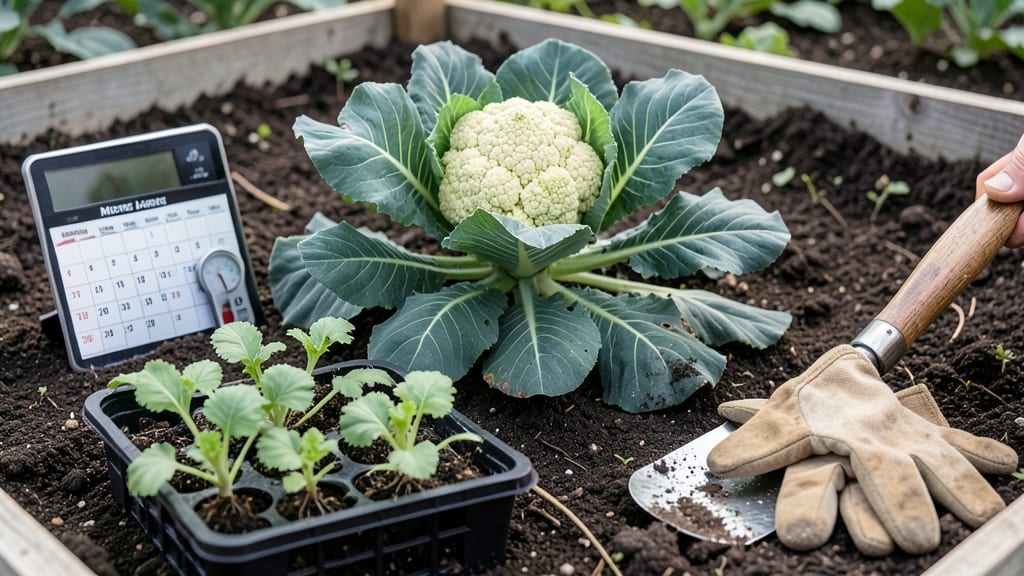
Timing your cauliflower 🥬 planting in Ohio isn’t just about the calendar—it’s about outsmarting the weather before it ruins your harvest. Plant too soon, and frost will turn your seedlings into sad, wilted memories; too late, and you’ll miss the sweet spot for those juicy, snow-white heads we all crave.
Here’s the secret: Ohio’s 6a zone gives you two clear windows—spring and fall—but getting the exact weeks right makes all the difference. Whether you’re direct-sowing seeds or transplanting starts, I’ll break down the precise timing to ensure your 🥬 thrives from seed to harvest, no guesswork needed.
Spring plantings need to happen 4–6 weeks before your last frost (that’s March 15–April 15 for most of Ohio), while fall crops should go in August 1–September 1 to mature before the first chill. Skip the trial-and-error—let’s lock in your schedule for a bumper crop.
Ready to grow cauliflower like a pro? I’ll walk you through the best varieties, frost tricks, and even how to stretch your season for bigger yields. No more wasted seeds—just a garden full of crisp, homegrown perfection.
Ohio’s exact cauliflower planting schedule by last frost date
Ohio’s last frost date typically falls around April 15, but this can vary by microclimate—northern regions like Toledo may see frost a week later, while southern Ohio (e.g., Cincinnati) might warm up earlier.
To maximize your cauliflower harvest, aim to plant 4–6 weeks before your area’s last frost. This means mid-March to mid-April for most of the state, with adjustments for early or late frosts.
For fall planting, Ohio’s first frost usually arrives around October 15. Plant August 1–September 1 to ensure heads mature before cold weather sets in. Fall cauliflower often tastes sweeter and is less prone to pests, making it a favorite among Ohio gardeners.
Here’s how to align your planting with Ohio’s frost dates, whether you’re direct sowing seeds or transplanting seedlings:
| Planting Method | Spring Planting Window | Fall Planting Window | Notes |
|---|---|---|---|
| Direct Sowing | Mid-April (4–6 weeks before last frost) | Late July–Early August (8–10 weeks before first frost) | Soil must be at least 40°F; use row covers for early sowing. |
| Transplanting Seedlings | Mid-March–Early April (start indoors 6–8 weeks before last frost) | Early August (transplant 4–6 weeks before first frost) | Hardens seedlings for frost resistance; avoid transplant shock. |
| Succession Planting | Every 2–3 weeks until May 1 | Every 3 weeks until August 20 | Staggered harvests prevent overproduction; ideal for continuous yields. |
If you’re in a cooler microclimate (e.g., Zone 5b in northern Ohio), start seeds indoors 8 weeks before your last frost and use cold frames to extend the season.
For warmer southern Ohio (e.g., Zone 6b), you can direct sow as early as late March if soil temperatures are stable.
For fall crops, prioritize heat-tolerant varieties like ‘Purple of Sicily’ to avoid bolting (premature flowering) in Ohio’s hot August temperatures. Plant in partial shade if your garden gets intense afternoon sun, as cauliflower heads can yellow or split in extreme heat.
Pro tip: Use a soil thermometer to confirm soil temps are at least 40°F before direct sowing. Cold soil slows germination and can stunt young plants. If temps drop unexpectedly, cover seedlings with frost cloth or straw mulch to protect them.
Ohio’s 165 frost-free days are tight for cauliflower, so fall planting is your best bet for a second harvest. Start seeds indoors in late June for late-summer transplants, ensuring heads mature before frost. This strategy often yields larger, sweeter cauliflower than spring plantings.
Remember: Consistency is key. Whether you’re planting in spring or fall, stick to the 4–6 week rule before frost dates. This timing ensures your cauliflower has enough time to bolt, form heads, and reach harvest before Ohio’s unpredictable weather cuts the season short.
How to extend Ohio’s cauliflower growing season for bigger harvests
Ohio’s short growing season can feel like a race against time for cauliflower lovers—but with the right strategies, you can push your harvest windows earlier and later. Frost protection and succession planting are your secret weapons. Let’s break down how to squeeze every last bite out of your garden.
Start by choosing heat-tolerant varieties like ‘Purple of Sicily’ or ‘Snowball Y Improved’—these can handle Ohio’s summer heat better than others. Pair them with row covers or cloches to shield seedlings from late spring frosts or early fall chills.
For early spring planting, use a cold frame or low tunnel to warm the soil and give seedlings a head start. Aim to plant 4–6 weeks before your last frost date (typically March 15–April 15), but only if soil temps are above 40°F.
- 📅 Plant succession crops every 2 weeks from April–June to stagger harvests.
- 🛡️ Use floating row covers to protect seedlings from light frosts (28–32°F).
- ☀️ Extend fall harvests by planting heat-tolerant varieties in August for October–November yields.
- 🌡️ Monitor soil temps with a soil thermometer—cauliflower roots need 55–65°F to thrive.
- 🌿 Mulch with straw or leaves to retain moisture and moderate soil temps.
Don’t overlook fall planting—August 1–September 1 is your last chance for a second harvest. Choose varieties with 70–90 days to maturity to ensure heads form before frost. If temps drop below 50°F, cover plants with lightweight row fabric at night.
For container gardening, use 5-gallon pots with heat-absorbing materials like black plastic liners. Move pots to shadier spots in peak summer to prevent bolting (premature flowering).
Finally, keep an eye on the Ohio Agricultural Research and Development Center’s frost forecasts—adjust your timeline if early frosts are predicted. With these tricks, you’ll turn Ohio’s short season into a year-round harvest!