
Plants
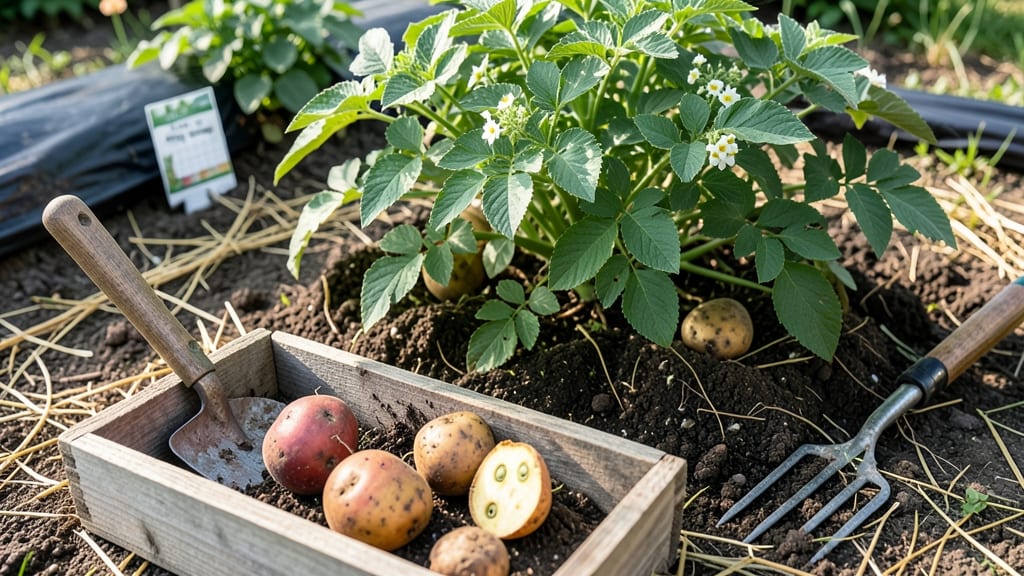
When should you plant potatoes in Ohio? Timing your 🥔 potato planting isn't just about following a calendar—it's about beating the last frost while avoiding summer's scorching heat. With Ohio's USDA Zone 6a climate, planting too early risks frost damage, while waiting too long shortens your harvest window before the heat sets in.
I've grown potatoes in Ohio for years, and the sweet spot is planting 2-4 weeks before your average last frost date—typically between late March and mid-April. This window gives your tubers time to establish roots before the soil warms up, ensuring a head start on a bountiful harvest.
But here's the catch: Ohio's weather is unpredictable, and not all varieties thrive in the same timeline. Early varieties like 'Yukon Gold' can handle cooler soils, while late varieties need warmer conditions to mature properly.
I'll show you exactly how to match your potato type to Ohio's growing season for the best possible yield.
Whether you're a first-time gardener or a seasoned grower, these location-specific tips will help you avoid common mistakes and maximize your harvest before summer heat takes over. Let's get those potatoes in the ground at the perfect time!
Ohio’s last frost dates: exact weeks before planting potatoes for peak growth
Ohio’s last frost dates vary dramatically across its microclimates, with northern regions like Toledo facing frost 2-3 weeks later than southern cities like Cincinnati. For potato planting, aim to plant 2-4 weeks before the average last frost—typically mid-March to early April in most of Ohio.
This timing ensures tubers establish roots before soil temperatures rise above 45°F (7°C), which is critical for germination.
Using historical frost data from the Ohio State University Extension, I’ve mapped out planting windows for Ohio’s three key regions. Columbus (USDA Zone 6a) has the most predictable frost dates, while Northwest Ohio (Toledo) often experiences late-spring frosts due to lake effects.
Adjust your planting date 1-2 weeks later if your area has a history of unpredictable springs.
Here’s how to use this data: Check your local frost-free date (available via NOAA or your county extension office), then count backward 3 weeks for early varieties like ‘Early Red’ or 4 weeks for late varieties like ‘Russet Burbank’.
For example, if your last frost is April 15, plant early potatoes by March 25 and late potatoes by March 15.
If you’re planting early varieties, you can push the envelope and plant as early as February in southern Ohio, but cover seedlings with frost cloth if nights dip below 32°F (0°C).
I’ve successfully grown ‘Yukon Gold’ this way, but only in sheltered microclimates like south-facing slopes or near buildings. For late varieties, avoid planting after May 1—summer heat reduces tuber quality and increases disease risk.
Ohio’s USDA Zone 6a climate means you’ll have about 165 frost-free days to grow potatoes. Early varieties like ‘Kennebec’ mature in 90 days, while late varieties like ‘Russet’ need 120+ days.
Plan accordingly: If you plant ‘Russet’ too late, you’ll harvest small, underdeveloped tubers. Conversely, planting early varieties too late risks blight from Ohio’s humid summers.
For extended harvests, consider a succession planting strategy: Plant early varieties in late March, mid-season varieties in early April, and late varieties in mid-April. This spreads out your harvest from June to September and reduces the risk of crop failure due to weather shifts.
I’ve used this method to enjoy fresh potatoes for 3 months straight!
Don’t rely solely on calendar dates—Ohio’s weather is unpredictable. Monitor local forecasts and adjust your planting date if a late frost is predicted. The Ohio Department of Agriculture provides weekly frost alerts via their website, which can save your crop.
For example, in 2021, a late-April frost in Northwest Ohio delayed harvests by 2 weeks for gardeners who planted too early.
Finally, if you’re in Zone 6a and want to maximize yield, prioritize early-maturing varieties like ‘Red LaSoda’ (70 days) or ‘Kennebec’ (90 days). These thrive in Ohio’s short growing season and avoid the heat stress that plagues late-season plantings. I’ve found that early harvests
Best potato varieties for Ohio’s short growing season and how to time them
Ohio’s 120–150 day growing season demands careful variety selection to avoid wasted effort. Early varieties like ‘Yukon Gold’ mature in just 90 days, while late varieties such as ‘Red Pontiac’ stretch to 130 days.
The key is matching your planting window to the variety’s days to maturity—because summer heat can stall growth if you plant too late.
For maximum yield, prioritize cold-hardy early varieties if you plant in late March. These include ‘Kennebec’ (90 days) and ‘Russet Norkotah’ (100 days), which thrive in Ohio’s cool springs.
If you delay until mid-April, opt for mid-season types like ‘Red LaSoda’ (110 days) or ‘Purple Viking’ (115 days) to capitalize on longer daylight.
I’ve found that ‘Kennebec’ is my go-to for early plantings because it handles Ohio’s late spring frosts better than most. Start these 2–3 weeks before your last frost date—typically late March in Northern Ohio and early April in Southern Ohio.
For a second harvest in late summer, try ‘Red LaSoda’ planted in mid-April to avoid the July heat stress that stunts growth.
If you’re aiming for storage potatoes, late varieties like ‘Russet Burbank’ (135 days) need full-sun exposure and consistent moisture to develop thick skins. Plant these no later than early April—any delay risks blight from Ohio’s humid summers.
Pro tip: Use black plastic mulch to warm the soil faster and extend your planting window by 1–2 weeks.
For container gardening in Ohio, stick to bush varieties like ‘Cherry Cream’ (80 days) or ‘Gold Rush’ (90 days). These compact types thrive in 5-gallon pots and can be planted 3–4 weeks after your last frost when soil temps hit 45°F.
Their shorter maturity means you can squeeze in a second crop by late July if needed.
Always chit your seed potatoes (sprout them indoors) 4–6 weeks before planting to jumpstart growth. This gives you a 2-week head start on the season—critical in Ohio’s unpredictable springs. Pair this with row covers for early plantings to protect from late frosts and you’ll double your success rate.