
Companion Plants
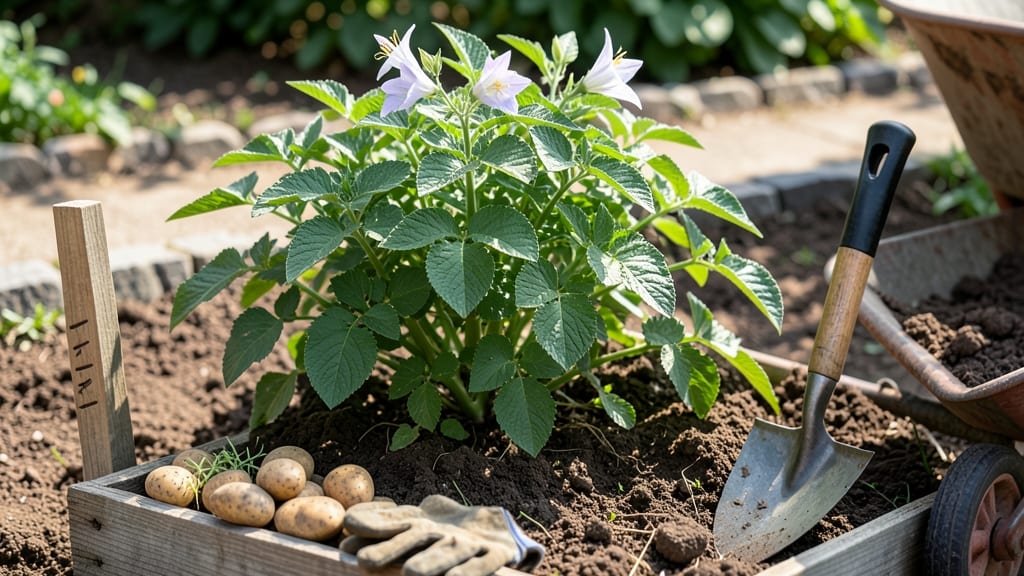
Timing your 🥔 potato planting in Ohio isn’t just about throwing seed potatoes into the ground—it’s the difference between a bountiful harvest and a sad, frost-nipped disappointment.
With Ohio’s 6a zone and unpredictable spring weather, knowing the exact weeks before last frost (around April 15) can mean the difference between thriving tubers and wasted effort.
Most gardeners in Ohio swear by planting 4-6 weeks before the last frost, but there’s a trick to it: soil temperature matters just as much as calendar dates. If you plant too early and the ground stays cold, your potatoes will rot before they even sprout.
But get it right, and you’ll be digging up golden Yukon Golds by late summer.
Here’s the game-changer: whether you’re a first-timer or a seasoned grower, I’ll break down the perfect planting windows for Ohio’s climate, plus how to adjust for late frosts or early heatwaves. Spoiler alert—late summer plantings can still yield a fall harvest if you time it correctly.
Ready to stop guessing and start growing? Let’s dive into the step-by-step schedule that’ll have your potatoes thriving, no matter what Ohio throws at you this spring.
Ohio potato planting timeline: exact weeks before last frost by region
Ohio’s diverse climate zones mean your potato planting window varies by 2-4 weeks depending on location. Most of Ohio falls in USDA Zones 5-7, with last frost dates ranging from April 15 in southern regions to May 1 in northern areas like Toledo or Cleveland.
For maximum yield, aim to plant 4-6 weeks before your area’s last frost date—typically between late March and mid-April.
Northern Ohio (Zones 5-6) has the latest frosts, often May 1-10, so start seed potatoes indoors in early March or plant outdoors after April 15. Southern Ohio (Zones 6-7) can plant as early as mid-March for a jumpstart.
Use these exact planting windows to avoid frost damage while ensuring tubers develop properly before summer heat.
Pro Tip: Check your local frost dates using the Old Farmer’s Almanac or your county extension office. Planting too early risks frost-killed sprouts, while waiting too long shortens the growing season.
For early varieties like Red Pontiac or Yukon Gold, you can plant as soon as soil reaches 45°F (use a soil thermometer to check).
These varieties mature in 60-75 days, making them ideal for Ohio’s shorter growing seasons. Late varieties like Kennebec or Russet Burbank need 90 days and should be planted by mid-May for a fall harvest.
Ohio’s unpredictable spring weather can throw off even the best-laid plans. If a late frost hits after planting, cover seedlings with frost blankets or row covers to protect tender shoots. Alternatively, delay planting until soil warms consistently—wait until nighttime temps stay above 50°F for 5-7 days.
Don’t overlook fall planting for a second harvest! In southern Ohio, plant seed potatoes in late July or early August for a harvest in October or November.
This works best with early-maturing varieties like New Potatoes or Adirondack Blue, which can complete their life cycle before the first frost.
To maximize your potato yield in Ohio, choose a sunny, well-drained spot with 6+ hours of sunlight daily. Amend heavy clay soil with compost or sand to improve drainage—potatoes rot in waterlogged soil. Space rows 3 feet apart to allow for hill-building as plants grow.
Once planted, maintain consistent moisture (1-2 inches per week) and mulch with straw to retain soil warmth and suppress weeds. Avoid overwatering, which can lead to blight or scab, two common Ohio potato diseases. Rotate crops yearly to prevent soil-borne pathogens from building up.
With these region-specific planting windows and pro tips, you’ll avoid the guesswork and grow bountiful, disease-resistant potatoes tailored to Ohio’s climate. Happy planting! 🥔
How to adjust planting for Ohio’s unpredictable weather patterns
Ohio’s spring weather can swing from frost to 70°F in a single week, making potato planting a delicate balance. To avoid losing your crop, I focus on soil temperature and frost forecasts—not just calendar dates.
Potatoes thrive when soil reaches 45°F+, signaling it’s safe to plant even if air temps dip. Use a soil thermometer to confirm readiness, especially in northern Ohio where frosts linger longer.
For extra protection, I plant cold-hardy varieties like Yukon Gold or Kennebec 2–4 weeks before the last frost date. These varieties tolerate light frosts better than delicate Red Pontiac. If a late frost hits, cover seedlings with frost cloth or a lightweight row cover until temperatures stabilize.
This buys you critical time for roots to establish before summer heat arrives.
🚨 CRITICAL: Never plant too early—cold, wet soil leads to rot. If your region’s frost date is April 15 (common in southern Ohio), aim for early March planting. In colder northern zones (like USDA Zone 5b), wait until mid-April when soil warms consistently.
Use the National Weather Service’s frost predictions or local Cooperative Extension offices for real-time updates.
If frost strikes after planting:
- Cover seedlings with frost cloth or old blankets.
- Remove covers by 10 AM to prevent overheating.
- Monitor soil moisture—water gently if soil dries.
For a second harvest, I also plant a late-summer crop in July (after the June solstice). This works because Ohio’s first frost typically arrives in mid-October, leaving 120 days for tubers to mature.
Choose early-maturing varieties like Red Norland (60–70 days) to ensure harvest before winter sets in. Mulch heavily with straw to insulate soil and extend the growing season.
Pro tip: Use black plastic mulch to warm soil faster in spring. Lay it down 2–3 weeks before planting to create a microclimate that speeds up germination. Just
Finally, keep a