
Companion Plants
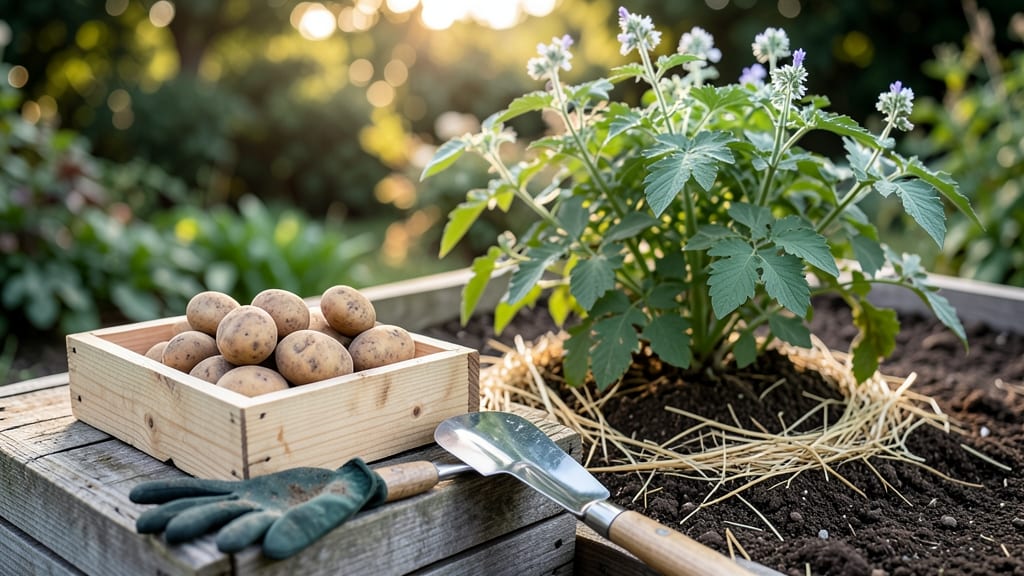
If you’ve ever stared at your garden calendar wondering when to plant potatoes in Ohio, you’re not alone—getting the timing right can mean the difference between a bumper crop and wasted effort.
Ohio’s 6a climate zone brings its own challenges, from unpredictable spring frosts to soil that stays stubbornly cold. But with the right approach—like planting when soil hits 45°F and avoiding late blight risks—you can turn those 🥔 into a garden highlight.
I’ll break down the exact windows for both early and late planting, plus how to test your soil for foolproof germination. Whether you’re a first-timer or a seasoned gardener, these tips will help you time it just right.
Ready to dig in? Let’s make sure your potatoes get off to the best possible start—no more guessing, just growing.
Ohio potato planting calendar: exact dates by region (2024)
Ohio’s diverse climate zones mean your potato planting window can vary by hundreds of days depending on where you live. While northern Ohio might still have frost threats in May, southern Ohio could be ready to plant by early April.
To avoid late blight risks and ensure optimal germination, timing is everything.
Most Ohio gardeners aim to plant seed potatoes 2-4 weeks before the last frost date, but soil temperature (not air temperature) is the real game-changer. Potatoes need consistent soil temps of 45°F+ to sprout reliably.
In Zone 6a, this typically lands between mid-March and late April, but regional differences matter.
Here’s your Ohio-specific planting calendar for 2024, broken down by region. Use these dates as your starting point, then adjust based on soil warmth and weather forecasts.
Pro tip: If your soil is still below 45°F by your region’s ideal window, plant in containers or use row covers to create a warmer microclimate. This is especially useful for early varieties like Yukon Gold or Red LaSoda, which sprout faster in warmer conditions.
For second harvests, Ohio gardeners often plant a late crop in late May or early June using longer-season varieties like Kennebec. These mature just in time for fall harvests before frost. Just beware—late planting increases blight risks, so choose disease-resistant varieties if extending your season.
Always check the Ohio State University Extension or your local agricultural station for real-time frost alerts. A sudden cold snap can kill young sprouts, so stay flexible with your planting dates. Patience pays off—waiting for the right conditions ensures healthier tubers and higher yields.
🌱
How to test soil temperature for perfect potato germination
Ohio’s spring soil can be a puzzle—one day warm enough for planting, the next still icy. Potatoes need soil temperatures of at least 45°F to germinate properly. If you plant too early, your seed potatoes will rot instead of sprout, wasting your effort and budget.
The key to success? Testing your soil temperature before planting.
I’ve learned the hard way that guessing isn’t enough. A soil thermometer (just $10 at garden centers) becomes your best friend. Stick it 4 inches deep—this is where your potatoes will sit—and check it in the morning. If it’s below 45°F, wait. If it’s consistently above 50°F, you’re golden.
Here’s my step-by-step soil test method for Ohio gardeners:
- Test soil 3 mornings in a row (soil warms up during the day).
- Plant when temps hit 45°F+ for 3 days straight.
- If temps drop below 40°F at night, cover rows with straw to protect sprouts.
⚠️ Ohio Late-Spring Warning
If your soil stays below 50°F past mid-April, try these fixes:
- Black plastic mulch warms soil by 5-10°F
- Straw mulch insulates and retains warmth
- Plant in raised beds—they warm faster than ground
🌱 Pro Tip: Early varieties like Yukon Gold tolerate cooler soil better than Red Pontiac.
Don’t skip the depth check either. Plant potatoes 4 inches deep—any shallower and they’ll bake in the sun. Use a ruler to mark your rows before planting. If your soil feels damp but cold, mix in compost or aged manure to speed up warming.
One year, my Northwest Ohio garden stayed chilly until May. I used black plastic mulch and planted early varieties under row covers, still getting a harvest by July. The lesson? Adjust your timing based on your microclimate—not just the statewide average.
For extra insurance, I set up a mini greenhouse (even a clear plastic bin with a light) for sprouting seed potatoes indoors 2 weeks before the last frost. This gives them a head start, so they’re ready to hit the ground running when soil temps finally cooperate.
Remember: Cold soil + warm air = rot. That’s why I always test before planting. Your potatoes will thank you with vigorous growth and a bountiful harvest—no more soggy, moldy seed potatoes! 🌱