
Plants
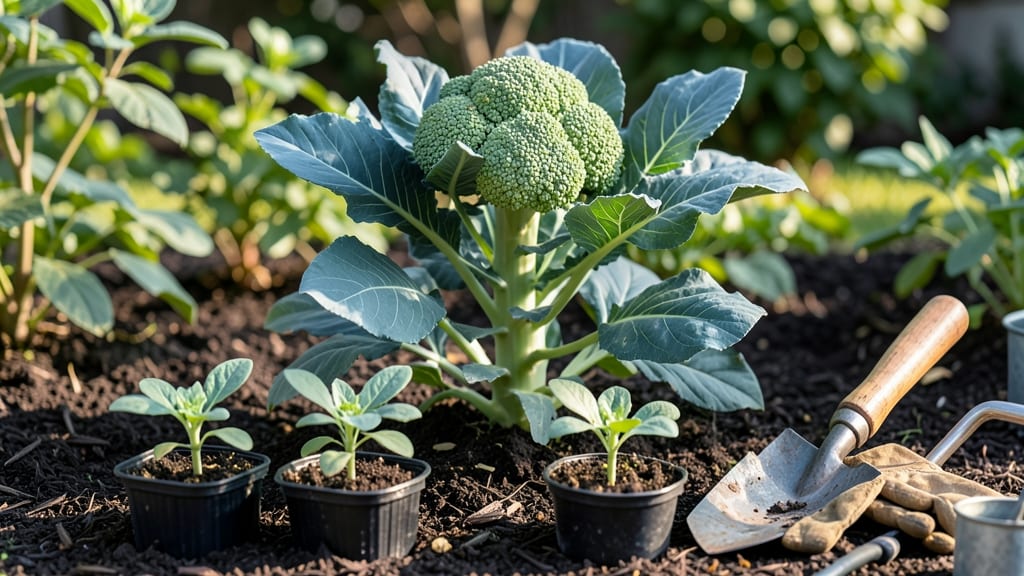
Planting broccoli in Zone 9 at the wrong time can turn your garden into a bitter disappointment—literally. This cool-season crop 🥦 bolts faster than you can say "summer heat," leaving you with tough, woody stems instead of tender florets you’ll actually enjoy.
Here’s the secret: timing is everything. While Zone 9’s mild winters make broccoli a year-round possibility, the key is planting between October and February—when temperatures stay comfortably cool. Skip the spring rush, and you’ll avoid the dreaded bolting that ruins harvests.
I’ve grown broccoli in Zone 9 for years, and I’ll show you exactly how to nail the planting window, prep your soil, and even extend your harvest season with shade and mulch tricks. No more guesswork—just sweet, homegrown 🥦 all winter long.
Whether you’re a first-time gardener or a seasoned pro, these tips will help you grow broccoli that’s faster, easier, and more efficient than ever. Let’s get your garden on the right track before the heat arrives.

Optimal planting windows for broccoli in Zone 9 (avoiding heat stress)
Zone 9’s mild winters and hot summers make broccoli planting a delicate timing game. Unlike cooler zones, you’ll skip spring planting entirely—focus instead on fall and winter windows when temperatures hover between 50°F and 75°F.
This cool-season crop bolts (goes to seed prematurely) when stressed by heat, so your goal is to give it a 60-80 day growing window before summer arrives.
For coastal Zone 9 areas (like San Diego or Santa Barbara), you’ve got a slight edge—cooler ocean breezes extend your planting window. Inland areas (e.g., Phoenix or Las Vegas) face more heat stress, so you’ll need to plant earlier in fall and use shade strategies.
Let’s break down the exact months and microclimate adjustments to maximize your harvest.
| Planting Window | Ideal Soil Temp (°F) | Days to Harvest | Best Varieties | Notes |
|---|---|---|---|---|
| Late August - Early September | 60-70°F | 60-70 days | 'Belstar', 'Waltham 29' | Early fall escape heat; harvest by December |
| October - November | 55-65°F | 50-60 days | 'Calabrese', 'Green Magic' | Peak window; harvest January-March |
| January - February | 50-60°F | 70-80 days | 'De Cicco', 'Packman' | Late winter; harvest April-May (risk of heat) |
| March (Coastal Only) | 55-65°F | 60 days | 'Green Goliath' | High risk; use shade cloth immediately |
Your local microclimate dictates success. Coastal gardeners can push broccoli into early March with shade protection, while inland growers should stop by mid-February. Use a soil thermometer—broccoli roots thrive in 50-65°F soil.
If your soil runs warmer (common in desert Zone 9), plant shallow transplants or use black plastic mulch to cool roots.
For heat-tolerant varieties, 'Belstar' and 'Waltham 29' handle slightly warmer soils better than standard types. Pair them with drip irrigation to avoid wetting leaves (which invites disease). Remember: broccoli planted in January or February risks bolting by April—so have your shade cloth ready by March 15th.
Pro tip: Start seeds indoors 4-6 weeks before outdoor planting to give seedlings a head start. Use seed trays with bottom heat (70°F) to ensure strong transplants. Harden off seedlings for 7-10 days before moving them to the garden—this toughens them against Zone 9’s temperature swings.
If you’re in a high-desert area (e.g., Tucson or Palm Springs), aim for October 1st planting—this gives you a December-January harvest before summer heat peaks. In contrast, coastal areas can stretch harvests into April with shade and consistent watering.
Always check your last frost date (even if rare in Zone 9), as unexpected cold snaps can damage young plants.
Soil prep is non-negotiable. Amend your garden beds with 2-3 inches of compost and a balanced fertilizer (5-10-10) before planting. Broccoli is a heavy feeder, so don’t skip this step—poor soil leads to small heads and early bolting.
Test your soil’s pH too; broccoli prefers 6.0-7.0. If your soil is too alkaline, add sulfur or peat moss to adjust.
Finally, plan for succession planting. Instead of one big batch, sow small batches every 2-3 weeks from October through January. This ensures a
Optimal planting windows for broccoli in Zone 9 (avoiding heat stress)
In Zone 9, broccoli's cool-season needs clash with our mild winters and warm springs. The key is planting when soil temps stay below 75°F—typically October through February—to prevent bolting (premature flowering). Coastal areas can extend this window slightly due to cooler microclimates.
Start seeds 6-8 weeks before your target transplant date (use October 15 as a benchmark). For direct sowing, aim for September 15-October 15 to catch the coolest months before spring heat arrives. Heat-tolerant varieties like 'Belstar' or 'Waltham 29' can handle brief warm spells better than standard types.
| Planting Window | Soil Temp | Zone 9 Microclimate | Harvest Window |
|---|---|---|---|
| September 15-October 15 | 60-70°F | Coastal (milder) | December-April |
| October 1-November 15 | 55-65°F | Inland (cooler) | January-March |
| January-February | 50-60°F | All microclimates | March-May |
For spring planting, try late February in shaded areas, but expect slower growth. Always test soil pH (aim for 6.0-7.0) and amend with compost to improve moisture retention—critical in Zone 9's dry spells. Use a soil thermometer to confirm temps before transplanting seedlings.
Pro tip: Plant successive crops every 2-3 weeks from October through January. This staggered approach ensures continuous harvests while avoiding the late-spring heat that triggers bolting. Save seeds from your healthiest heads for next season's fall plantings!
Remember, Zone 9's long growing season is a double-edged sword—it gives you more planting windows but also more opportunities for heat stress. Choose shady spots or use row covers to protect young plants during unexpected warm snaps. With the right timing, you'll enjoy homegrown broccoli year-round! 🥦