Plants
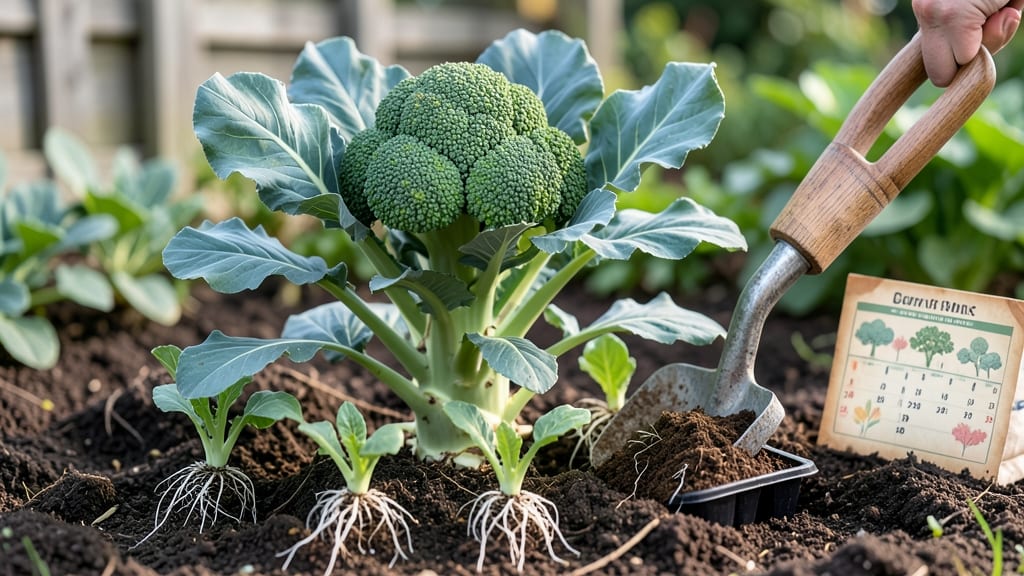
Timing your broccoli 🥦 planting in New Jersey isn’t just about following a calendar—it’s about outsmarting the state’s unpredictable frost and summer heat.
Plant too early, and a late freeze will wipe out your crop; too late, and sweltering temperatures will send your plants bolting before you get a single harvest.
I’ve grown broccoli in NJ’s 6a-7b zones for years, and the difference between a thriving garden and a failed experiment often comes down to county-specific planting windows.
Whether you’re in coastal Atlantic County or inland Sussex, knowing when to put those seeds in the ground can mean the difference between a bountiful harvest and a sad, wilted disappointment.
Here’s the game-changer: the best times to plant broccoli in NJ are early spring (March-April) and late summer (August-September), but the exact dates shift depending on where you live.
I’ll break down the frost-free strategies that work for your specific corner of the Garden State—so you can finally grow broccoli that’s big, healthy, and ready to harvest by late spring or fall.
Ready to stop guessing and start growing? Let’s dive into the exact planting schedule that’ll have your broccoli thriving—no matter which NJ county you’re in.
NJ county-specific broccoli planting dates to avoid frost damage
New Jersey’s diverse climate—from coastal Atlantic City to inland Sussex County—means broccoli planting dates vary dramatically. Coastal areas like Cape May enjoy earlier last-frost dates (mid-March), while northern zones like Sussex face frost until late April or May.
To maximize your harvest, align planting with your county’s microclimate and USDA zones 6a-7b.
For a spring harvest, aim to plant 4-6 weeks before your last frost date. In fall, seed 90-100 days before the first frost (typically mid-October). Below, I’ve broken down the ideal windows by region, so you can avoid frost damage and bolting from summer heat.
🌱 Pro Tip: Use frost cloth if planting early in colder zones. It adds 2-4°F protection and extends your window by 1-2 weeks.
If you’re in coastal NJ, you can push spring planting to late February under frost cloth. But inland? Wait until mid-April to avoid frost damage. For fall crops, prioritize late August seeding—any later, and your broccoli may bolt before harvest.
For northern NJ, consider heat-tolerant varieties like ‘De Cicco’ or ‘Waltham 29’. They handle summer heat better than standard types. Pair them with succession planting every 2 weeks for continuous harvests.
💡 Key Insight: Atlantic City gardeners can plant 6 weeks earlier than Sussex County growers. Adjust your schedule to match your local frost data—check the NJ State Climatologist for yearly updates.
After planting, mulch heavily (3-4 inches of straw) to insulate roots and retain moisture. This is especially critical in dry summers, where bolting is a major risk. In fall, use row covers to extend harvest into November.
🌿 Varieties to Try:
- ‘Calabrese’ (classic, cold-hardy)
- ‘Packman’ (compact, great for containers)
- ‘Green Magic’ (heat-tolerant, fast-growing)
Remember: Broccoli thrives in
How to extend broccoli’s growing season in NJ’s hot summers
New Jersey’s summers can turn your broccoli plants into heat-stressed bolting disasters if you’re not careful. The key to success? Strategic planning and season-extending tricks that keep your plants cool and happy until harvest. Let’s break down the best methods to protect your crop from summer’s harsh conditions.
First, choose heat-tolerant varieties like ‘Waltham 29’ or ‘Calabrese’, which handle NJ’s 85°F+ temperatures better than standard types. Pair these with succession planting—sow seeds every 2-3 weeks from late spring through early July to stagger harvests and avoid overwhelming heat at once.
🌱 Numbered Highlights: Summer-Proof Your Broccoli Patch
- 1. Shade Cloth Magic: Use 30-50% shade cloth during peak sun (11 AM–3 PM) to drop leaf temps by 10-15°F. Secure it 3 feet above plants to avoid trapping heat.
- 2. Mulch Like a Pro: Apply 3-4 inches of straw mulch to retain moisture and block soil heat. Replenish every 4-6 weeks as it breaks down.
- 3. Deep Watering Schedule: Water early morning (6-8 AM) for 1-2 inches per week. Use drip irrigation to keep leaves dry and prevent fungal diseases like downy mildew.
- 4. Soil Moisture Hacks: Test soil moisture daily—stick your finger 1 inch deep. If dry, water immediately. Clay soils? Add compost to improve drainage and water retention.
- 5. Companion Plants: Interplant with radishes or bush beans to shade roots and repel pests like cabbage worms. Avoid planting near tomatoes or strawberries, which compete for nutrients.
- 6. Harvest Strategically: Pick side shoots (smaller heads that form after main harvest) to encourage prolonged production. Never let heads yellow or flower—this signals bolting.
Don’t overlook the power of microclimates. Coastal areas like Cape May stay cooler longer, while inland spots like Hunterdon County can hit 95°F+ by July. If your garden is in a heat sink (like a paved driveway’s shadow), plant broccoli near trees or fences for natural shade.
For container growers, opt for black fabric pots (they absorb heat) and place them in partial shade. Elevate pots on brick or cinder blocks to improve airflow and reduce root zone heat. Self-watering containers are a game-changer—they deliver consistent moisture without risking overwatering.
Finally, monitor your plants for heat stress signs: yellowing leaves, stunted growth, or premature flowering. If you see these, prune lower leaves to improve airflow and reduce shade cloth coverage to 30% immediately.
With these tricks, you’ll beat the heat and enjoy homegrown broccoli well into October!