
Plants
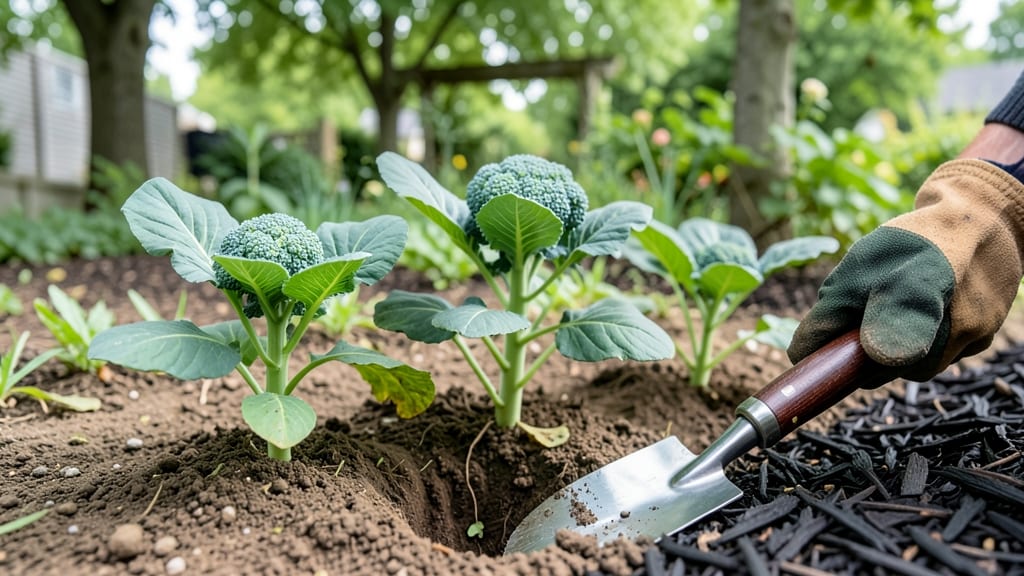
Timing is everything when planting broccoli in Indiana—get it wrong, and you’ll either lose seedlings to late frosts or watch your crop bolt before summer’s heat. The perfect window is narrow but doable, especially in Zone 6a, where frost can sneak in until mid-April or linger into October.
You’ve got two chances to succeed: early spring (March–April) or early fall (August–September), each with its own tricks to beat Indiana’s unpredictable weather.
Whether you’re a first-timer or a seasoned gardener, knowing the exact dates—and how to adjust for your microclimate—makes the difference between a bountiful harvest and a sad, wilted 🥦.
I’ve tested these strategies in my own Indiana garden, and the results speak for themselves. From soil prep to frost-proofing seedlings, I’ll walk you through the step-by-step plan that’s worked for me year after year. No more guessing—just reliable, foolproof timing for your broccoli.
Ready to grow healthier, bigger broccoli heads with less stress? Let’s dive into the exact dates and proven methods that’ll have your garden thriving—no matter what Indiana throws your way.
Indiana broccoli planting dates by region (2024 frost data)
Indiana's three distinct climate zones—Northern, Central, and Southern—each have unique last frost dates that determine your broccoli planting windows. Getting these timings right is critical because broccoli seedlings are extremely frost-sensitive and won't survive temperatures below 25°F.
Let's break down the exact planting dates for each region based on 2024 historical frost data.
For Northern Indiana (USDA Zone 5b-6a), the average last frost date falls around April 20-25. This means you should start your spring broccoli indoors 4-6 weeks before this date—typically in mid-to-late March. For direct sowing, wait until April 10-15 when soil temperatures reach 40°F.
In Central Indiana (USDA Zone 6a), the last frost date shifts slightly earlier to April 10-15. Begin indoor seedlings in early-to-mid March and transition to outdoor planting by April 1-5. This zone offers a 1-2 week advantage for getting an earlier harvest.
Southern Indiana (USDA Zone 6b-7a) enjoys the mildest climate, with last frosts around April 5-10. Start indoor seedlings in late February and move to outdoor planting by March 25-April 1. This extended growing season allows for two full harvests per year—spring and fall.
| Region | USDA Zone | Last Frost Date | Indoor Start (Seedlings) | Outdoor Planting Window | Fall Planting Window |
|---|---|---|---|---|---|
| Northern Indiana | 5b-6a | April 20-25 | Mid-to-late March | April 10-15 | August 15-Sept 1 |
| Central Indiana | 6a | April 10-15 | Early-to-mid March | April 1-5 | August 1-15 |
| Southern Indiana | 6b-7a | April 5-10 | Late February | March 25-April 1 | July 31-August 15 |
For fall broccoli, timing is equally critical. Plant 60-70 days before your average first frost date (typically October 15). In Northern Indiana, aim for August 15-September 1, while Southern Indiana can extend planting until August 15 for a late harvest.
Remember, these are average dates. Always check your local Indiana State Climate Office or Purdue Extension for weekly frost updates in spring. A sudden late frost can wipe out young seedlings in minutes, so stay vigilant with row covers if needed.
Pro tip: Use transplanting trays to start seeds indoors under grow lights (12-14 hours/day). This gives your broccoli a 3-4 week head start over direct sowing and increases your chances of avoiding frost damage.
For container gardening in Indiana, choose compact varieties like 'Little Sprint' and plant in 5-gallon pots with well-draining soil. Containers warm up faster in spring, allowing you to plant 1-2 weeks earlier than in-ground plantings.
Finally, always test your soil pH (ideal: 6.0-7.0) before planting. Indiana's clay-heavy soils often need compost or peat moss to improve drainage and fertility. Amend your beds in early spring to give broccoli the nutrient boost it needs for strong head formation.
How to adjust broccoli planting for Indiana’s unpredictable weather
Indiana’s spring frost dates can shift dramatically from year to year, leaving gardeners like me scrambling to protect tender broccoli seedlings. The key to success? Flexible planting strategies that account for late frosts, sudden heat waves, and regional microclimates.
I’ve learned that staggered planting and protective measures can extend your harvest window by 4-6 weeks—even in unpredictable years.
Start by planting successive batches every 2 weeks from mid-March through early April for spring crops. This ensures you’ll have continuous harvests even if Mother Nature throws a curveball.
For fall planting, begin in late July or early August, giving plants time to mature before the first frost hits around mid-October. Remember, broccoli needs 70-90 days to reach harvest, so timing is everything!
Another trick I swear by is container gardening for broccoli. Pots give you the flexibility to move plants indoors during unexpected cold snaps or under shade cloth during heatwaves. Just ensure containers have drainage holes and use a lightweight potting mix to prevent root rot.
I’ve had success with 5-gallon buckets planted with just one broccoli plant per container.
For gardeners in Northern Indiana (Zones 5-6), I recommend starting seeds indoors in early March and transplanting outdoors after the last frost. In Southern Indiana (Zone 7), you can push the envelope by planting directly outdoors in late February under protective covers.
The key is to adjust based on your specific microclimate—a sheltered spot may frost 2 weeks later than an exposed one.
Don’t forget about soil temperature—broccoli seeds won’t germinate well below 40°F. Use a soil thermometer to check before planting. If temperatures are too cool, try seedling heat mats or wait a few days.
I’ve also had luck with straw mulch around seedlings to moderate soil temps and retain moisture during dry spells.
Finally, keep an eye on your broccoli’s growth stage. If plants start flowering too early (a sign of heat stress), harvest the side shoots for smaller, edible florets. This gives you a second chance at a harvest even if the main head bolts.
With these adjustments, you can beat Indiana’s weather and enjoy homegrown broccoli from May through October!