
Plants
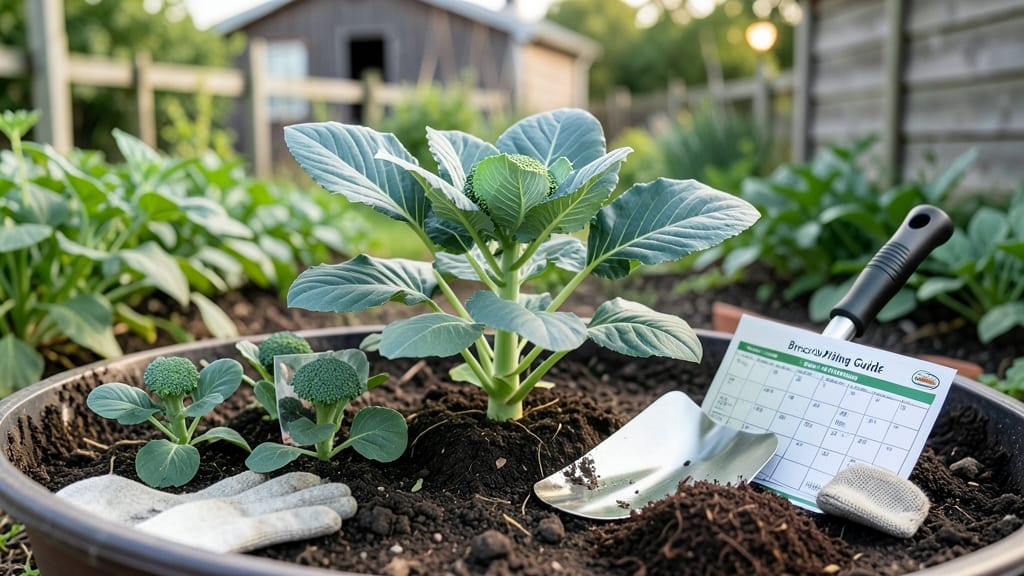
Timing your 🥦 broccoli planting in Connecticut can make or break your harvest—get it wrong, and you might end up with bitter heads or wasted effort. The key lies in those critical weeks before the last frost, when soil temperatures and daylight align perfectly for strong starts.
Connecticut’s Zone 6a climate gives you two prime windows: early spring (March–April) and early fall (August–September). But here’s the catch—planting too early risks frost damage, while waiting too long cuts your harvest short.
I’ll break down the exact timing, soil prep tricks, and how to adjust for Connecticut’s unpredictable weather patterns.
Whether you’re a first-time gardener or a seasoned grower, these insights will help you avoid common mistakes like overcrowding or poor soil prep. Plus, I’ll share how to stretch your season with row covers and cold-hardy varieties—so you can enjoy homegrown 🥦 broccoli from June through November.
Ready to turn your garden into a high-yield broccoli patch? Let’s dive into the step-by-step schedule that works for Connecticut’s climate—and why waiting until the last minute (or planting too soon) might leave you with empty space where heads should be.
CT broccoli planting schedule: exact weeks before last frost for spring & fall
Connecticut’s USDA Zone 6a climate means broccoli thrives in both spring and fall plantings—but timing is everything. The last average frost date in CT is April 15, while the first frost typically arrives October 15.
To maximize your harvest, aim to plant broccoli 4-6 weeks before last frost for spring or 8-10 weeks before first frost for fall. This ensures mature heads before cold snaps hit.
For spring plantings, start seeds indoors 6-8 weeks before last frost (around March 1-15) or sow directly outdoors 2-4 weeks before last frost (early April). For fall plantings, direct sow seeds August 1-15 for a late-October harvest.
Transplants can go in slightly later, up to September 1, but expect smaller heads if planted too close to frost.
Here’s the key rule for CT gardeners: Broccoli needs 70-90 days to mature. Plant too early, and you’ll waste space; too late, and frost ruins your crop. Use succession planting every 2 weeks in spring and 3 weeks in fall to stretch your harvest window.
This works especially well for fast-maturing varieties like 'Waltham 29' (60 days) or 'Calabrese' (70 days).
🌱
📅 CT Broccoli Planting Timeline
| Planting Window | Action | Weeks Before Frost | Notes |
|---|---|---|---|
| Spring | Start Indoors | 6-8 | March 1-15 for April transplant |
| Spring | Direct Sow Outdoors | 2-4 | Early April for June harvest |
| Fall | Direct Sow Seeds | 8-10 | August 1-15 for Oct harvest |
| Fall | Transplant Seedlings | 6-8 | Up to Sept 1 for smaller heads |
💡 Pro Tip: Check CT’s frost-free date calculator (UConn Extension) for your exact microclimate—coastal areas like New London can be 1-2 weeks later than inland Hartford.
If you’re using transplants (not seeds), buy 6-week-old seedlings from a local nursery in early spring (March) or late summer (August). Harden them off for 5-7 days before planting to avoid transplant shock.
For direct sowing, plant seeds ½ inch deep and 1-2 inches apart12-18 inches apart at maturity. This spacing prevents disease and ensures each plant gets enough sunlight.
Don’t forget to test your soil pH before planting—CT’s native soils are often acidic (pH 5.0-6.0), but broccoli prefers 6.0-7.0. Amend with lime if needed, and mix in 2-3 inches of compost to improve drainage. Well-draining soil is critical, especially in CT’s clay-heavy areas like Fairfield County.
For fall plantings, prioritize frost-tolerant varieties like 'De Cicco' (45 days to maturity) or 'Belstar' (65 days). These can handle light frosts (28°F) and even produce sweeter heads after a frost.
If you’re pushing the season, use row covers to extend harvests into November—just remove them during the day to prevent overheating.
🌿
One common mistake CT gardeners make is planting fall broccoli too late. If you miss the August 15 deadline, heads won’t mature before frost. To avoid this, mark your calendar and set reminders for spring (March 1) and fall (August 1) planting windows.
For extra insurance, keep a planting journal to track your frost dates and adjust future years accordingly.
Finally, remember that microclimates matter in CT. Gardens in sheltered valleys
Connecticut’s short growing season doesn’t have to limit your broccoli harvest. With the right techniques, you can push your plants to produce later into fall or start earlier in spring. Row covers and cold frames are game-changers for extending your season by 3-4 weeks on either end. These tools create microclimates that protect tender broccoli from light frosts (down to 25°F) while still allowing sunlight to reach the plants. For spring planting, use row covers to harden off seedlings earlier. Remove them during the day for pollination but replace them at night to shield from late frosts. In fall, cold frames can keep your broccoli producing well into November, even when temperatures dip. Just ensure proper ventilation to prevent overheating during sunny days. Another smart strategy is succession planting. Instead of one big batch, sow broccoli seeds every 2-3 weeks from early spring through mid-summer. This staggered approach ensures a continuous harvest and reduces the risk of losing your entire crop to unexpected frost. Pair this with frost-tolerant varieties like 'Waltham 29' or 'Calabrese', which handle CT’s chilly nights better than standard types. Don’t overlook soil preparation when extending your season. Amend your beds with compost and a balanced fertilizer (like 10-10-10) before planting. CT’s soils can be acidic, so aim for a pH of 6.0-7.0—broccoli thrives in slightly acidic to neutral conditions. Add a 2-inch layer of mulch (straw or shredded leaves) to retain moisture and regulate soil temperature, which is especially helpful during unpredictable CT springs and falls. Finally, keep an eye on the weather forecast and be ready to act. If a hard frost (below 25°F) is predicted, cover your plants with frost cloth or even old blankets. For late-season harvests, prioritize 'Calabrese' varieties—they’re more cold-hardy and produce larger heads even in cooler weather. With these techniques, you’ll turn CT’s short season into a year-round broccoli bonanza. 🌱How to extend Connecticut’s broccoli growing season with smart techniques
🌱 Extending Your Broccoli Season: Pros & Cons