
Plants
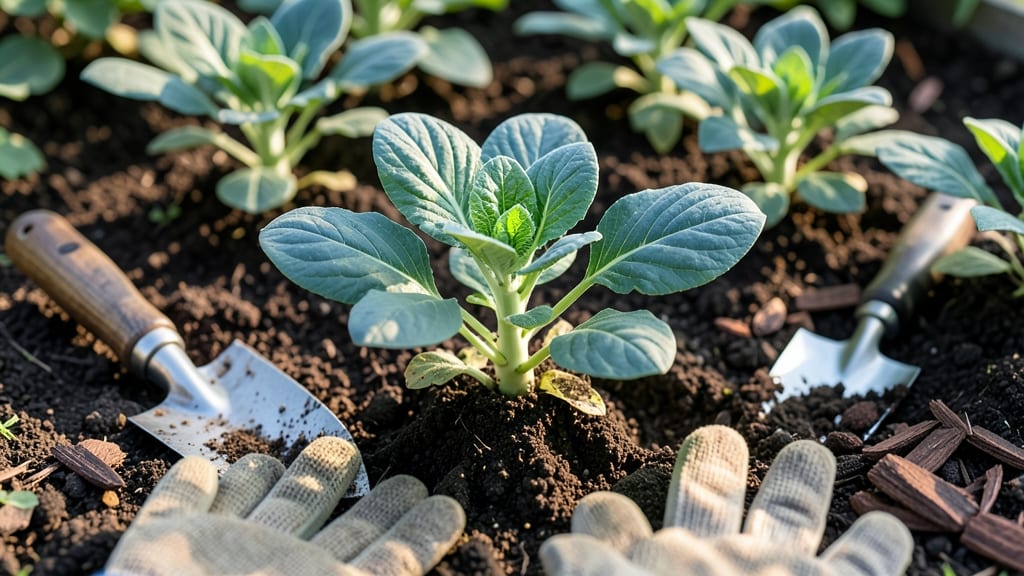
If you're wondering when to plant broccoli in Zone 7b, timing is everything—because those crisp, green 🥦 heads won’t form if you miss the sweet spot between cool springs and warm falls.
Zone 7b’s mild winters and long growing season give you two prime chances to plant: early spring (March-April) or late summer (August-September). But get it wrong, and you’ll end up with bitter, bolted plants instead of the harvest you crave.
I’ll break down the exact weeks before last frost to aim for, plus how to adjust for your microclimate—whether you’re dealing with late frosts or heat spikes that can ruin your crop.
You’ll also discover how to stretch your growing season with succession planting and companion plants that keep pests away, so you can enjoy homegrown broccoli from May through November.

Optimal broccoli planting weeks before last frost in Zone 7b
In Zone 7b, broccoli performs best when planted during two distinct windows—early spring and late summer/fall. The key is avoiding heat stress or premature bolting, which happens when temperatures exceed 75°F (24°C) for prolonged periods.
For most of Zone 7b, the last frost date falls around March 15, but your exact date may vary by 5-7 days depending on elevation and microclimate.
To calculate your precise planting window, check your local USDA frost calendar or use a frost date predictor tool. For example, if your last frost is March 20, count backward 6-8 weeks for spring planting.
This means starting seeds indoors by late January or sowing directly in early February.
For fall planting, aim to sow seeds 8-10 weeks before your first frost (typically November 15 in Zone 7b). This translates to late August to early September for direct sowing. Fall crops benefit from cooler temperatures and often produce sweeter, more tender heads before winter sets in.
Direct sowing is ideal for Zone 7b gardeners because broccoli seedlings hate transplant shock. However, if you start indoors, use biodegradable pots to minimize root disturbance.
Harden off seedlings for 7-10 days before transplanting by gradually exposing them to outdoor conditions during the day and bringing them in at night.
One common mistake is planting too early when soil is still cold or waterlogged. Test your soil with a thermometer—it should be at least 40°F (4°C) for spring and 50°F (10°C) for fall.
If your soil is too cold, wait 1-2 weeks or use row covers to warm it faster.
For succession planting, sow a second batch of seeds 2-3 weeks after your initial planting. This ensures a continuous harvest and reduces the risk of losing your entire crop to pests or weather.
For example, if you plant your first batch in early March, follow up with another in mid-March.
In Zone 7b, broccoli matures in 50-80 days depending on the variety. Calabrese and Waltham 29 are excellent choices for this zone—they tolerate heat better than Purple Sprouting varieties. Always check the seed packet for days-to-maturity and adjust your planting schedule accordingly.
If you’re unsure about your exact frost dates, use floating row covers to extend your growing season by 2-4 weeks. These lightweight fabrics protect young plants from light frosts (down to 25°F (-4°C)) while allowing sunlight and water to penetrate.
Remove covers during the day when temperatures rise above 50°F (10°C).
Remember, broccoli is a cool-season crop, so avoid planting during summer’s peak heat. If you miss the fall window, consider container gardening on a patio or balcony where you can move pots to shadier spots during hot afternoons.
With the right timing, you can enjoy fresh broccoli year-round in Zone 7b!
Optimal broccoli planting weeks before last frost in Zone 7b
Broccoli in Zone 7b loves cool weather, but planting too early risks frost damage, while planting too late leads to bolting or bitter heads. The sweet spot? 4-6 weeks before your last frost date for spring plantings, and 8-10 weeks before first frost for fall harvests.
In Zone 7b, that typically means March 15-April 15 for spring and August 15-September 15 for fall.
Your last frost date in Zone 7b is usually around March 15, but check your local USDA frost calendar for precision. Planting 6-8 weeks before (early March) gives seedlings time to establish roots before warmer weather arrives.
For fall, aim for 8-10 weeks before first frost (mid-November) to ensure mature heads before cold sets in.
For direct sowing, wait until soil temps hit 40°F (4°C)—use a soil thermometer to check. If planting indoors first, start seeds 6-8 weeks before your last frost date. Transplant seedlings outdoors when they’re 4-6 inches tall and hardy enough to handle Zone 7b’s mild nights.
Pro tip: Use row covers if planting early to protect from late frosts (28°F/-2°C tolerance). For fall, choose fast-maturing varieties like 'De Cicco' (58 days) to beat the first frost. Avoid planting after July 15—heat stress causes broccoli to bolt prematurely, ruining your harvest.
Your microclimate matters! If you’re in a warmer microclimate (e.g., near pavement), plant 2 weeks earlier to avoid heat stress. Conversely, in cooler spots, delay by 1-2 weeks to prevent frost damage. Always monitor daylength—broccoli needs 12-14 hours of daylight for optimal growth.
Remember: Succession planting every 2-3 weeks in spring/fall ensures a continuous harvest. Space plants 18-24 inches apart to allow airflow, reducing disease risk in Zone 7b’s humid summers. With the right timing, you’ll enjoy crisp, sweet heads all season long! 🥦