
Plants
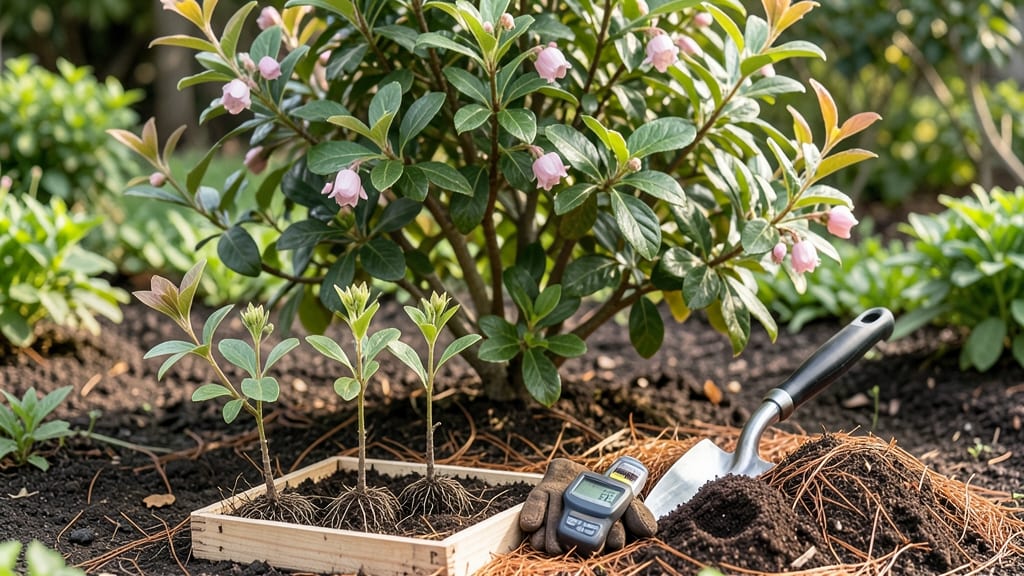
Timing your blueberry planting in Wisconsin can mean the difference between a thriving bush and a sad, frost-bitten sapling—especially when you're dealing with 4b-6a chill hours that demand precision.
If you've ever wondered why some gardeners get juicy, plump 🫐 harvests while others struggle with stunted growth, the answer likely lies in when (and how) they planted.
Most Wisconsin gardeners assume spring is the only option, but fall planting actually gives your blueberries a head start on root establishment before winter.
The key is matching your planting window to your specific zone's last frost date—whether you're in Milwaukee's 5b or Madison's 5a—and choosing varieties that thrive in your chill-hour range.
In this guide, I'll break down the exact months to plant (with a focus on March-April and September-October windows), how to prepare your soil for Wisconsin's acidic-loving bushes, and which varieties perform best in your region.
You'll also learn how to avoid the three biggest mistakes that kill blueberry bushes before they even fruit.
Ready to turn your backyard into a blueberry powerhouse? Let's get started with the timing that makes all the difference.
Best months to plant blueberries in Wisconsin by hardiness zone
Wisconsin’s USDA zones 4b-6a create unique challenges for blueberry planting, but timing is everything. The perfect window depends on whether you’re planting bare-root bushes or container-grown varieties—and your specific county’s last frost date.
Most Wisconsin gardeners succeed with either early spring (March-April) or early fall (September-October) planting, but the rules shift slightly based on your zone.
For northern Wisconsin (zones 4b-5a), like the Chippewa Valley or northern Lake Superior regions, aim for late April to early May in spring. These areas experience longer frost risks and benefit from waiting until soil warms to 45°F (7°C).
In southern Wisconsin (zones 5b-6a), such as Madison or Milwaukee, you can plant as early as March 15-April 15—just be prepared for late frosts that can damage tender roots.
Fall planting offers a second chance for Wisconsin gardeners. The ideal window is mid-September to early October, allowing bushes to establish roots before winter dormancy. This method works best in zones 5b-6a, where winters are milder.
In colder northern zones, plant by late August to avoid early snow cover that can suffocate young roots.
Pro Tip: Always check your local frost dates (via the Midwest Regional Climate Center) and plant 4-6 weeks before the first expected frost if going the fall route. This gives roots time to anchor before winter sets in.
🌱
📅 Wisconsin Blueberry Planting Windows by Zone
| Zone | Spring Planting | Fall Planting | Soil Prep Time | Key Consideration |
|---|---|---|---|---|
| 4b-5a (North) | Late April–Early May | Late August–Early Sept | March–April | Wait for soil >45°F |
| 5b (Central) | March 15–April 15 | Mid-Sept–Early Oct | February–March | Watch for late frosts |
| 6a (South) | March 1–April 1 | Sept 15–Oct 15 | February–March | Longer growing season |
🔹 Soil Prep: Test pH (4.5–5.5), amend with peat moss/sulfur, and till 12" deep
When planting in spring, prioritize bare-root bushes for northern zones—they establish faster in cooler soils. For container-grown plants, southern zones benefit more from their flexibility in timing. Always soak roots for 2–4 hours before planting to reduce transplant shock, a critical step in Wisconsin’s dry springs.
For fall plantings, focus on watering deeply after planting and applying a 3-inch layer of mulch to insulate roots. Avoid planting in wet, heavy soils—Wisconsin’s fall rains can lead to root rot if drainage isn’t ideal.
Aim for well-draining, sandy loam amended with composted pine needles to maintain acidity.
One common mistake in Wisconsin is planting too early—even in spring. If you’re in zone 4b, waiting until after May 1 reduces frost risk. Use frost cloth if you must plant earlier, but remove it by late May to prevent heat stress once temperatures rise.
💧
To maximize survival, water newly planted bushes every 2–3 days for the first 4 weeks, then taper to weekly deep waterings once established. Pair this with a 2-inch layer of wood chips around the base to retain moisture and suppress weeds—a non-negotiable in Wisconsin’s competitive garden beds.
Finally, label your bushes immediately with the variety name and planting date. Wisconsin’s short growing season means tracking maturity is key—some varieties like ‘Patriot’ ripen earlier than ‘Bluecrop’, and you’ll want to adjust your harvest schedule accordingly.
How to match blueberry varieties to Wisconsin’s chill-hour requirements
Wisconsin’s chill-hour range—from 200 hours in southern zones to over 1,000 hours in northern areas—dictates which blueberry varieties will thrive in your backyard.
Planting the wrong type can leave you with small berries or no fruit at all, so matching your variety to your county’s chill hours is critical for a bountiful harvest 🫐.
Most Wisconsin gardeners in zones 4b-5a (like Milwaukee or Madison) need varieties that require 300-500 chill hours, while northern areas (e.g., zone 6a in Superior) can handle 600-800+ hours. The key is selecting cold-hardy cultivars that align with your region’s winter chill accumulation.
Here’s how to decode your chill-hour zone: Use the USDA Plant Hardiness Zone Map (available at USDA’s website) and cross-reference it with your county’s average winter chill hours. For example, Bluecrop (a top Wisconsin pick) needs 400-500 chill hours, while Jersey thrives with 200-300 hours.
If you’re in southern Wisconsin (zones 5b-6a), prioritize early-ripening varieties like Jersey or Duke, which produce fruit before summer heat sets in. For northern Wisconsin (zones 4b-5a), opt for Patriot or Northblue, which handle harsher winters and longer chill periods.
Pro tip: Plant two varieties for cross-pollination—even if they’re the same type—to boost yields.
Once you’ve selected your chill-hour-matched variety, time your planting to align with its dormancy needs. For example, Bluecrop benefits from fall planting (September-October) to establish roots before winter, while Jersey can handle early spring (March-April) transplanting.
Always check the nursery tag for specific care instructions, as some varieties prefer bare-root planting over container-grown bushes.
Remember: Soil pH (4.5-5.5) and acidic mulch (like pine needles) are just as critical as chill-hour matching. Pair your variety with the right planting window, and you’ll be picking plump, sweet blueberries in no time—no matter where you garden in Wisconsin 🌱