
Plants
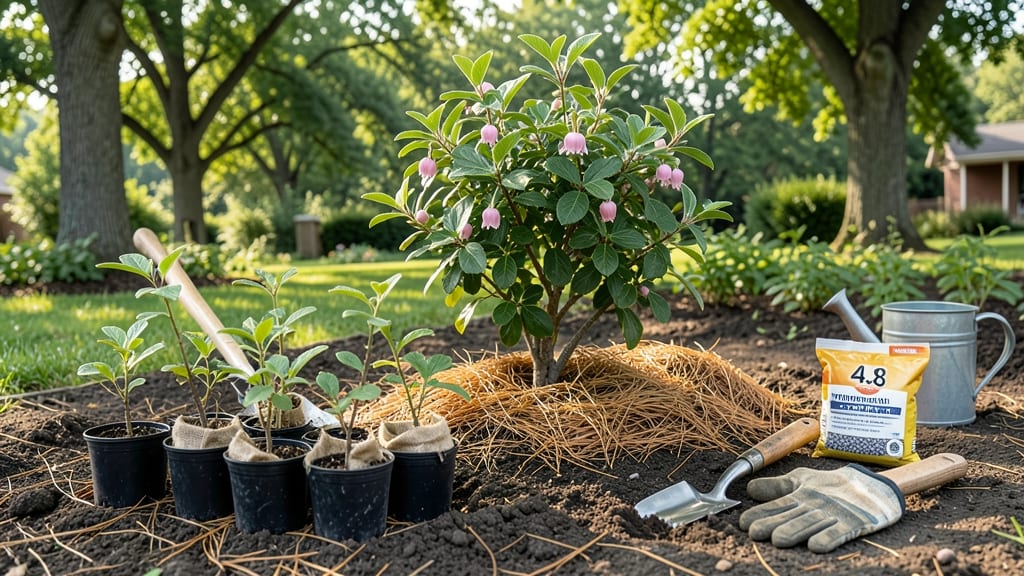
Planting blueberries in Seattle isn't just about grabbing a 🫐 bush and sticking it in the ground—timing matters more than you'd think. The right window ensures your bushes thrive, while the wrong one could leave you with stunted growth or no fruit at all.
With Seattle's unique climate, understanding chill hours and frost dates is the key to unlocking sweet, abundant berries year after year.
Most gardeners here make one common mistake: planting too early or too late, often missing the ideal late winter to early spring window. That's when soil temperatures rise just enough to encourage root growth without risking frost damage.
I'll walk you through exactly when to plant—whether you're working with bare-root saplings or container-grown bushes—to set your blueberries up for success.
What makes Seattle special is how microclimates play into this. The Eastside's warmer springs might push your planting window a week earlier than the cooler Westside, where frosts linger longer.
We'll break down how to adjust your timing based on your neighborhood, plus how to choose varieties that match your local conditions. This isn't just about planting—it's about setting up your bushes for their best possible yield.
Ready to transform your garden into a blueberry paradise? Let's dive into the exact steps, from soil prep to post-planting care, so you can enjoy those first juicy berries by June or July.
Trust me, your taste buds will thank you when you're harvesting your own homegrown 🫐 in just a few months.
Seattle’s best planting windows for blueberries: chill-hours explained
Seattle’s cool maritime climate creates unique challenges for growing blueberries. Unlike warmer regions, timing your planting around chill-hours (not just frost dates) is critical. Most blueberry varieties need 500-1,000 chill-hours (temperatures between 32°F and 45°F) to set fruit properly.
In Seattle’s USDA Zone 8a, this means planting too late in spring can lead to poor yields.
The best window for planting blueberries in Seattle is late winter to early spring—typically February through March—when soil begins to thaw but before new growth starts.
This aligns with Seattle’s average last frost date of March 15, giving young plants time to establish roots before summer heat arrives.
Here’s why timing matters: Planting in fall (September-October) is risky in Seattle due to unpredictable winter rains and wind, which can damage tender roots. Conversely, planting in late spring (after April) may expose young plants to summer drought stress, especially on Seattle’s drier Eastside.
Blueberry varieties also play a role. Northern Highbush types (like ‘Bluecrop’ or ‘Duke’) thrive in Seattle’s climate and need 700-900 chill-hours. Southern Highbush hybrids (e.g., ‘Top Hat’) require fewer chill-hours (300-500) and are better suited for Westside microclimates with milder winters.
Pro Tip: Check Seattle’s King County Extension for updated frost data—some years, the last frost can delay until April 1, especially in low-lying areas like Ballard or West Seattle.
| Variety | Chill-Hours Needed | Best Planting Month | Seattle Adaptability |
|---|---|---|---|
| Northern Highbush (e.g., Bluecrop) | 700-900 | February-March | Excellent (Eastside/Westside) |
| Southern Highbush (e.g., Top Hat) | 300-500 | March-April | Good (Westside/mild zones) |
| Rabbiteye (e.g., Tifblue) | 500-700 | February-March | Moderate (warmer microclimates) |
*Chill-hours vary by microclimate—Eastside areas like Bellevue may need earlier planting.
Seattle’s Eastside (e.g., Kirkland, Redmond) often experiences earlier last frosts (late February) due to inland warming, while Westside areas (e.g., Queen Anne, Capitol Hill) can linger near freezing until mid-March. Adjust your planting date accordingly—Eastside gardeners should plant 2-3 weeks earlier than Westside counterparts.
Another key factor is soil acidity. Seattle’s native soils are often alkaline (pH 6.5-7.5), but blueberries require pH 4.5-5.5. Amending soil with peat moss or sulfur 4-6 weeks before planting ensures roots can access nutrients.
Test your soil in January to give yourself time to adjust pH before the planting window opens.
For container growing (ideal for urban Seattle yards or patios), plant bare-root blueberries in March and use a well-draining, acidic potting mix. Containers warm up faster than ground soil, so monitor moisture closely—Seattle’s summer droughts can dry out pots in 3-5 days without regular watering.
Finally, consider pollination. Most blueberries are self-pollinating, but planting two compatible varieties (e.g., ‘Bluecrop’ + ‘Duke’) can boost yields by 20-30%. If space is limited, opt for self-fertile varieties like ‘Top Hat’ or ‘Sunshine Blue’.
Step-by-step planting timeline for Seattle gardeners (with local tips)
Seattle’s spring rains and late frosts mean your blueberry planting timeline must be precise. For bare-root plants, aim for late February to early March—just as buds begin to swell but before new growth starts.
Container-grown blueberries can go in slightly later, up to mid-April, since their roots aren’t exposed to cold.
Timing matters because chill hours (450–900 hours below 45°F) are critical for fruit set. Plant too early, and frost damage stunts growth; too late, and your bushes won’t get enough winter chill to produce berries next year.
Seattle’s USDA Zone 8a averages 600–700 chill hours, so choose varieties like ‘Duke’ or ‘Bluecrop’ that match this range.
🌱
Pro tip: Seattle’s Eastside (like Bellevue) warms up faster than the Westside (like Ballard), so adjust planting by 1–2 weeks earlier if you’re in a sunnier microclimate. Always check the Washington State University Extension for local frost updates—last frost dates can vary by 10 days between neighborhoods.
🌿
If you miss the spring window, fall planting (October) is possible for container-grown bushes, but they’ll need extra winter protection (burlap wraps or mulch blankets). Just avoid planting when soil temps drop below 40°F, or roots will suffer frost damage.