
Plants
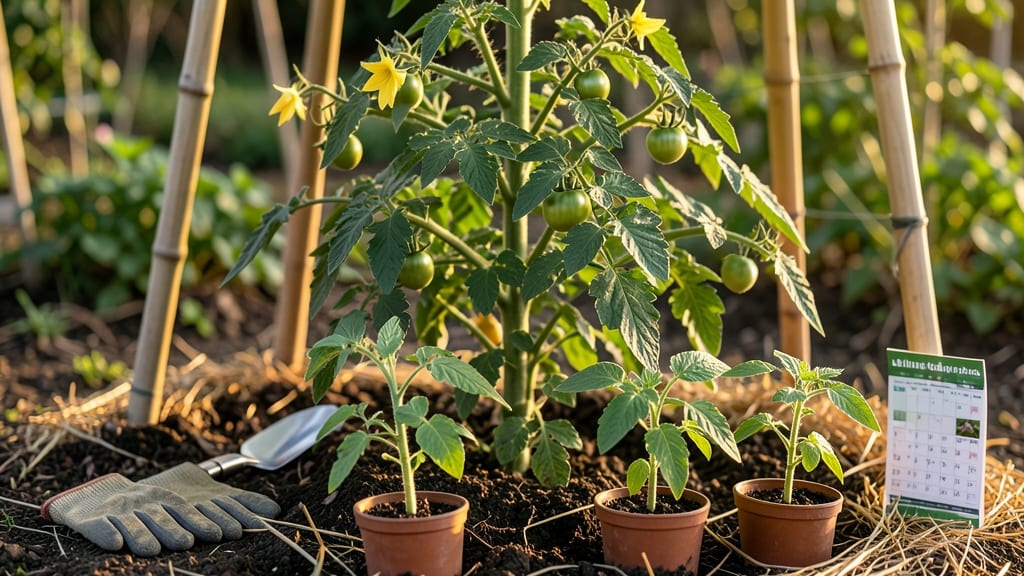
Timing when you plant tomatoes in Washington State isn’t just about dropping seeds in the dirt—it’s the difference between a bountiful summer harvest and a sad, wilted 🍅 disappointment.
With the state’s dramatic climate shifts from chilly Puget Sound mornings to scorching inland afternoons, getting the schedule right is your secret weapon for juicy, vine-ripened success.
Most gardeners in USDA zones 7b-8a wait until after the last frost—typically mid-April to mid-June—but that’s where the real strategy begins. Eastern Washington’s warmer valleys can handle transplants as early as late April, while Western WA’s damp coastal areas often need to wait until early June to avoid frost damage.
The key? Soil temperature matters more than calendar dates—aim for 60°F+ before sticking those seedlings in the ground.
Here’s what you’ll discover: how to sync your planting with Washington’s microclimates, when to start seeds indoors for a head start, and which varieties actually thrive in our short summers.
Whether you’re a first-time gardener or a veteran grower, these region-specific tips will help you beat the odds and enjoy homegrown tomatoes from July to September.
Ready to turn your garden into a tomato powerhouse? Let’s break down the exact windows, tools, and tricks that work—so you can stop guessing and start harvesting like a pro.
Washington State tomato planting calendar by region: Pacific Northwest vs. Eastern WA
Washington State’s varied climate means your tomato planting timeline depends heavily on where you live. In the Pacific Northwest (Western WA), cooler temperatures and frequent rain demand a different approach than the drier, warmer inland valleys of Eastern WA.
Let’s break down the best planting windows for each region to ensure your tomato plants thrive.
For Western WA, including Seattle, Olympia, and Bellingham, the last average frost date typically falls between April 15 and May 1. This means you should wait until mid-to-late May to plant tomato seedlings outdoors.
If you’re starting seeds indoors, begin them 6-8 weeks before the last frost, around March 15 to ensure healthy transplants by late spring.
In Eastern WA, like Spokane, Wenatchee, and Yakima, the last frost arrives earlier—usually between April 1 and April 15. This allows for earlier planting, with seedlings ready to go in the ground by early to mid-April.
Starting seeds indoors can begin as early as late February to take advantage of the longer growing season.
Soil temperature is just as critical as air temperature. Tomatoes need soil that’s at least 60°F to germinate and grow properly. In Western WA, soil may not warm up until late May or early June, while Eastern WA often hits this mark by mid-to-late April.
Use a soil thermometer to check before planting.
Here’s a quick comparison to help you plan based on your region:
| Region | Last Frost Date | Best Planting Window | Soil Temp Requirement | Indoor Seed Start |
|---|---|---|---|---|
| Western WA (Seattle, Olympia, Bellingham) | April 15 - May 1 | Mid-to-late May | ≥60°F (late May/early June) | March 15 - March 31 |
| Eastern WA (Spokane, Wenatchee, Yakima) | April 1 - April 15 | Early to mid-April | ≥60°F (mid-to-late April) | Late February - March 15 |
If you’re unsure about your local last frost date, check resources like the USDA Plant Hardiness Zone Map or your local Cooperative Extension Service. These tools provide hyper-localized data that can save your tomato plants from frost damage.
For example, areas like Mount Vernon or Port Townsend may have later frost dates than Seattle, so adjust accordingly.
For gardeners in microclimates—like urban heat islands in Spokane or coastal areas near Tacoma—you might plant a week earlier or later than the average. Pay attention to nighttime temperatures, which should stay above 50°F consistently. Cold snaps can stunt growth or even kill young seedlings.
Pro tip: Use black plastic mulch or row covers to warm the soil faster and protect seedlings from unexpected chills. This is especially useful in Western WA, where cooler soils can delay germination.
In Eastern WA, where summers heat up quickly, focus on shade cloth to prevent sunscald on young plants.
Once you’ve nailed down your planting window, the next step is choosing the right tomato varieties for your region. Heat-tolerant varieties like ‘Solar Fire’ or ‘Heatmaster’ thrive in Eastern WA’s hotter summers, while cooler-climate favorites like ‘Mountain Merit’ or ‘Stupice’ do well in Western WA’s milder conditions.
Timing isn’t just about when you plant—it’s also about how you prepare. Amend your soil with compost in early spring to improve drainage and fertility, especially in Western WA’s clay-heavy soils. In Eastern WA, focus on mulching to retain moisture during the dry summer months.
How to extend your tomato growing season in Washington’s short summers
Washington’s cool summers and short growing season can feel like a challenge for tomato lovers, but with the right strategies, you can extend harvests well into fall. The key is protecting young plants from late frosts and giving them enough warmth to thrive.
I’ve learned that even in Zone 7b-8a, you can enjoy tomatoes from June through September—or even longer—with a few smart adjustments.
Start by choosing heat-tolerant varieties like ‘Heatmaster’ or ‘Solar Fire’, which handle WA’s hot inland valleys better than standard types. These varieties also resist blossom drop when temperatures spike, a common issue in Eastern Washington. Pair them with season-extending tools to push your harvest limits even further.
🌱
Lightweight floating row covers raise soil temperatures by 5-8°F and protect seedlings from late spring frosts. For an extra boost, add a mini greenhouse or cold frame to start plants 4-6 weeks earlier.
Plant tomato seedlings every 2-3 weeks from mid-April to early June to stagger harvests. This ensures you’re always getting ripe fruit while older plants fade in late summer.
Prune indeterminate varieties to remove lower leaves and improve air circulation. This reduces humidity-related diseases and helps plants handle Eastern WA’s heat spikes.
Lay black plastic mulch around plants to warm soil faster and suppress weeds. This is especially helpful in cooler Western WA regions where soil stays chilly longer.
For smaller spaces or shorter seasons, opt for determinate tomatoes like ‘Patio’ or ‘Roma’. They ripen faster and handle cooler nights better than tall vines.
Use a soil thermometer to ensure temps stay above 60°F. If soil is too cold, delay planting or use heat-absorbing mulch to speed up warming.
Don’t forget to harvest regularly—even if some tomatoes aren’t fully ripe by late September. Green tomatoes can be ripened indoors with a paper bag and banana (the ethylene gas speeds up ripening!). With these tricks, you’ll turn Washington’s short summers into a long, productive harvest.
My best tip? Start small—test one or two strategies this year, then expand next season. Before you know it, you’ll be the neighbor with tomatoes in October while others are still dreaming of summer.