Plants
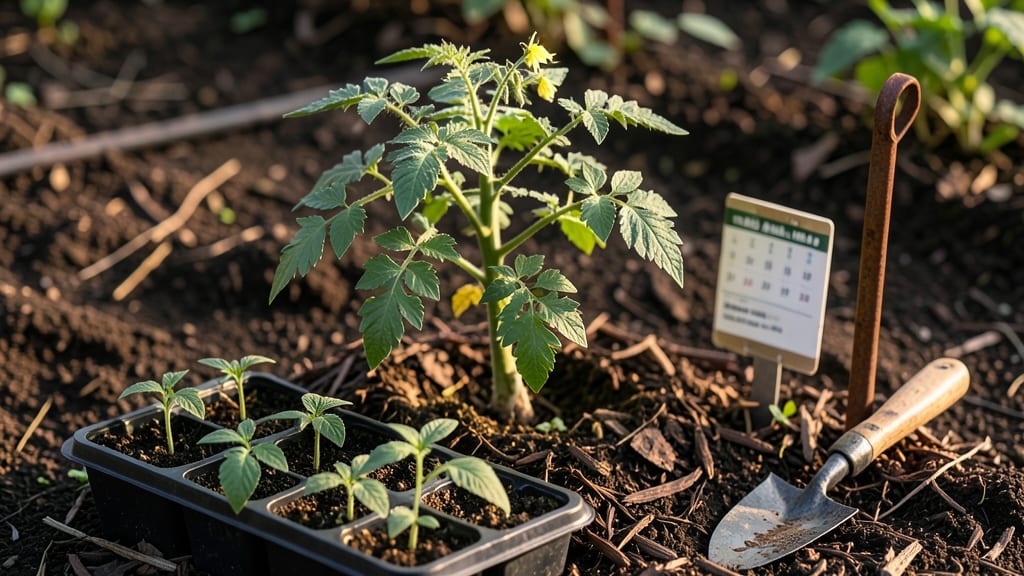
Timing when should you plant tomatoes in Indiana isn’t just about the calendar—it’s about outsmarting the state’s famously fickle spring weather. If you plant too early, a late frost will wipe out your seedlings; too late, and your season shrinks before you even get a harvest.
The sweet spot? Mid-April to early June, but there’s more to it than just dates.
Most Indiana gardeners in USDA Zones 5b-6a wait until after the last average frost date—typically around April 15th—but soil temperature matters just as much. Your tomatoes won’t thrive until the ground hits at least 60°F, which can push your ideal window into early May in cooler years.
That’s why knowing your microclimate (urban heat islands vs. rural chill) makes all the difference.
Here’s the game-changer: starting seeds indoors 6-8 weeks before your last frost gives you a head start, while hardy early varieties like ‘Stupice’ or ‘Mountain Merit’ can handle Indiana’s shorter seasons better than heat-lovers like ‘Celebrity.’
I’ll break down the exact dates by zone, plus how to stretch your season with row covers or black plastic mulch—so you’re not left with empty tomato cages by summer.
Ready to turn your Indiana garden into a 🍅 powerhouse? Let’s dive into the precise planting schedule, pro adjustments for tricky springs, and the varieties that actually perform here—no guesswork, just results.
Indiana tomato planting dates by USDA zone 5b-6a (with last frost guides)
Indiana’s USDA Zones 5b-6a mean your tomato planting window is tight—just 165 frost-free days to grow a full harvest. Timing is everything, and missing the mark can mean lost plants or stunted fruit.
The key is understanding your last frost date, soil warmth, and how to adjust for Indiana’s famously unpredictable springs.
Northern Indiana (Zone 5b) typically sees its last frost around May 10-15, while southern Indiana (Zone 6a) averages April 25-May 5. But don’t rely on averages—use a frost calendar from your local Purdue Extension office or track nighttime lows with a minimum-maximum thermometer.
For transplants (purchased seedlings), the safest window is 2-3 weeks after your last frost. In northern Indiana, that’s usually late May, while southern Indiana gardeners can plant as early as mid-April under row covers.
If you’re starting seeds indoors, begin them 6-8 weeks before your last frost—so mid-March to early April for most Hoosiers.
Here’s the golden rule: Never plant tomatoes when nighttime temps dip below 50°F. Cold snaps can stunt growth or trigger early blight, a fungal disease that thrives in wet, chilly conditions.
Use black plastic mulch or straw mulch to warm the soil faster—this can shave 7-10 days off your planting timeline.
🌱Pro Tip: If April brings a false spring (warm days but cold nights), resist the urge to plant early. Tomatoes won’t tolerate below 55°F soil temps, and a late frost will wipe out tender seedlings. Wait for consistent 60°F+ soil temps and 3 consecutive nights above 55°F.
| Zone & Region | Last Frost Date | Transplant Window | Seed Start Indoors | Soil Temp Threshold |
|---|---|---|---|---|
| Zone 5b (Northern IN: Fort Wayne, Gary) | May 10-15 | Late May (after May 20) | Mid-March to early April | 60°F+ (use mulch) |
| Zone 6a (Central/Southern IN: Indianapolis, Bloomington) | April 25-May 5 | Mid-April (under cover) or late April (outdoors) | Early March | 55°F+ (warmer soil faster) |
| Backup Dates (Risky Years) | June 1 (last resort) | Choose fast-maturing varieties (e.g., 'Early Girl') | Start seeds in late April for late transplant | Use row covers for 2 weeks |
If you’re in a microclimate—like a south-facing slope or urban heat island—you can plant 1-2 weeks earlier than the average. Test your spot by placing a thermometer in the soil at a depth of 2 inches. Tomatoes need soil temps to stay above 60°F for roots to thrive.
For late-season varieties (like 'Celebrity' or 'Better Boy'), you can push the envelope and plant as late as early June. These 60-70 day varieties can still produce a harvest before Indiana’s first frost in mid-October. Just be prepared to harvest green tomatoes and ripen them indoors if needed.
🌿Remember: Indiana’s weather is volatile. Always have a Plan B: extra row covers, a cold frame, or a greenhouse to protect seedlings if a late frost sneaks in.
With the right timing, you’ll be feasting on homegrown tomatoes from July through September—no grocery store can compete with that!
5 Critical factors that determine your tomato planting success in Indiana
Indiana’s unpredictable spring weather means your tomato planting success hinges on 5 key factors. Ignore them, and you risk stunted plants or blight before harvest. Let’s break down what truly matters for USDA Zones 5b-6a.
First, soil temperature is non-negotiable. Tomatoes need soil at at least 60°F to thrive—cold soil stunts roots. Use a soil thermometer to check before planting. In northern Indiana, this often means waiting until late May.
Nighttime temperatures are equally critical. Tomatoes struggle when nights dip below 55°F. Monitor forecasts and use row covers if early springs fool you into planting too soon. I’ve seen false springs in April turn deadly by May.
| Factor | Indiana-Specific Guidance | Pro Tip |
|---|---|---|
| Soil Temp | 60°F+ (use black plastic mulch to warm faster) | Test with thermometer—cold soil = poor germination |
| Night Temps | Above 55°F (avoid frost risk) | Row covers extend season by 2-3 weeks |
| Microclimates | Urban areas warm faster than rural | South-facing walls add 10°F warmth |
| Variety Choice | Early Girl (60 days) vs. Cherokee Purple (80 days) | Plant both for staggered harvests |
| Watering | 1-2 gallons per plant, morning only | Drip irrigation prevents blight better than overhead |
Don’t overlook microclimates—your neighbor’s perfect tomato patch might fail in your yard. Urban areas with south-facing walls can be 10°F warmer than open fields. I’ve seen tomatoes thrive in Indiana cities like Carmel when rural gardens nearby struggle.
Next, tomato variety matters. Indiana’s short growing season (165 frost-free days) demands smart choices. Early Girl (60 days) is foolproof, while Brandywine (85 days) needs a head start indoors. Mix varieties to stagger harvests from July to October.
Finally, watering discipline separates winners from losers. Tomatoes need 1-2 gallons per plant daily in summer, but morning watering prevents fungal diseases. I lost an entire crop once by watering at night—never make that mistake.