
Plants
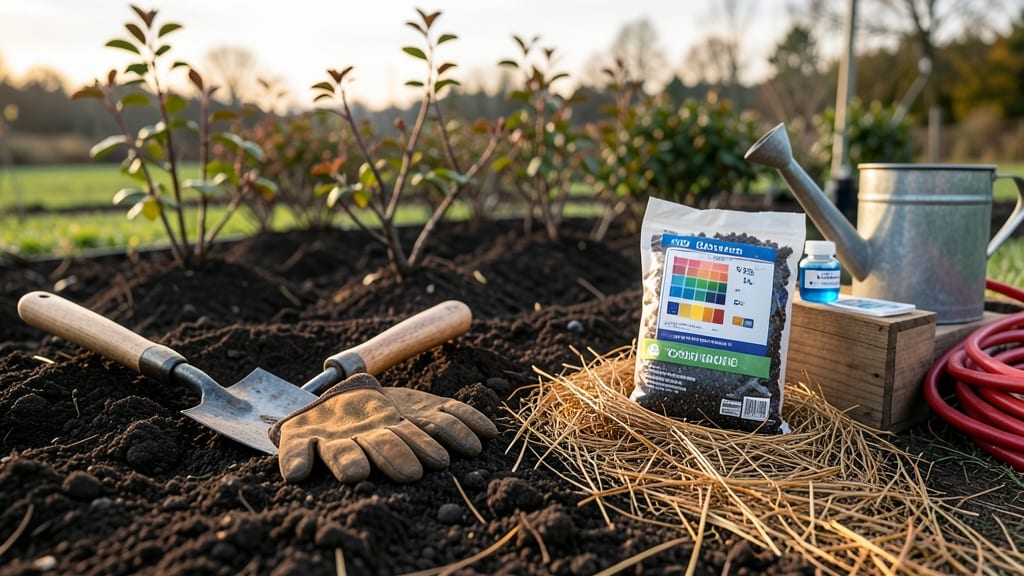
Timing your blueberry 🫐 planting in Arkansas isn’t just about the calendar—it’s about matching your variety’s chill-hour needs to the 7a-8a climate for that first sweet harvest. Plant too early, and frost will nip your young bushes; too late, and they won’t establish roots before summer heat sets in.
The perfect window—late winter to early spring—gives your blueberries the head start they need to thrive.
Why does this matter? Arkansas gardeners know the difference between a bountiful crop and a struggling bush often comes down to timing. Cool soil temperatures in February-March help roots settle before the heat of summer, while avoiding the last frost (around March 15) ensures survival.
But here’s the catch: not all blueberry varieties play nice in Arkansas’ humidity and heat—some need more chill hours than others.
In this guide, I’ll break down the exact months to plant based on your soil prep, variety selection, and Arkansas-specific challenges like acidity and drainage. Whether you’re going for ‘Tifblue’ (a Southern favorite) or a highbush like ‘Premier’, you’ll learn how to time it right for maximum yields.
Let’s get those bushes in the ground the smart way.
You’ll also discover how to prep your soil for acid-loving blueberries, avoid common mistakes that kill yields, and even extend your planting window with containers. Ready to turn your Arkansas garden into a blueberry powerhouse? Let’s dig in.
Best planting months in Arkansas based on chill-hours and soil prep
Arkansas gardeners have a narrow but critical window to plant blueberries for optimal success. The best time is late winter to early spring, specifically between February and March, when soil temperatures rise above 40°F (4°C).
This timing aligns with Arkansas’ USDA zones 7a-8a and ensures your bushes establish roots before summer heat sets in.
For bare-root plants, aim to plant in February—this gives roots time to harden off before the growing season kicks off. If you’re using container-grown bushes, March is ideal because the soil warms faster, reducing transplant shock.
Avoid planting in April or later unless you’re in northern Arkansas (zone 7a), where cooler springs delay soil warming.
Why timing matters so much? Blueberries need chill-hours—periods of cold temperatures—to set fruit. Most Arkansas varieties require 300–900 chill-hours, and planting too late can disrupt this cycle.
For example, ‘Tifblue’ (a top Arkansas variety) needs 500–600 chill-hours, so planting in March ensures it gets the cold it needs before flowering.
🌱
| Planting Window | Soil Temp | Chill-Hours Needed | Best Varieties | Soil Prep Tip |
|---|---|---|---|---|
| Late February | 40–45°F (4–7°C) | 300–600 | Climax, Premier | Amend soil with peat moss |
| Early March | 45–50°F (7–10°C) | 500–900 | Tifblue, Sharpblue | Test pH (4.5–5.5) |
| Late March (North AR) | 50–55°F (10–13°C) | 600–900 | Duke, Legacy | Add sulfur if pH > 6.0 |
| Avoid After April | >55°F (13°C) | N/A | None recommended | Risk of transplant shock |
Before planting, Arkansas’ humid climate and clay-heavy soils in many areas demand extra prep. Start by testing your soil’s pH—blueberries thrive only in acidic soil (4.5–5.5). If your soil tests higher, amend it with elemental sulfur or peat moss 2–3 months before planting.
For example, if you’re in southern Arkansas (zone 8a), where soils can be more alkaline, begin amendments in November to give them time to adjust.
Drainage is another critical factor. Arkansas’ flat terrain in the Delta region can lead to waterlogged soil, which blueberries hate. If your yard has poor drainage, plant in a raised bed or mound with compost and sand.
For container growing, use a mix of 50% peat moss, 30% pine bark, and 20% perlite to ensure airflow and acidity.
Mulching is a game-changer in Arkansas’s heat. Apply 3–4 inches of pine needles or wood chips around your bushes to retain moisture and slowly acidify the soil. Replenish mulch annually, especially in summer, when Arkansas’ humidity can dry out surface soil quickly.
This step alone can double your yield by reducing stress on the plant.
Finally, avoid planting in fall unless you’re in northern Arkansas (zone 7a). Fall-planted bushes may not establish roots before winter freezes, leading to poor survival. If you must plant in fall, choose hardy varieties like ‘Duke’ and do so by October 1st to allow root growth before dormancy.
☀️
Best planting months in Arkansas based on chill-hours and soil prep
Arkansas gardeners have a narrow but critical window for planting blueberries—late winter to early spring—when soil temperatures rise above 40°F but before buds swell. This timing ensures roots establish before summer heat arrives.
Most of Arkansas falls in USDA zones 7a-8a, meaning chill-hour requirements (300–900 hours below 45°F) dictate which varieties thrive. For example, ‘Tifblue’ (600–800 hours) is ideal for northern Arkansas, while ‘Premier’ (300–500 hours) suits southern regions.
Spring planting (February–March) is optimal for bare-root bushes, allowing roots to grow before summer. Fall planting (October–November) is risky in Arkansas due to early frosts and humidity, but container-grown plants can be planted in early fall if soil stays workable.
Always check your last frost date—northern Arkansas (zone 7a) averages March 15, while southern areas (zone 8a) may see frost as late as March 1.
| Planting Window | Soil Temp | Chill-Hours Needed | Best Varieties |
|---|---|---|---|
| Late Winter (Feb) | 40–50°F | 300–900 hrs | ‘Climax,’ ‘Premier’ |
| Early Spring (Mar) | 50–60°F | 600–800 hrs | ‘Tifblue,’ ‘Duke’ |
| Early Fall (Oct) | 60°F+ | 300–500 hrs | ‘Brigitta,’ ‘Sharpblue’ |
Soil must be workable and frost-free for 6+ weeks post-planting.
Before planting, amend your soil to achieve a pH of 4.5–5.5—blueberries hate alkaline soil. Arkansas’ native clay often needs sulfur or peat moss to lower pH. Mix 2–3 inches of organic matter (compost or pine needles) into the top 12 inches of soil.
For container growing, use acidic potting mix (pH 4.0–5.5) and repot every 2–3 years to refresh nutrients. Test your soil 2–3 weeks before planting to avoid delays.
Timing isn’t just about months—it’s about soil temperature. Use a soil thermometer to confirm roots won’t struggle in cold ground. In Arkansas, bare-root bushes should go in when soil hits 45°F, while container plants can tolerate slightly cooler temps.
Plant on a cool, cloudy day to reduce transplant shock, and water deeply immediately after to settle roots. Mulch with pine straw to retain moisture and acidity.
One Arkansas-specific challenge is humidity, which can cause fungal diseases like botrytis blight. To combat this, space plants 3–4 feet apart for airflow and avoid overhead watering. Southern Arkansas gardeners should prioritize disease-resistant varieties like ‘Emerald’ or ‘Star’.
In northern areas, ‘Duke’ or ‘Climax’ handle cooler springs better. Always prune dead wood in late winter to encourage new growth during your planting window.
Pro tip: If you miss the spring window, container planting extends your options. Pots let you move plants to sheltered spots in winter or greenhouse-start bushes earlier.
Just ensure containers have drainage holes and are large enough (15+ gallons) to support mature roots. Arkansas’ short growing season demands every advantage—don’t let timing slip!