
Plants
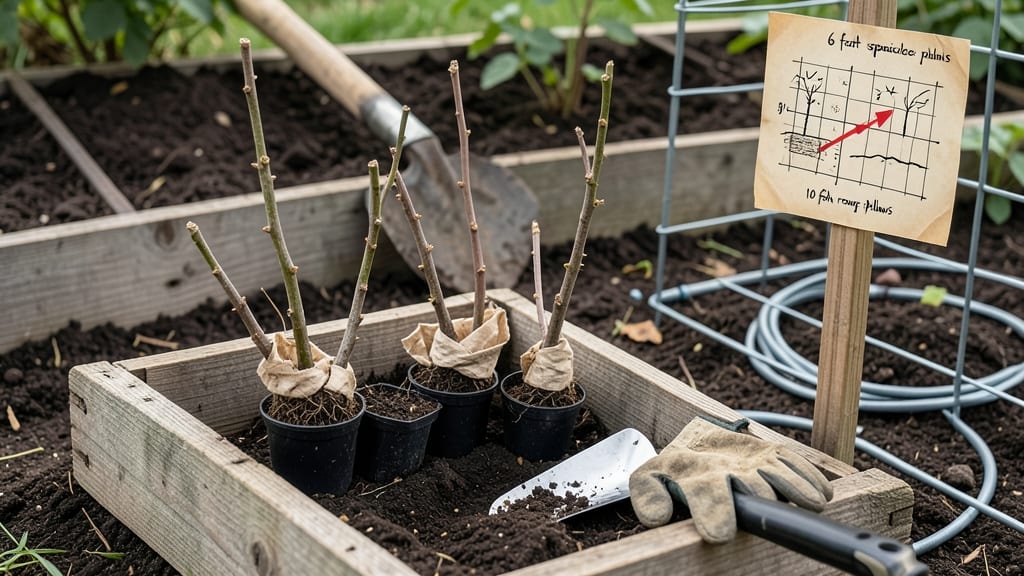
Timing matters more than you might think when it comes to planting blackberries in Tennessee—get it wrong, and you could end up with sparse fruit or even lost plants.
With Tennessee’s USDA Zones 6b-7a offering two prime windows (spring and fall), choosing the right moment depends on your specific microclimate, whether you’re planting bare-root canes or potted varieties, and how much chill those berries need to thrive.
Spring planting gives your 🫐 blackberries a head start, but late frosts can still sneak in, especially in the Appalachian foothills. Fall, on the other hand, lets roots establish before winter—ideal for Tennessee’s mild but unpredictable climate.
I’ll break down the exact months that work best for your region, so you can avoid common pitfalls like overwatering in summer heat or planting too late for root growth.
What sets Tennessee apart is its chill-hour diversity—some varieties need 300 hours of winter cold, while others thrive with 1,000+ hours. Picking the wrong one could mean no fruit at all.
I’ll show you how to match your blackberry type to your local chill hours, plus pro tips for soil prep and mulching that Tennessee gardeners swear by.
Ready to plant? Let’s dive into the perfect schedule for your Tennessee blackberries—whether you’re in Nashville’s urban gardens or the cooler Appalachian hills. You’ll leave here with a clear plan, from soil prep to frost protection, so your bushes burst with fruit come June–August.
Best planting months for Tennessee blackberries (Zones 6b-7a)
Timing is everything when planting blackberries in Tennessee, where USDA Zones 6b-7a bring unique challenges like late frosts and high humidity.
The best windows are early spring (March-April) or fall (September-October), but your exact timing depends on your specific microclimate—whether you're in the Appalachian foothills or the Nashville Basin.
Spring planting gives canes time to establish roots before summer heat, while fall planting allows roots to settle before winter dormancy. However, planting too early in spring risks late frost damage, and fall planting too late leaves insufficient time for root growth before cold sets in.
For bare-root blackberries, aim for soil temperatures above 45°F (7°C)—typically mid-March in most of Tennessee. If you're planting potted blackberries, you can start slightly earlier, as they adapt faster to soil conditions.
In Tennessee's Zone 6b (e.g., Knoxville), last frost dates average March 15, while Zone 7a (e.g., Nashville) sees last frosts around March 25. Always check your local frost-free date to avoid planting too soon.
Tennessee Blackberry Planting Comparison
| Season | Best Months | Soil Temp | Key Considerations |
|---|---|---|---|
| Spring | March-April | 45°F+ (7°C+) | Avoid late frosts; water deeply after planting |
| Fall | September-October | 50°F+ (10°C+) | Plant 6-8 weeks before first frost; mulch heavily |
| Late Spring Risk | May | N/A | Late frosts can kill new growth; use frost cloth if needed |
| Fall Risk | November | N/A | Insufficient root growth before winter; avoid |
If you're in Tennessee's Appalachian region, where nights stay cooler longer, you can push spring planting slightly later (April) to avoid late frost surprises. Conversely, in the Nashville area, where springs warm quickly, March planting often works well.
For fall planting, aim to finish by October 15 in Zone 6b and November 1 in Zone 7a. This gives roots enough time to establish before winter dormancy begins. Always mulch heavily (4-6 inches) to protect roots from freezing.
One common mistake Tennessee gardeners make is planting too late in fall, leaving canes vulnerable to winter desiccation. If you miss the fall window, wait until early spring—just be prepared to protect young plants from late frosts with frost cloth or row covers.
Pro tip: If you're planting thornless varieties like 'Natchez' or 'Ouachita', spring planting is ideal—they establish faster and produce fruit sooner, giving you a jumpstart on your harvest.
Always check your local extension office for precise frost dates, as Tennessee's microclimates can vary dramatically even within short distances. With the right timing, your blackberries will thrive and reward you with juicy, sweet berries from June through August.
How to match blackberry varieties to Tennessee’s chill hours
Tennessee’s climate offers a unique challenge for blackberry growers: 300–1,000 chill hours across the state. Choosing the wrong variety can lead to poor fruit set or even no harvest at all.
In Zones 6b-7a, varieties like Natchez and Ouachita thrive because they meet Tennessee’s chill-hour requirements while handling summer heat. Let’s match your location to the perfect blackberry for reliable yields.
Chill hours measure the number of hours below 45°F a plant needs to produce fruit. Tennessee’s Appalachian foothills (Zone 6b) typically see 800–1,000 chill hours, while the Nashville area (Zone 7a) often falls between 500–700 hours.
If you’re in the western part of the state, like Memphis, you’ll need varieties that tolerate fewer chill hours (around 300–500**).
Here’s how to align your variety with Tennessee’s chill hours and heat tolerance for a successful harvest:
| Variety | Chill Hours | Heat Tolerance | Tennessee Performance |
|---|---|---|---|
| Natchez | 500–700 | High | Excellent in Nashville (Zone 7a), reliable fruit set. |
| Ouachita | 600–800 | Moderate | Best for Appalachian foothills (Zone 6b), disease-resistant. |
| Chester | 300–500 | Very High | Ideal for western TN (Memphis), thrives in heat. |
| Apache | 400–600 | High | Drought-tolerant, great for drier areas like Chattanooga. |
| Arapaho | 800–1,000 | Moderate | Best for higher elevations (e.g., Great Smoky Mountains). |
For Nashville and middle Tennessee, Natchez and Ouachita are top picks because they balance chill hours with heat tolerance. If you’re in western Tennessee, Chester or Apache are better choices—they handle the state’s hot summers without sacrificing fruit production.
Always check your local USDA chill-hour map or ask your local extension office for precise data.
Pro tip: If you’re unsure about your chill hours, plant a mixed variety pack to cover different needs. For example, a mix of Natchez and Chester can ensure fruit set whether you’re in the cooler mountains or the warmer valleys.
Just remember, thornless varieties like Ouachita are easier to harvest but may need extra care in humid Tennessee summers.
Once you’ve matched your variety to your region’s chill hours, focus on soil prep and mulching to maximize your blackberries’ potential. Tennessee’s humidity can lead to fungal issues, so choosing the right variety is just the first step—planting correctly keeps your bushes healthy and productive for years.