
Planting
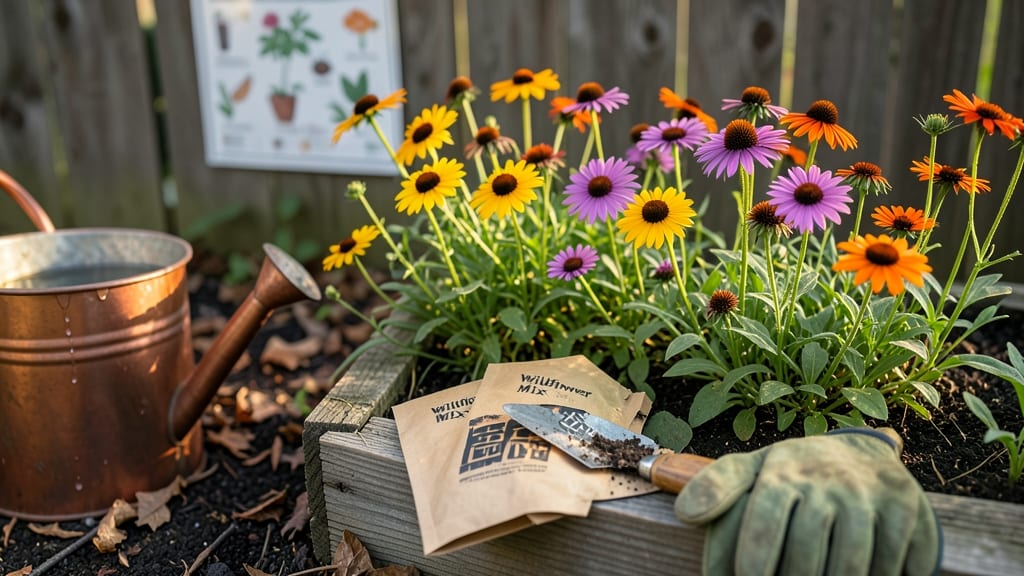
Timing your Garden Vegetables & Flowers (General) planting in Tennessee can mean the difference between a lush harvest and wasted effort. With USDA Zones 6a-7b offering two distinct planting seasons—early spring and late summer—getting the schedule right is the key to avoiding frost damage or stunted growth.
I’ve spent years watching Tennessee gardens thrive (and sometimes struggle) because of planting mistakes. Whether you’re in the cooler mountains or the warmer Nashville plains, knowing when to plant 🌱 cool-season crops like spinach or warm-season favorites like tomatoes makes all the difference.
Let’s break down the exact months that work best for your region.
Most gardeners in Tennessee rush to plant too early, only to lose their seedlings to late frosts. The secret? Waiting until after your last average frost date—typically mid-to-late March—for cool-season crops, and holding off until May or June for heat-loving plants.
I’ll show you how to adjust for your specific microclimate.
Ready to transform your garden from a gamble into a guaranteed success? Stick around—I’ll share the precise planting windows, soil prep tips, and even how to use raised beds to extend your growing season. Your future harvest depends on it.
Tennessee planting calendar by USDA zones 6b-7a: exact months for vegetables, flowers & herbs
Tennessee’s USDA Zones 6b-7a create a unique gardening rhythm, where cool-season crops thrive in early spring and warm-season plants flourish after frost danger passes. The key?
Timing your plantings to align with average last frost dates—typically mid-to-late March in most regions—and adjusting for local microclimates like the cooler Smoky Mountains or urban heat islands.
For cool-season vegetables like lettuce, spinach, and broccoli, the window opens 4-6 weeks before your last frost date.
In Nashville (Zone 7a), that’s often mid-February to early March, while Knoxville (Zone 6b) may wait until late March. Warm-season crops, including tomatoes, peppers, and basil, need to wait until 2-3 weeks after the last frost, usually mid-April to early May.
Don’t overlook fall planting—another prime season for cool-season crops! In Tennessee, you can often sow spinach, kale, and radishes as early as mid-August for a harvest before the first frost (typically mid-November).
Perennials like lavender and rosemary can even be planted in early spring or fall for year-round beauty.
Here’s a quick reference for ideal planting months based on Tennessee’s zones, broken down by plant type:
| Plant Type | Cool-Season (Spring) | Warm-Season (Summer) | Fall Planting | Notes |
|---|---|---|---|---|
| Vegetables (Leafy Greens) | Feb–March | N/A | Aug–Sept | Spinach, kale, lettuce |
| Vegetables (Root Crops) | March–April | June–July | Aug–Sept | Carrots, beets, radishes |
| Vegetables (Fruiting) | N/A | April–May | N/A | Tomatoes, peppers, cucumbers |
| Flowers (Annuals) | March–April | May–June | Aug–Sept | Marigolds, zinnias, cosmos |
| Herbs | March–April | April–May | Aug–Sept | Basil, parsley, cilantro |
| Perennials | March–April | N/A | Aug–Sept | Lavender, rosemary, daylilies |
Pro tip: Use a soil thermometer to confirm soil warmth before planting warm-season crops. Most seeds need soil temps of at least 60°F to germinate properly. In Zone 7a, this often aligns with late April, while Zone 6b may wait until early May.
For container gardening, you can extend your season by 2-4 weeks on either end, thanks to the heat-retaining properties of pots. Just ensure containers have drainage holes and use lightweight potting mix to avoid overheating roots. Herbs like basil and thyme thrive
How to adjust planting times for Tennessee’s microclimates (mountains vs. cities)
Tennessee’s geography creates microclimates that can shift your planting schedule by weeks. A garden in Nashville’s urban heat island might thrive with tomatoes planted in early May, while high-elevation Smoky Mountain farms should wait until mid-June. Understanding these differences ensures your plants grow strong and avoid frost damage.
Elevation is the biggest factor—every 1,000 feet gain delays spring planting by about 1 week. For example, Chattanooga (800 ft) has a last-frost date around March 25, while Gatlinburg (2,500 ft) typically sees frost until May 10.
Use your local USDA Zone (6b–7a) as a starting point, then adjust for your exact elevation.
Urban areas like Memphis and Nashville experience heat islands that warm soil faster, allowing earlier planting of warm-season crops. However, these zones also face higher nighttime temperatures, which can stress young seedlings. If you’re in a city, consider shade cloth for delicate starts until soil temperatures stabilize.
Mountain regions, like the Cumberland Plateau, have cooler soils that delay planting. Test soil temperature with a thermometer—most warm-season crops need 60°F+ soil. If your soil is still chilly in May, opt for cool-season crops like kale or peas until temperatures rise.
Use NOAA climate data for your specific county to fine-tune timing. For example, check the 30-year frost averages for your area—some years, Nashville’s last frost might be April 10, while others it’s March 15.
Planting hardy crops like spinach in late February can work in mild winters, but delicate peppers need to wait until soil is reliably warm.
If you’re unsure, start with container gardening to test conditions. Containers warm up faster in cities but can overheat in mountains. For raised beds, add black plastic mulch in spring to accelerate soil warming by 2–3 weeks—perfect for urban gardeners eager to plant early.
Pro tip: Observe your neighbors’ gardens. If their tomatoes are already flowering in May, you’re likely in a lowland zone. If their zucchini vines are just sprouting in June, you’re probably in the mountains. Adjust your schedule accordingly to stay in sync with nature’s rhythm. 🌱