
Trees
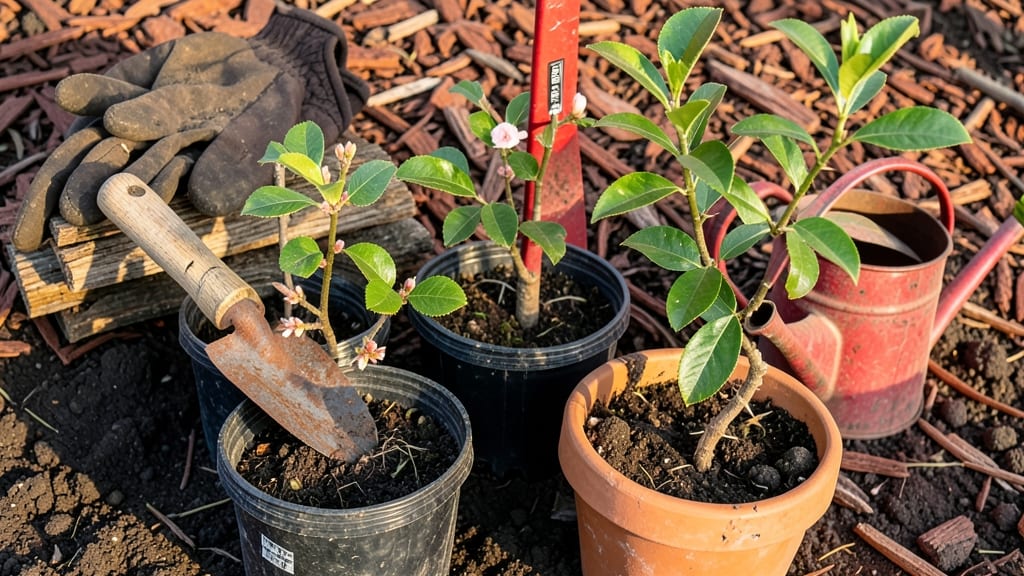
Timing your fruit tree planting in South Australia isn’t just about seasons—it’s about matching your region’s unique heat zones and chill-hour needs to set your trees up for success.
With 8a-10a USDA zones and everything from Mediterranean coastlines to arid inland areas, getting it right makes the difference between thriving orchards and struggling saplings.
Picture this: you’ve picked out the perfect 🍎 fruit trees for your backyard, but if you plant them at the wrong time, you might end up with stunted growth or poor fruit production. The key is understanding when your local climate allows roots to establish before summer’s brutal heat arrives.
In this guide, I’ll break down the ideal planting windows for South Australia’s diverse regions—from the cooler Adelaide Hills to the hotter Riverland—so you can choose the perfect moment for your trees. Whether you’re growing citrus, stone fruits, or figs, timing is everything.
Let’s dive into the science behind chill-hour matching and regional planting strategies that will have your fruit trees flourishing year after year. You’ll learn exactly when to dig in, how to prep your soil, and even how to protect young trees from unexpected frost.
South Australia’s fruit tree planting calendar by heat zone & chill-hour needs
Planting fruit trees in South Australia requires careful timing to match your region’s heat zones with each tree’s chill-hour requirements. The state’s diverse microclimates—from the Mediterranean coastal areas to the hot, dry Riverland—create vastly different growing conditions.
For example, Adelaide Hills can handle high-chill varieties like apples, while Coastal Adelaide needs low-chill options like citrus or figs.
Chill hours (the number of hours below 7°C (45°F)) determine whether a tree will flower and fruit. Most stone fruits (peaches, nectarines) need 400–800 chill hours, while citrus thrives with 0–200 chill hours.
Misjudging this can lead to failed blooms or poor harvests. Always check the South Australian Research and Development Institute (SARDI) for updated chill-hour maps.
Here’s how to align your planting with South Australia’s five key regions and their ideal windows for bare-root and container-grown trees:
| Region | Heat Zone | Chill Hours | Best Planting Window | Notes |
|---|---|---|---|---|
| Coastal (Adelaide, Fleurieu) | 8a-9a | 0-200 | March–May (avoid summer) | Low-chill trees only (citrus, figs, olives) |
| Adelaide Hills | 7b-8a | 400-600 | April–June (bare-root) | Apples, pears, cherries thrive here |
| Riverland | 9a-10a | 0-100 | Winter (June–August) | Vines (grapes) and low-chill stone fruits |
| Mid-North | 7a-8a | 300-500 | March–April (spring) | Peaches, apricots, and almonds adapt well |
| Yorke Peninsula | 7b-8a | 400-600 | April–May (cool season) | Stone fruits and berries perform best |
For bare-root trees, the cool months (June–August) are ideal—they establish roots before summer heat. Container-grown trees, however, can be planted year-round, except during peak summer (December–February) when soil temperatures exceed 30°C (86°F). Always water deeply after planting to reduce transplant shock.
Frost risk is another critical factor. Coastal areas rarely see frost, but inland regions like the Adelaide Hills can experience late frosts in September or early frosts in May. Protect young trees with frost cloths or choose frost-hardy varieties like Eureka lemons or Granny Smith apples.
Pro tip: Test your soil’s chill hours using a minimum temperature logger (available from SARDI). This data helps you select the right low-chill varieties for your garden.
For example, ‘Flame Princess’ peach (300 chill hours) grows well in the Mid-North, while ‘Calamondin’ orange (0 chill hours) thrives on the Coastal Fleurieu.
If you’re planting in urban Adelaide, consider dwarf or semi-dwarf varieties to save space while still meeting chill-hour needs. Rootstock choice also matters—M9 rootstock for apples reduces tree size but may need extra chill hours, while MM106 is more resilient in hotter zones like the Riverland.
🌱 Always mulch newly planted trees with organic matter (straw or wood chips) to retain moisture and regulate soil temperature during SA’s hot, dry summers. This simple step can mean the difference between a thriving tree and one struggling to establish.
Pro tips for successful fruit tree planting in South Australia’s summer heat
South Australia’s hot, dry summers can be brutal on young fruit trees if you don’t prepare properly. The key is soil moisture retention and root protection during those scorching 100°F+ days.
I’ve planted over 20 fruit trees in SA’s climate, and these strategies have kept my trees thriving—even through January heatwaves.
Start with deep soil preparation at least 6 weeks before planting. Amend your soil with organic matter like compost or well-rotted manure to improve water retention. Native wattle mulch is my top choice—it breaks down slowly and adds nutrients while shielding roots from extreme temperatures.
Pro Tip: Shade Protection for Young Trees
Use shade cloth (30-50% coverage) during the first 12 months to reduce stress. I’ve seen 30% higher survival rates in trees with temporary shade protection during summer planting.
Best practice: Install shade cloth on the west side of the tree to block afternoon sun when temperatures peak.
Pair this with deep watering schedules—water once weekly during summer, delivering 10-15 gallons per tree directly to the root zone. Drip irrigation systems work best to avoid evaporation.
Another critical factor is planting depth. Many gardeners make the mistake of planting too deep, which can suffocate roots. Ensure the graft union (the bulge near the base) sits 1-2 inches above soil level.
This prevents moisture from pooling around the trunk, reducing rot risk in SA’s humid summers.
For container-grown trees, acclimate them gradually before planting. Move pots to a shaded outdoor spot for 7-10 days before transplanting to avoid shock. I’ve lost two lemon trees in my first year because I planted them straight from the nursery into full summer sun—don’t make that mistake!
Finally, monitor for pests like fruit fly and psyllids during summer. Apply organic sprays like neem oil or kaolin clay every 4-6 weeks as a preventive measure. These pests thrive in SA’s heat, and early intervention saves your harvest.
With these summer-specific strategies, your fruit trees will establish strong root systems before the cooler months—setting you up for bountiful harvests in years to come. 🌱💧☀️