
Plants
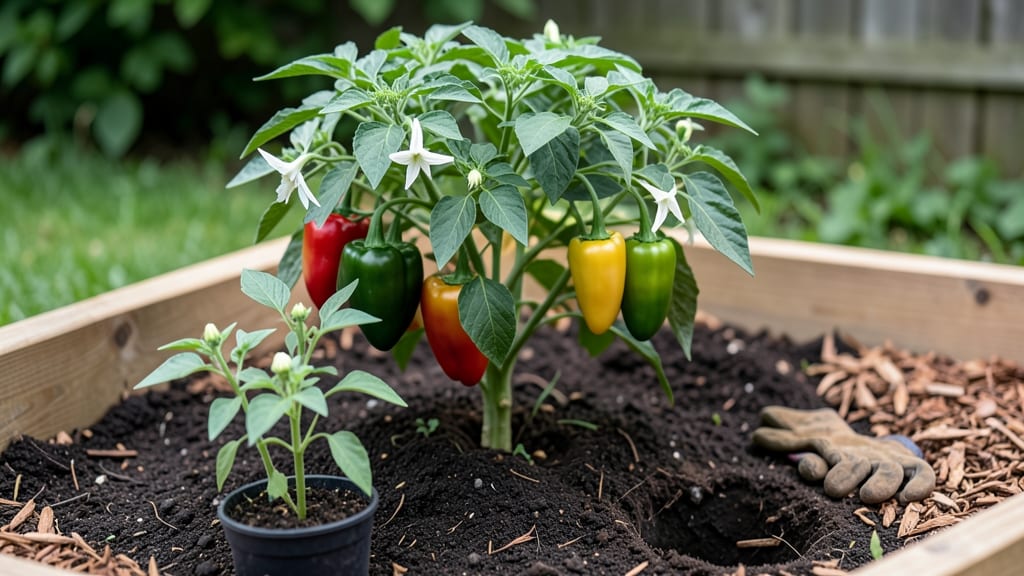
Timing your 🌶️ bell pepper planting in Tennessee isn't just about the calendar—it's about beating the region's tricky frost dates and unpredictable spring swings. Plant too early, and Mother Nature's last frost (which hits between March 15 and April 15) will turn your seedlings into sad, wilted memories.
But get it right, and you're looking at a summer harvest stretching from July through October—with juicy, homegrown peppers that taste nothing like store-bought. The key?
Waiting until soil temperatures hit 60°F and all frost danger has passed, which typically lands between April 15 and June 1 depending on your specific zone (6a-7b).
I'll walk you through exactly when to start seeds indoors versus planting directly outdoors, plus how to adjust for Tennessee's microclimates—whether you're in Nashville's urban heat islands or the cooler Appalachian foothills. No more guessing games, just data-backed timing that actually works.
Ready to turn your garden into a pepper powerhouse? Let's dive into the heat zone map that'll have you harvesting like a pro this season.
Tennessee heat Zone map: when to plant bell peppers by region
Tennessee’s USDA Zones 6a-7b create a tricky balance for bell pepper growers. Unlike frost-sensitive tomatoes, peppers need consistent warmth—so planting too early risks soil temperatures below 60°F, stunting growth. Let’s break down the exact planting windows for Nashville, Chattanooga, and Knoxville, plus how to adjust for microclimates.
Most Tennessee gardeners aim for April 15 to June 1 as the ideal window, but your last frost date and soil warmth are the real deciding factors.
For example, Zone 6a (eastern TN) waits until May 1 on average, while Zone 7b (Memphis area) can start as early as April 1. Always verify with your local Cooperative Extension Service for precise dates.
Here’s the critical rule: Never plant outdoors until soil temperatures hit 60°F+ at a 4-inch depth. Use a soil thermometer to check—peppers won’t germinate below this threshold. In cooler microclimates (like mountain valleys), wait until June 1 to avoid fungal diseases from damp, chilly soil.
If you’re starting seeds indoors, begin 8-10 weeks before your last frost date. For Nashville (Zone 7a), that means February 15—but use grow lights to supplement weak winter sunlight.
Seedlings need 12-16 hours of light daily to avoid leggy, weak plants. Pro tip: Use biodegradable pots to avoid transplant shock when moving outdoors.
For direct sowing outdoors, wait until after May 15 in most of Tennessee to ensure soil stays warm. In Zone 6a (e.g., Bristol), delay until June 1—cooler nights slow germination.
Test soil warmth daily with a thermometer; peppers won’t thrive below 60°F, even if frost risk is low.
Microclimates matter! South-facing slopes warm up faster than north-facing gardens. If your yard has shaded areas, opt for compact varieties like 'Aristotle' (24" tall) or use reflective mulch to boost soil temperature. In urban heat islands (like downtown Nashville), you can plant 2 weeks earlier than rural areas.
One non-negotiable rule: Avoid planting bell peppers in the same spot yearly. Rotate crops to prevent soil-borne diseases like verticillium wilt. If space is limited, wait 3 years before replanting in the same bed. Companion plants like basil, onions, or marigolds can also deter pests naturally.
Remember: Fall planting is possible in Tennessee’s warmer zones (7a+). Start seeds indoors July 15 for a late-summer harvest before frost. Use row covers to extend the season by 2-3 weeks—just remove them during hot afternoons to prevent overheating.
🌶️
Tennessee heat Zone map: when to plant bell peppers by region
Tennessee’s USDA Zones 6a-7b create a tricky balance for bell pepper growers. Unlike frost-sensitive tomatoes, peppers need consistent warmth—so planting too early risks frost damage, while waiting too long cuts harvest time. Let’s break down the exact planting windows for Nashville, Chattanooga, and Knoxville areas.
Your first rule: Wait until soil hits 60°F+. Use a soil thermometer to confirm—peppers won’t germinate below this.
In Zone 6a (eastern TN), aim for April 20-May 10 after last frost. Zone 7a/b (Middle TN) can start April 1-May 1, while West TN (Zone 7b) may begin as early as March 25-April 15 in sheltered microclimates.
Last frost dates vary wildly: Nashville averages April 5, Chattanooga April 10, and Knoxville April 15. But don’t rely on averages—check your local Cooperative Extension Service for 5-year frost records in your specific neighborhood. A late frost in May can wipe out young seedlings overnight.
| Region | USDA Zone | Last Frost | Plant Window | Soil Temp |
|---|---|---|---|---|
| Nashville | 7a | April 5 | April 20-May 10 | 60°F+ |
| Chattanooga | 7b | April 10 | April 1-May 1 | 60°F+ |
| Knoxville | 6b | April 15 | May 1-15 | 60°F+ |
| Pro Tip: Use black plastic mulch to warm soil 2-3°F faster in early spring | ||||
For direct sowing outdoors, stick to these windows—but transplants give you flexibility. Start seeds indoors 8-10 weeks before last frost (so February 15-March 1 for most of TN). Harden off seedlings for 7-10 days before transplanting after May 1 to avoid transplant shock from sudden heat.
Microclimates matter! South-facing slopes warm up 1-2 weeks earlier than valleys. If you’re near urban areas (like Nashville’s heat islands), you can plant 10-14 days sooner than rural zones. Always scout your garden for frost pockets—low spots collect cold air and can delay planting by weeks.
Remember: Bell peppers need 70-90 days to mature. Planting after June 15 risks harvests ending before first frost (typically October 15-November 1). For late-season success, choose shorter-day varieties like 'Carolina Wonder' or use row covers to extend the season.