
Plants
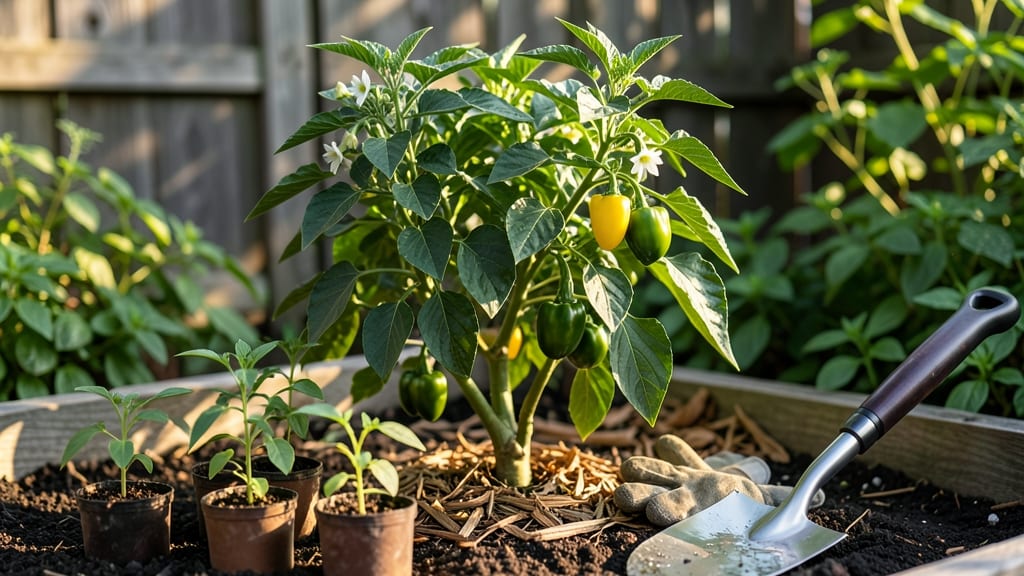
Timing when to plant bell peppers in NC just right can mean the difference between a thriving garden and a sad, frost-killed crop. The perfect window to plant these heat-loving 🌶️ veggies starts after your last frost date—typically between mid-April and early June—but there’s more to it than just dates.
North Carolina’s diverse climate zones (from the Piedmont’s cooler mornings to the Coastal Plain’s humidity) create challenges even experienced gardeners face. Plant too early, and a late frost will wipe out your seedlings. Wait too long, and your peppers might struggle in the heat before they even mature.
I’ll break down the exact planting deadlines for your specific NC region, including soil temperature tricks to get a head start. Whether you’re using transplants or direct sowing seeds, these insights will help you avoid common mistakes and maximize your harvest from July through October.
Ready to grow bell peppers that thrive? Let’s dive into the game-changer strategies that work for NC’s unique growing conditions—no guesswork required.
NC heat Zone planting deadlines: frost-free dates by region
North Carolina’s diverse climate zones mean your last frost date could be weeks apart from a neighbor’s. In the mountains (Zone 6A), like Asheville, the average last frost is May 15, while coastal areas (Zone 8A) like Wilmington see frost-free conditions by March 15.
Timing is everything—plant too early, and a late frost will wipe out your seedlings.
For bell peppers, the golden rule is to wait until the soil reaches 60°F+ and the air temperature stays above 55°F at night. This usually aligns with the last frost date plus 2-3 weeks for safety.
Use a soil thermometer to confirm—cold soil stunts growth, even if the air is warm.
Here’s your region-by-region breakdown of planting windows, based on USDA zones and historical frost data. Bookmark this for quick reference before you rush to the nursery!
| Region | USDA Zone | Last Frost Date | Ideal Planting Window | Soil Temp Requirement |
|---|---|---|---|---|
| Mountains (Asheville, Boone) | 6A | May 15 | May 15–June 1 | 60°F+ |
| Piedmont (Raleigh, Greensboro) | 7A–7B | April 1–April 15 | April 15–May 10 | 60°F+ |
| Coastal Plain (Wilmington, Fayetteville) | 8A | March 15 | March 20–April 15 | 60°F+ |
| Charlotte (Metro) | 7B–8A | March 25 | April 1–April 20 | 60°F+ |
| Western NC (Hickory, Spartanburg) | 7A | April 10 | April 20–May 5 | 60°F+ |
🌡️ Pro Tip: Check your local Cooperative Extension office for micro-climate adjustments—valleys frost later than hills!
If you’re starting seeds indoors, begin them 8–10 weeks before your region’s last frost date. For example, Zone 6A gardeners should sow seeds by March 1 to transplant outdoors by May 15.
Use grow lights to prevent leggy seedlings—natural light alone won’t cut it in NC’s short winter days.
For direct sowing, wait until the soil is consistently 60°F+ and nighttime temps stay above 55°F. Coastal gardeners can plant as early as March 20, while mountain gardeners should hold off until May 15.
Use black plastic mulch to warm the soil faster—this can shave 1–2 weeks off your planting timeline.
Missed the window? Don’t panic. Succession planting every 2 weeks until June 1 ensures a staggered harvest. Just beware: peppers planted after June 15 may not mature before the first frost in fall. In Zone 8A, you can push it to July 1, but expect smaller yields.
One more critical note: Frost dates are averages. A late frost in April can still happen—always have row covers ready. I’ve seen 32°F temps in Raleigh in May, so
How to extend your bell pepper growing season in NC
North Carolina’s short growing season can feel like a race against time for bell pepper lovers. But with the right strategies, you can push your harvests 2-3 weeks earlier or 1-2 months later than the standard window.
The key? Season extension tools and heat-tolerant varieties that thrive in NC’s 6b–8a zones. Let’s break down what works best for your region.
For cooler zones like Asheville (6b) or Mountain areas (5a), focus on early-start methods like cold frames or row covers. In warmer zones like Coastal NC (8a), prioritize late-season heat protection and succession planting to keep peppers producing until October’s first frost.
The right approach depends on your microclimate.
🌱
🌿 Season Extension Methods for NC Bell Peppers
✅ Pros
- Cold Frames: Extends season 3-4 weeks earlier/later; protects from light frosts (28°F).
- Row Covers: Adds 4-6°F protection; lightweight and reusable.
- Succession Planting: Staggered 2-week intervals ensure continuous harvests.
- Heat-Tolerant Varieties: ‘Carolina Wonder’ thrives in 90°F+ heat; ‘Jupiter’ resists blossom-end rot.
❌ Cons
- Cold Frames: Requires daily monitoring to prevent overheating.
- Row Covers: Can trap excess humidity, increasing fungal risks.
- Late Planting: Peppers may mature too slowly in short NC summers.
- Heat Stress: Temperatures above 95°F can cause blossom drop.
If you’re in Zone 7a (Raleigh, Durham) or warmer, start with succession planting every 2 weeks from April 15 to May 30. This ensures a steady supply of peppers from July through October.
For Zone 6b (Asheville, Boone), use cold frames to plant 4-6 weeks earlier than your last frost date.
Heat-tolerant varieties are a game-changer. ‘Carolina Wonder’ and ‘Jupiter’ handle NC’s summer humidity and 90°F+ days better than standard types. Pair them with drip irrigation to avoid blossom-end rot, a common issue in NC’s clay-heavy soils. Mulch with straw or wood chips to keep roots cool and moist.
For late-season extensions, focus on shade cloth (30-50% coverage) to protect peppers from September’s scorching sun. In Coastal NC (Zone 8a), you can often harvest until mid-October with these protections. Just remember: stop fertilizing after August to harden off plants for fall.
🌶️