
Plants
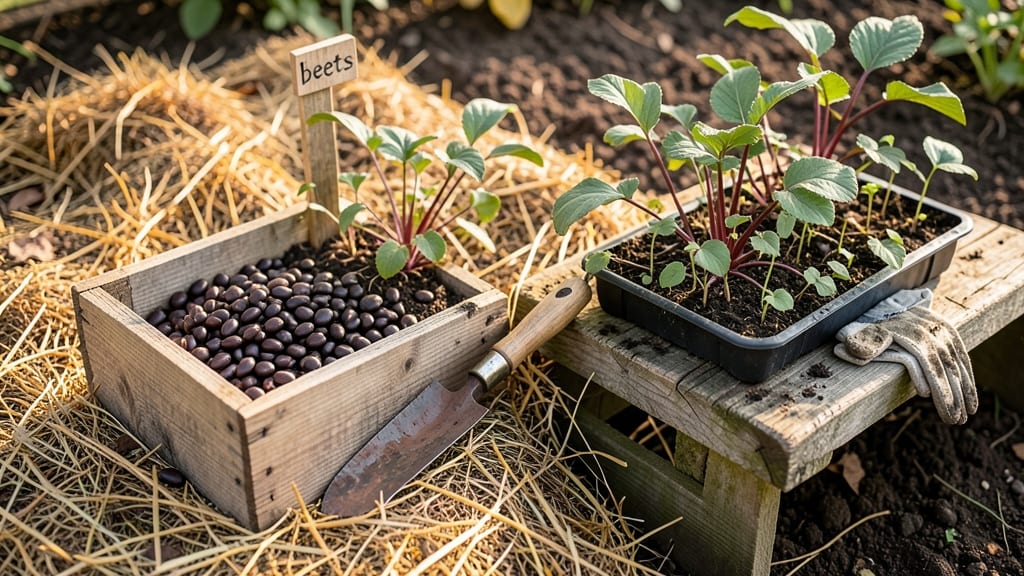
If you've ever planted beets in Arkansas only to watch them bolt into bitter greens or get fried by summer heat, you're not alone. The key to a steady harvest lies in knowing exactly when to plant these 🍠-shaped gems for tender, fast-growing roots.
Arkansas gardeners in zones 7a-8b have two prime windows: early spring (March-April) and late summer (August-September). Plant too early, and frost zaps your seeds; too late, and the heat triggers bolting. Let me show you how to time it perfectly for harvests from May-June and October-November.
We'll cover Arkansas-specific varieties that handle humidity, soil prep tricks for clay-heavy areas, and how to stretch your planting season without sacrificing quality. No more guessing—just reliable, bolt-free beets that grow fast and taste sweet.
Ready to transform your garden into a beet-growing machine? I'll walk you through every step, from frost dates to variety selection, so you can enjoy homegrown harvests all season long.
Arkansas beet planting calendar: frost dates and soil temperature secrets
Arkansas gardeners face unique challenges with beet planting due to its humid summers and variable frost dates. Unlike northern states, Arkansas' USDA Zones 6b-7a offer two ideal planting windows: early spring and late summer. Missing these windows risks frost damage or bolting from heat stress.
Timing starts with soil temperature, not just air temperature. Beet seeds need consistent soil temps between 50-85°F to germinate reliably. In Arkansas, this typically means waiting until mid-March in northern regions and early March in southern areas like Little Rock.
Northern Arkansas (e.g., Fayetteville) has later last frost dates (April 15 average), while southern regions (e.g., Pine Bluff) can plant 2-3 weeks earlier. Use these microclimate differences to your advantage by starting seeds indoors 4-6 weeks before your local last frost date.
For summer planting, aim for late July-August to harvest before fall bolting sets in. Arkansas' high humidity during summer can stress beets, so choose heat-tolerant varieties and provide afternoon shade with shade cloth if temperatures exceed 90°F.
🌱
Arkansas Beet Planting Timeline
| Region | Last Frost Date | Spring Planting Window | Summer Planting Window | Soil Temp Threshold |
|---|---|---|---|---|
| Northern AR (Fayetteville) | April 15 | Mid-March to April 15 | Late July to August 15 | 50-85°F (consistent) |
| Central AR (Little Rock) | March 25 | Early March to April 1 | Early July to August 10 | 50-85°F (consistent) |
| Southern AR (Pine Bluff) | March 15 | Late February to March 30 | Late June to July 30 | 50-85°F (consistent) |
Note: Adjust for microclimates—valleys frost earlier than hillsides.
To extend your harvest, use succession planting every 2-3 weeks during spring and fall. In Arkansas's short growing season, this means planting 3-4 batches of beets in spring alone to ensure continuous harvests from May through November.
For soil preparation, Arkansas gardeners often struggle with clay-heavy soils that compact easily. Amend your beds with compost or aged manure before planting to improve drainage.
Beets prefer loamy soil with a pH between 6.0-7.0, so test your soil in early spring and adjust with lime or sulfur if needed.
💧
Pro tip: Use black plastic mulch in summer to warm soil faster and suppress weeds. This is especially helpful in Arkansas's humid climate, where weeds compete aggressively with young beet seedlings. Remove the mulch once beets are established to prevent overheating.
Remember, Arkansas' first frost typically arrives around November 15, giving you about 210 frost-free days. Plan your final planting 8-10 weeks before the average first frost to ensure mature harvests before cold sets in.
How to avoid bolting: Arkansas-specific beet varieties and succession planting hacks
Arkansas’s humid summers can turn sweet beet roots into bitter, leafy stalks if you’re not careful. Bolting happens when beets sense heat or drought stress, triggering early flowering. The key to avoiding this? Choosing the right varieties and planting strategically to keep roots cool and consistent.
Start with heat-tolerant varieties like ‘Detroit Dark Red’ or ‘Golden’—both handle Arkansas’s summer heat better than standard types. These varieties mature faster, reducing exposure to extreme temperatures. For extra protection, plant them in partial shade using 30-50% shade cloth during peak afternoon heat.
🌱 Pros & Cons: Arkansas Beet Varieties
| Variety | Pros | Cons |
|---|---|---|
| Detroit Dark Red | Heat-resistant, deep red roots | Slower to mature (60 days) |
| Golden | Sweet, tender roots; early maturity | Less storage-friendly |
| Chioggia | Striped roots, unique flavor | Sensitive to heat |
Choose varieties based on your planting season—early spring or late summer/fall.
Succession planting is your secret weapon in Arkansas’s short growing season. Instead of one big planting, sow seeds every 2-3 weeks from March through May and again in August-September. This ensures a steady supply of young beets that bolt less often.
For example, plant your first batch in early March, then follow up with seeds in late March, early April, and so on.
If you’re planting in late summer or fall, focus on varieties like ‘Babybeat’ or ‘Little Ball’—they mature in just 45-50 days, giving them time to grow before Arkansas’s first frost (usually mid-November).
Mulch heavily with straw to keep soil temperatures stable and moisture levels high, which reduces stress triggers for bolting.
Finally, avoid planting beets during Arkansas’s hottest months (June-July) unless you’re using shade cloth. Even then, expect slower growth and potential bitterness. Instead, prioritize spring and fall plantings when temperatures are cooler, and your beets will reward you with sweet, tender roots every time.