
Plants
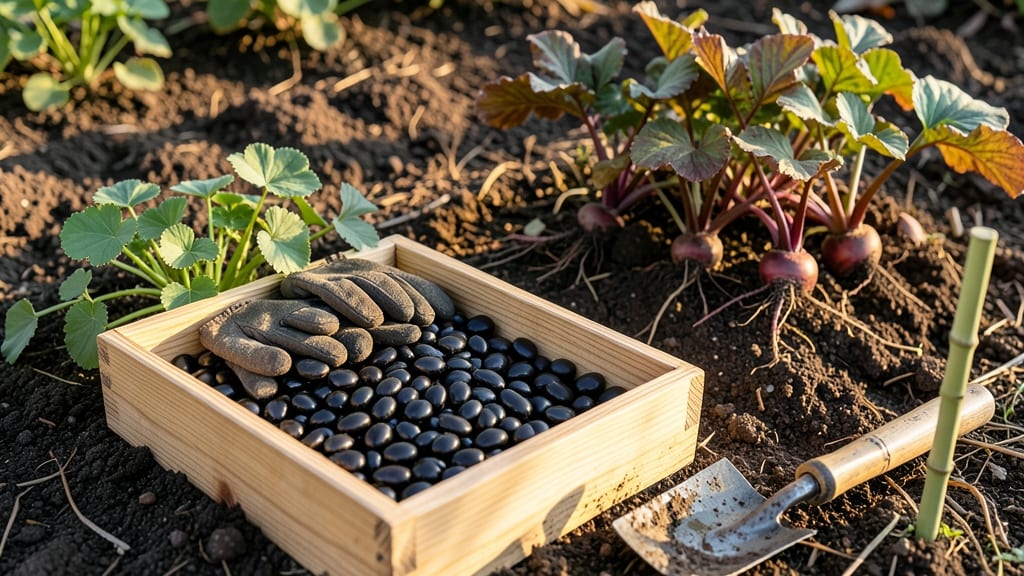
If you're wondering when to plant beets in Kentucky, timing is the secret to sweet, tender roots instead of tough, bitter ones.
Kentucky's unpredictable spring weather can throw off even the most experienced gardeners, but with the right window, you'll get a bountiful harvest of 🍠 that'll make your dinner table shine.
The key is planting early in the season when soil temperatures are cool but warming up—think March to April for spring beets. This timing lets them mature before summer heat sets in, which can cause bolting.
But don't stop there! Kentucky's mild fall also offers a second chance to plant in July or August for a late-season harvest.
Why does this matter? Beets thrive in cooler weather, and Kentucky's USDA Zone 6a climate gives you two perfect opportunities to grow them. Whether you're a seasoned gardener or just starting, these windows ensure you avoid the pitfalls of heat stress and woody roots.
Let's dive into how to make the most of your planting season.
You'll learn how to prepare your soil, choose the right varieties, and even extend your growing season with smart techniques. By the end, you'll have all the tools to grow beets that are sweet, tender, and ready to harvest—just in time for your favorite recipes.
Best planting times for beets in Kentucky’s climate zones
Kentucky’s USDA zones 6-7 offer two ideal windows for growing sweet, tender beets: early spring and late summer. The key is planting when soil temps stay between 45°F and 80°F—too hot, and beets bolt; too cold, and they rot.
Let’s break down the exact timing for Kentucky’s variable climate, including frost dates and soil prep tips.
For spring planting, aim for late March to mid-April—just as soon as the ground is workable (usually after the last frost date, around March 15 in most of Kentucky).
Beets are cold-hardy and can tolerate light frosts, but soggy soil from late-winter rains will delay germination. In northern Kentucky (zone 6a), wait until mid-April to avoid frost damage.
If you prefer fall harvests, plant late July to early August for beets to mature before the first frost (November 15).
This second window avoids summer’s heat stress, which causes bolting. Southern Kentucky (zone 7b) can push planting to early September for a late-fall crop, but monitor weather forecasts for early cold snaps.
Here’s a quick reference for Kentucky’s planting zones and frost-free days:
| Season | Ideal Planting Window | Soil Temp | Days to Harvest |
|---|---|---|---|
| Spring | Late March–Mid-April | 45°F–65°F | 50–60 days |
| Fall | Late July–Early August | 50°F–75°F | 45–55 days |
| Late Fall (Zone 7b) | Early September | 50°F–65°F | 40–50 days |
Direct sowing is best for beets—they hate transplanting and develop tough roots when disturbed.
Scatter seeds ½ inch deep, 1–2 inches apart, and thin seedlings to 3–4 inches apart once they’re 2 inches tall. Kentucky’s clay soil drains poorly, so amend beds with compost or sand to prevent waterlogging, which causes rot.
For transplants (if starting indoors), move seedlings outdoors 2–3 weeks before the last frost and harden them off gradually. But honestly? Skip transplants—beets grow faster and sweeter when sown directly in cool, fertile soil. Just mark your calendar for March 15 and July 15 as your Kentucky beet-planting deadlines!
Pro tip: Use shade cloth if planting in late spring (May)—beets bolt quickly when temps hit 80°F. Start with a 30% shade cloth to buy time for a fall crop. Succession planting every 2 weeks in spring keeps a steady harvest through summer.
Don’t overlook microclimates in Kentucky. Urban heat islands in Louisville or Lexington can be 5–10°F warmer than rural areas, so adjust planting dates 1–2 weeks later if your garden bakes in summer. Always check local frost dates via the UK Ag Weather Center for real-time updates.
Finally, test your soil pH—Kentucky’s clay loves 6.0–7.0. Beets thrive in slightly acidic to neutral soil. If your pH is off, add lime (to raise pH) or sulfur (to lower pH) before planting. Sweet roots start with the right timing and soil!
How to extend Kentucky’s beet-growing season without bolting
Kentucky’s summer heat can turn sweet beets bitter and cause them to bolt prematurely—but with the right strategies, you can enjoy tender harvests well into fall. The key is balancing succession planting, shade protection, and heat-tolerant varieties to keep your beet patch productive.
Start by choosing bolting-resistant varieties like ‘Detroit Dark Red’ or ‘Golden’—these hold up better in Kentucky’s 85°F+ heat waves than delicate heirlooms. For extra insurance, plant a second crop in late July to avoid the worst summer heat while still harvesting before frost.
- 📅 Succession Plant: Sow seeds every 2 weeks from March to July for staggered harvests.
- 🌞 Use Shade Cloth: Install 30-50% shade in August to lower soil temps by 10-15°F.
- 💧 Deep Watering: Soak soil 1-2 inches deep every 5-7 days during heatwaves.
- 🌱 Choose Heat-Tolerant Varieties: ‘Cylindra’ or ‘Chioggia’ handle Kentucky’s humidity better than standard types.
- 🌿 Harvest Greens First: Pick baby leaves to reduce plant stress before bolting.
Another trick is to plant beets near tall crops like corn or sunflowers—they provide natural shade while still allowing 6+ hours of sunlight. Just ensure your soil stays moist but not soggy, as Kentucky’s clay can compact easily when overwatered.
For a late-season boost, try fall planting in early August. Beets sown then mature just in time for October harvests, avoiding the bolting trigger of long daylight hours. Just cover young seedlings with row fabric if a late frost sneaks in.
Remember: Bolting isn’t just about heat—it’s also triggered by long daylight hours. In Kentucky, this means avoiding spring plantings after April 15 unless you’re using shade strategies. With these adjustments, you can enjoy fresh beets from May through November!
Pro tip: Keep a planting journal to track what works best in your specific Kentucky microclimate—soil, elevation, and even nearby trees affect heat retention. Happy growing! 🌿