
Plants
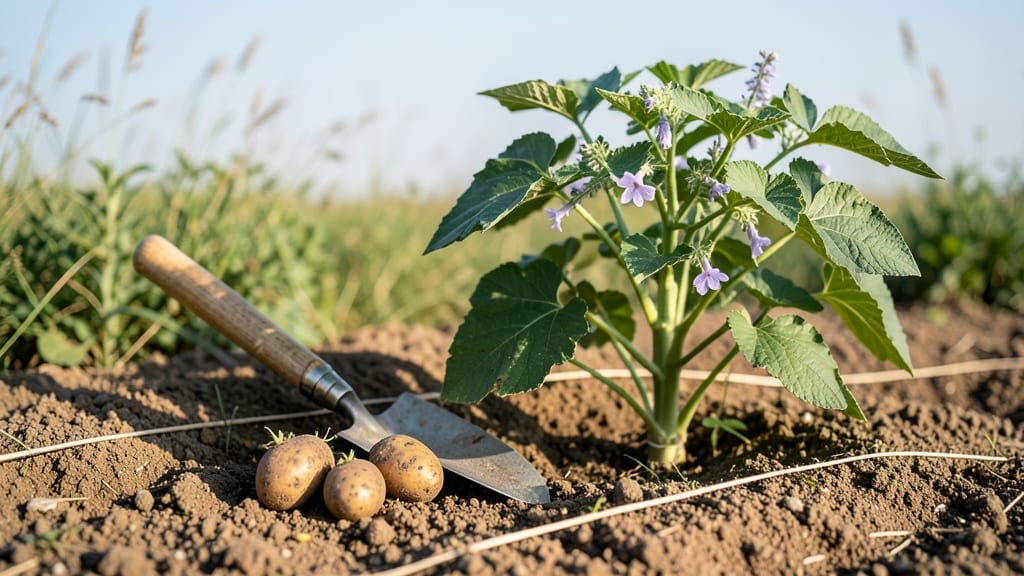
Planting potatoes in Arkansas isn't just about throwing them in the ground—it's about timing them perfectly to beat the last frost while avoiding the state's notorious humidity and heat.
With USDA zones 7a-8b and a growing season that can shift unpredictably, knowing the exact weeks to plant your 🥔 could mean the difference between a thriving harvest and a wasted effort.
Most Arkansas gardeners swear by planting between early March and mid-April, but that window can shift depending on whether you're in the cooler highlands or the warmer southern regions.
The key is preparing your soil 4-6 weeks before the last expected frost—usually mid-March—and choosing varieties that thrive in Arkansas's climate.
If you've ever wondered why some potatoes flourish while others struggle, it often comes down to these timing details. I'll break down the best planting strategies, including how to adjust for Arkansas's unique weather patterns and which varieties perform best in your specific zone.
Ready to turn your garden into a potato powerhouse? Let's dive into the precise planting schedule that will give you the most abundant harvest possible—without the guesswork.
Arkansas last frost dates by zone: exact weeks before planting potatoes for success
Arkansas’s diverse climate—spanning USDA zones 6b through 8a—means your potato planting window varies dramatically from the Ozark Mountains to the Delta region.
In North Arkansas (zones 6b-7a), like Bentonville or Eureka Springs, frost lingers until mid-April, while South Arkansas (zones 7b-8a), such as Little Rock or El Dorado, typically sees the last frost by early March. Planting too early risks frost damage; too late, and your yield suffers.
Let’s break down the exact weeks before last frost for each zone.
The Arkansas Cooperative Extension Service recommends planting seed potatoes 2-4 weeks before your last frost date, but soil temperature matters more than calendar dates. Aim for 45°F+ soil temps—cold soil delays sprouting. Use a soil thermometer to confirm readiness.
For example, in zone 7a (Fayetteville), plant by March 15th; in zone 8a (Jonesboro), you can start as early as February 20th. Adjust for microclimates, like valleys holding frost longer than hilltops.
Here’s how to align your planting with Arkansas’s frost zones and optimal weeks before last frost:
| Zone | Last Frost Date | Planting Window | Weeks Before Frost | Notes |
|---|---|---|---|---|
| 6b (e.g., Mountain View) | Mid-April | Late March | 3-4 weeks | High elevation; use row covers |
| 7a (e.g., Fayetteville) | Early April | Mid-March | 3 weeks | Classic Ozark timing |
| 7b (e.g., Little Rock) | Late March | Early March | 2-3 weeks | Urban areas warm faster |
| 8a (e.g., Jonesboro) | Early March | Late February | 2 weeks | Early start possible |
For North Arkansas gardeners, prioritize early-maturing varieties like ‘Red LaSoda’ (70 days) to avoid late-season heat stress. In South Arkansas, you can stretch planting into late April for fall harvests, using longer-season varieties like ‘Kennebec’ (100 days).
Always check the Arkansas Agri-Weather Network for real-time updates on frost risks. A late frost in April can devastate unprotected plants, so have row covers ready.
Pro tip: Chit your seed potatoes (sprout them indoors) 4-6 weeks before planting to jumpstart growth. Place them in a bright, cool spot (55-65°F) with the rose end up.
This gives you a 2-week head start on the season. Just avoid planting chitted potatoes in frozen soil—wait until temps stabilize above 45°F.
If you’re in a transition zone (e.g., Hot Springs or Pine Bluffplanting later. These areas can experience unpredictable late frosts due to river valleys trapping cold air. Monitor the NOAA Frost Prediction Map and adjust your timeline accordingly.
For example, if the forecast shows a 30% chance of frost after your planned planting date, delay by 1-2 weeks.
For fall planting (September-October), aim to harvest before first frost in November. In zone 7a, plant by August 15th for a 90-day harvest by early November.
In zone 8a, you can extend planting to September 15th. Use fast-maturing varieties like ‘Yukon Gold’ (80 days) to maximize your window.
Remember: Soil temperature > calendar dates. Even if the air is warm, cold soil delays sprouting. Test soil temps with a digital thermometer—potatoes won’t thrive below 45°F. If temps are too low, use black plastic mulch to warm the soil faster. This is especially critical in North Arkansas, where spring soil can lag behind air temperatures by 1-2 weeks
How to adjust planting time for Arkansas’s unpredictable spring weather patterns
Arkansas’s spring weather is famously unpredictable—one day brings frost, the next swelters with 90°F heat. To protect your potato crop, I adjust planting times based on soil temperature (aim for 45°F+) and local forecasts from the Arkansas Agri-Weather Network.
Start with early-maturing varieties if your region has a late frost risk, like the Ozark Mountains.
Use row covers or black plastic mulch to warm soil faster and extend your planting window by 2-3 weeks. These tricks let me plant as early as late February in warmer zones (like USDA 8a), while higher elevations (like Bentonville) wait until mid-March.
Always check the NOAA 7-day forecast before committing to early plantings.
For late frosts (common in April), I plant two batches: one in early March (with row covers) and another in mid-April for insurance. This staggered approach ensures at least one harvest, even if Mother Nature throws curveballs.
In humid southern Arkansas, I prioritize disease-resistant varieties like ‘Red LaSoda’ to combat late-season moisture.
🌱 Pro Tip: Test soil temperature with a soil thermometer—potatoes won’t sprout below 45°F, even if tops look healthy. If temps dip, delay planting or use straw mulch to insulate roots.
Here’s my step-by-step