
Plants
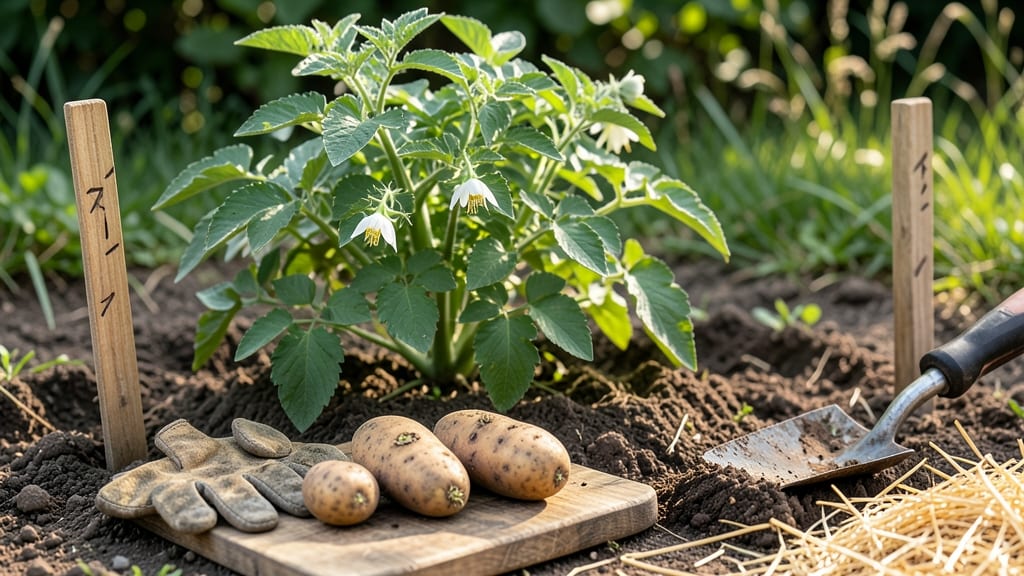
When do you plant potatoes in Oregon? Timing your 🥔 potato planting in Oregon can mean the difference between a bumper crop and a frost-killed disappointment. With the state's varied climate—from the lush Willamette Valley to the dry high desert—knowing the exact weeks before your last frost is the key to success.
Whether you're a first-time gardener or a seasoned grower, getting potatoes in the ground at the right time ensures healthy sprouts and a harvest full of golden spuds. I'll break down the ideal planting windows for your specific region, so you can avoid common mistakes and maximize your yield.
From chitting your seed potatoes to preparing your soil, I'll walk you through every step to set you up for a thriving crop. Let's dive into the best practices for planting potatoes in Oregon—because timing really is everything.
You'll discover how to adjust for microclimates, choose the right varieties, and even extend your growing season with simple tricks. Ready to grow potatoes like a pro? Let's get started.
Oregon potato planting schedule by region: exact weeks before last frost
Oregon’s diverse climate zones mean your potato planting window can vary by hundreds of miles. The Willamette Valley, for example, has milder springs than the High Desert, where frost lingers longer.
To avoid frost damage and maximize yields, I’ll break down the exact weeks before last frost for Oregon’s key regions—plus which potato varieties thrive in each.
First, know that Oregon’s last frost dates range from late April to early June, depending on elevation and location.
For early varieties, plant 4-6 weeks before last frost to ensure tubers form before heat stress sets in. Mid-season varieties need 6-8 weeks, while late varieties can wait until 2-4 weeks before frost—but only in warmer zones like the Coast Range.
Here’s the region-specific breakdown you need to time your plantings perfectly:
🌱 Oregon Potato Planting Windows by Region
| Region | Last Frost Date | Early Varieties (Weeks Before Frost) | Mid-Season (Weeks Before Frost) | Late Varieties (Weeks Before Frost) | Soil Temp for Planting |
|---|---|---|---|---|---|
| Willamette Valley | Late April - Early May | 4-5 weeks (Feb 15 - Mar 15) | 6-7 weeks (Jan 30 - Feb 28) | 2-3 weeks (Apr 15 - May 1) | 45-50°F (7-10°C) |
| Eastern Oregon (High Desert) | Mid-May - Early June | 6-7 weeks (Mar 15 - Apr 1) | 8-9 weeks (Feb 15 - Mar 10) | 4-5 weeks (Apr 15 - May 1) | 50-55°F (10-13°C) |
| Coast Range | Early April - Mid-April | 3-4 weeks (Feb 20 - Mar 10) | 5-6 weeks (Jan 20 - Feb 15) | 1-2 weeks (Mar 20 - Apr 5) | 40-45°F (4-7°C) |
| Southern Oregon (Medford) | Late March - Early April | 4-5 weeks (Feb 1 - Feb 20) | 6-7 weeks (Jan 1 - Jan 25) | 3-4 weeks (Feb 25 - Mar 15) | 45-50°F (7-10°C) |
For Willamette Valley gardeners, I recommend starting early varieties like Red LaSoda in mid-February to harvest by late June. In Eastern Oregon, wait until mid-April for Yukon Gold to avoid late frosts.
The Coast Range is the most forgiving—you can even plant late varieties in March and still get a harvest by August.
Pro tip: Use seed potatoes (not grocery store spuds) for best results. Cut them into 1-inch chunks with at least one eye each, let them chit (sprout) in a sunny window for 2-3 weeks before planting. This gives you a 3-5 day head start on
How to adjust planting time for Oregon’s microclimates and frost risks
Oregon’s diverse microclimates mean your planting schedule should adapt to your specific location. Urban Portland gardens face different frost risks than high-desert areas near Bend, while coastal regions like Astoria enjoy milder winters. Understanding these variations helps you avoid frost damage and extend your growing season.
Start by checking your local frost dates—not just the county average. Urban heat islands in cities like Eugene can delay frost by 1-2 weeks compared to rural areas. Use tools like the National Weather Service’s frost prediction maps or local gardening forums to refine your timing.
For high-altitude areas (above 3,000 feet), plant 4-6 weeks earlier than lowland regions. Cold air settles in valleys, so hillside gardens often have later frost dates. Conversely, coastal zones like the Oregon Coast can plant 2-3 weeks later thanks to moderating ocean influence.
- Urban gardens: Plant 2 weeks before regional averages due to heat retention.
- High desert: Start 6 weeks early for cold soil; use row covers for extra protection.
- Coastal areas: Delay planting by 2-3 weeks—cooler summers suit later varieties.
- Mountain foothills: Plant early varieties (e.g., Yukon Gold) 4 weeks before last frost.
Extend your growing season with row covers or cold frames to plant potatoes as early as February in sheltered spots. These tools raise soil temperatures by 5-10°F, letting you plant 3-4 weeks earlier than outdoor conditions allow. Just remove covers when flowers appear to prevent overheating.
Monitor soil temperature—potatoes thrive when soil reaches 45°F. Use a soil thermometer to confirm readiness, especially in high-desert regions where cold nights delay warming. If soil stays below 40°F, wait or use black plastic mulch to warm it faster.
For late-season planting, choose fast-maturing varieties (e.g., Red Norland) and plant 6-8 weeks before first frost. These can produce small harvests even in shortened seasons. Pair with straw mulch to insulate tubers from early frosts.