
Plants
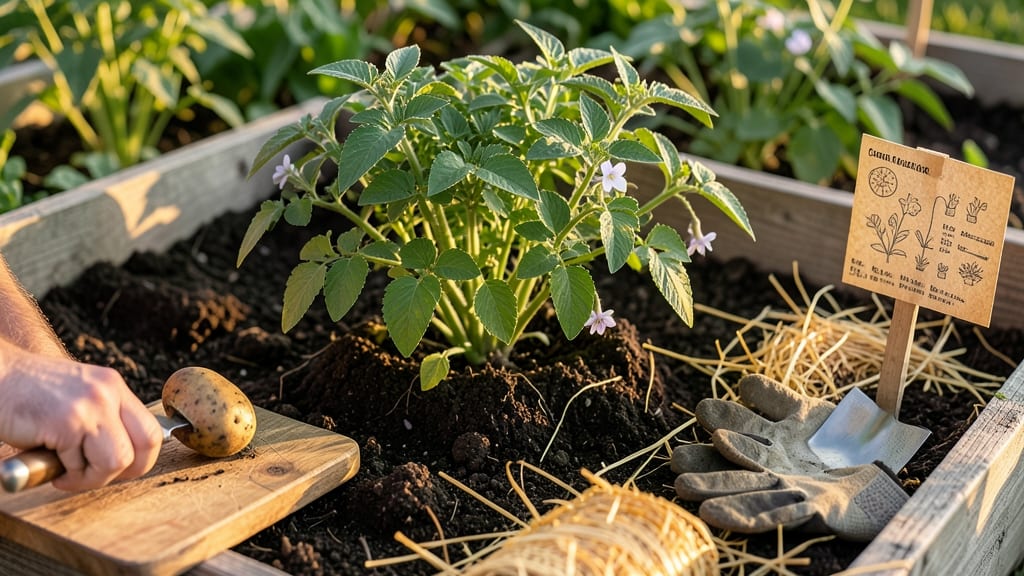
Timing when do you plant potatoes in Idaho can mean the difference between a bumper crop and a disappointing harvest—especially when you're dealing with the state's unpredictable spring weather.
Whether you're a seasoned gardener or just starting out, getting those 🥔 in the ground at the right time is the key to avoiding blight and maximizing yield.
Most Idaho gardeners aim to plant between mid-April and early May, but the exact window depends on your USDA zone (typically 5a-6b in central Idaho) and when your last frost date falls.
Planting too early risks frost damage, while waiting too long can lead to stunted growth or disease. Let me show you how to pinpoint the perfect moment for your region.
In this guide, I’ll break down the ideal planting schedule, including how to adjust for Idaho’s unique microclimates—whether you’re in Boise, Coeur d’Alene, or the high-altitude areas of the Gem State.
You’ll also learn how to protect your crop from late frosts, rain, and other common challenges that can derail your harvest.
By the end, you’ll have a clear strategy to plant your potatoes at the exact right time for your location, ensuring a healthy, abundant crop all season long. Let’s get started!
Idaho’s ideal potato planting timeline by region (with exact frost dates)
Idaho’s diverse microclimates mean your potato planting window can vary by 1-2 weeks depending on elevation and location. For most of the state—especially Boise, Twin Falls, and Caldwell—aim to plant 4-6 weeks before your last frost date, typically mid-April to early May.
Higher elevations like Coeur d’Alene or Sandpoint may need to wait until late April to early June due to later frost risks.
Soil temperature is critical: potatoes need 45-50°F soil temps to sprout consistently. In Idaho, this usually aligns with late April to early May in low desert regions, but May to early June in mountainous areas.
Use a soil thermometer to confirm—planting too early in cold soil delays growth and invites rot.
Here’s the breakdown by region, including historical frost dates and ideal planting windows for early, mid, and late-season varieties:
For staggered harvests, plant successive hills every 2-3 weeks until early June. This ensures a continuous supply of fresh potatoes and reduces blight risks from overcrowded plants.
For example, if you plant April 15, follow with hills on May 1 and May 15 for a 3-month harvest window.
Idaho’s short growing season (only 120–150 frost-free days in most areas) demands precision. Late-season varieties like Russet Burbank need 90–120 days to mature, so plant them by mid-May in northern Idaho. Early varieties like Yukon Gold can tolerate cooler soils and are safer for April planting.
Pro tip: Check Idaho’s USDA Plant Hardiness Zone Map (Zones 4b–7b) and local Almanac frost predictions annually—climate shifts can delay frost dates by 1–2 weeks. For example, Boise’s last frost has crept later in recent years due to warmer winters.
If you’re unsure about your local frost date, use Idaho State University Extension’s frost calendar or ask your county extension office. They track microclimate data that generic apps miss.
For instance, Twin Falls’ frost dates can differ by 10 days from nearby Hollister due to the Snake River Plain’s heat retention.
Remember: Potatoes hate cold soil. If your soil is below 45°F, wait—even if it’s 2 weeks before your frost date. Cold soil slows sprouting and invites blackleg disease, a common Idaho issue. Use a soil warming trick like black plastic mulch if needed.
🥔
How to adjust planting for Idaho’s unique weather challenges (frost, rain, hail)
Idaho’s spring weather can be as unpredictable as a mountain storm—one day warm enough to plant, the next a surprise frost that wipes out your seed potatoes. The key to success? Flexible strategies that protect your crop while working with Idaho’s cool nights and unpredictable rains.
I’ve learned the hard way that rigid planting schedules often fail here, so I’ve adapted my approach to include season extenders and risk assessment tools.
For gardeners in high-altitude areas like Ketchum or Sun Valley (USDA Zone 5a), the last frost date can arrive as late as May 15. Meanwhile, lowland regions like Boise or Twin Falls (Zone 6b-7a) typically see their final frost by April 20.
This 3-week difference means your planting window must be flexible. Start with early varieties like ‘Yukon Gold’ (90-day harvest) in late March for high-altitude zones, then follow up with maincrop varieties like ‘Russet Burbank’ once the soil warms.
Here’s the critical adjustment: Plant in stages. Instead of putting all your seed potatoes in the ground at once, create 2-3 planting waves spaced 2-3 weeks apart. This ensures a staggered harvest and reduces the risk of losing your entire crop to a late frost.
For example, plant 30% of your seed potatoes in late April, another 30% in early May, and the final batch in mid-May. This way, even if one batch gets hit by frost, you’ll still have healthy tubers maturing underground.
⚠️ WARNING: Idaho-Specific Risks
Idaho’s spring rains and late frosts can turn your potato patch into a disaster zone. Here’s what to watch for:
- 🌧️ Too much rain: Waterlogged soil leads to rotten tubers and blight. Use raised beds or mound planting to improve drainage.
- ❄️ Late frost: Even after the official last frost date, temperatures can dip below 32°F. Protect young plants with frost cloth or row covers.
- ☠️ Hail storms: Common in late spring/early summer. Mulch heavily with straw to shield tubers from impact.
Pro Tip: Check the Idaho State University Extension frost forecast weekly for updates.
If you’re planting in March or early April, consider using a cold frame or low tunnel to create a microclimate that’s 5-10°F warmer than the surrounding air. These structures also shield seedlings from windburn and hail, which can shred young foliage.
For gardeners in Zone 5a, a cold frame can push your planting window back by 3-4 weeks, giving you a head start on the growing season.
Another Idaho-specific trick? Hill planting isn’t just for covering tubers—it’s also a frost buffer. By piling soil around the stems as they grow, you create insulation that protects against temperature swings.
Start hilling when plants reach 6 inches tall, then repeat every 2-3 weeks until the plants flower. This method also reduces green tubers, which contain toxic solanine.
For those in dry, eastern Idaho (like Idaho Falls), drought stress can be as big a threat as frost. If you’re planting in sandy soil, water deeply before planting to encourage tuber formation.
Use drip irrigation or soaker hoses to deliver 1-2 inches of water per week without wetting the foliage (which promotes late blight). In wet years, focus on well-draining soil and avoid overwatering—potatoes rot faster than they grow in soggy conditions.