
Companion Plants
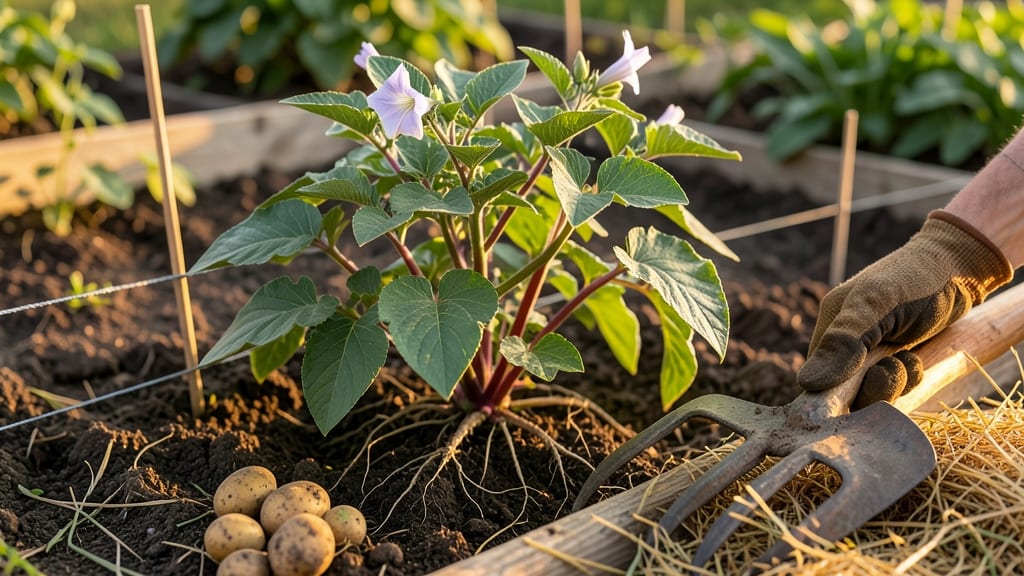
If you’ve ever wondered when to plant potatoes in Georgia, timing is the secret weapon between a bountiful harvest and a sad, wilted pile of 🥔.
Georgia’s climate—especially in zones 7b-8b—means frost dates can vary wildly from north to south, and planting too early or late throws off your entire season.
Let’s cut through the guesswork: The ideal window for spring planting is February–March for early varieties, or April–May for late-season keepers. But here’s the catch—soil temperature and regional frost patterns (like that pesky March 15 average in Piedmont) dictate the real deadline.
Skip the trial-and-error and learn the exact weeks to plant for tubers that thrive, not just survive.
What happens if you miss the mark? Plant too soon, and frost zaps your sprouts. Too late, and Georgia’s summer heat stresses your potato plants before they bulk up.
I’ll break down the critical soil cues, frost-free zone maps, and variety picks that actually work in your backyard—no PhD required.
Ready to turn your garden into a potato powerhouse? Grab your seed potatoes and let’s dive into the step-by-step schedule that’ll have you digging up golden harvests by July. No more second-guessing—just perfectly timed planting.
Georgia’s last frost dates by region: exact weeks to plant potatoes for optimal growth
Georgia’s diverse climate means last frost dates vary dramatically—from mid-February in the Coastal Plain to mid-April in the North Georgia Mountains. To maximize your potato yield, plant 2-4 weeks before the average last frost, ensuring tubers form before summer heat stress hits.
The USDA zones 7b-8b across Georgia create a 6-week window for planting, but timing is critical for early-maturing varieties.
For North Georgia (USDA 7b), like Dahlonega or Blairsville, aim for late March to early April—frost lingers until April 15 on average.
In Central Georgia (USDA 8a), such as Athens or Macon, you can start as early as mid-February, with last frost around March 15.
Meanwhile, South Georgia (USDA 8b), including Savannah or Brunswick, enjoys January to early February planting, as frost rarely hits after mid-February.
Missed your ideal window? Don’t panic! Heat-tolerant varieties like ‘Red LaSoda’ can handle late spring plantings (up to May 1 in North Georgia), but expect smaller yields. For fall harvests, try late summer plantings (August) with row covers to extend the season.
🌱
| Region | USDA Zone | Avg. Last Frost | Ideal Planting Window | Notes |
|---|---|---|---|---|
| North Georgia | 7b | April 15 | Late March–Early April | Use row covers for early starts |
| Central Georgia | 8a | March 15 | Mid-February–Early March | Best for early varieties |
| South Georgia | 8b | Mid-February | January–Early February | Longest growing season |
| Coastal Plain | 8b | Late January | Late December–January | Risk of spring frost |
Check your local frost dates using the National Weather Service or Georgia Climate Project tools—these provide hyperlocal adjustments based on microclimates. For example, valleys in North Georgia may frost 2 weeks later than nearby ridges.
Planting 2-3 weeks early in these areas can give you a head start on tuber formation.
Pro tip: Use frost-sensitive varieties like ‘Kennebec’ in North Georgia to avoid frost damage. In South Georgia, where frost is rare, focus on early-maturing types like ‘Sweetheart’ to beat summer heat. Always monitor soil temperature—wait until it hits 45°F (7°C) for consistent sprouting.
For fall harvests, consider succession planting every 2 weeks starting in April. This stretches your harvest from June to September, giving you fresh potatoes long after the first planting matures. Just be sure to hill soil around stems to protect tubers from late-season heat.
🌡️
Need a backup plan? Container gardening works well for late plantings—use 5-gallon buckets filled with well-draining mix and place them in full sun. This method lets you plant up to June 1 in North Georgia, though yields will be smaller.
Pair containers with lightweight row covers to shield from unexpected frosts.
Remember: Potatoes hate heat stress. If temperatures exceed <
Soil temperature and depth requirements for planting potatoes in Georgia’s climate
Georgia’s clay-heavy soils and humid climate make soil temperature and planting depth critical for potato success. Unlike northern states, our warm winters mean you can start earlier—but only if the soil meets key conditions. Let’s break down what your potato beds truly need to thrive.
First, soil must reach 45°F (7°C) before planting. Use a soil thermometer to check—cold soil delays sprouting and invites rot. In North Georgia (USDA Zone 7b), this usually happens by mid-March, while South Georgia (Zone 8b) can plant as early as late February.
Pro tip: Cover beds with black plastic 1–2 weeks before planting to warm the soil faster.
🌱 Georgia Potato Planting Essentials
| Requirement | Specification |
|---|---|
| Soil Temperature | Minimum 45°F (7°C) |
| Planting Depth | 4–6 inches (eyes up) |
| Organic Matter | 3–5% (compost or aged manure) |
| Drainage | Avoid waterlogging (raise beds if needed) |
| pH Level | 5.0–6.5 (test with kit) |
⚠️ Warning: Planting too deep buries seed eyes, delaying sprouts. Too shallow risks exposure to light, turning tubers green (toxic).
Next, planting depth matters more than you’d think. Bury seed potatoes 4–6 inches deep, with the eyes facing up. Georgia’s clay soil compacts easily, so loosen it with a garden fork before planting.
For heavy clay, mix in sand or compost to improve drainage—waterlogged soil = rotten potatoes. If your yard floods after rain, consider raised beds or mounds.
Don’t forget organic matter! Georgia’s native soil often lacks nutrients. Amend beds with 3–5% compost or well-rotted manure before planting. Skip fresh manure—it burns roots and attracts pests.
For extra insurance, add a balanced fertilizer (10-10-10) at planting, then side-dress with potassium-rich fertilizer when flowers appear to boost tuber formation.
Adjust for early vs. late planting. If you plant in February (South Georgia), prioritize early-maturing varieties like ‘Red LaSoda’ (70 days) to avoid heat stress. For April plantings (North Georgia), opt for ‘Yukon Gold’ (90 days) and use row covers to extend the season.
Always plant 4–6 weeks before your last frost date—this gives tubers time to form before the heat of summer.
Finally, test your soil’s readiness with a simple finger check. After planting, press your finger 2 inches into the soil—it should feel moist but not soggy. If it’s dry, water deeply before covering with 2–3 inches of straw mulch to retain moisture and suppress weeds.
Mulch also protects tubers from scab disease, a common issue in Georgia’s humid summers.
With the right soil prep, your potatoes will sprout within 2–3 weeks and yield abundant harvests by late spring or early summer. Now, let’s talk varieties—because not all potatoes thrive equally in Georgia’s heat! 🥔