
Plants
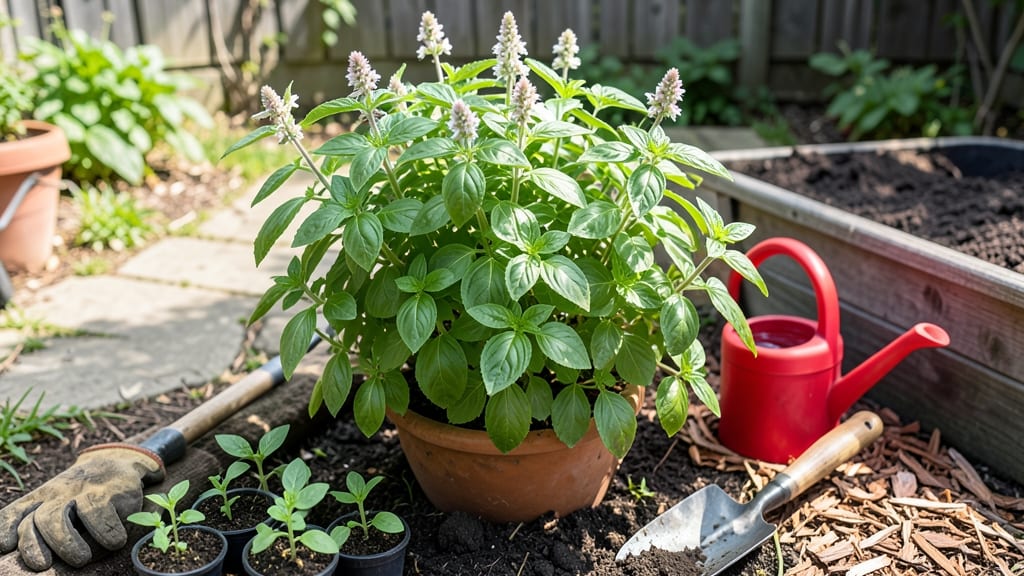
Timing is everything when it comes to growing fragrant basil in Oklahoma’s 7a zone—plant too early, and you risk losing your plants to frost; too late, and the heat zaps their flavor.
The key to lush, productive basil starts with knowing exactly when to put those seeds in the ground for a long, flavorful harvest.
Most Oklahoma gardeners focus on spring planting, but there’s a secret second window in late summer that can give you fresh basil right up until fall.
Whether you’re a first-time gardener or a seasoned green thumb, getting this timing right means the difference between wilted disappointment and a thriving herb garden.
I’ve grown basil in Oklahoma for years, and I’ll walk you through the exact months to plant, how to adjust for your specific microclimate, and why some gardeners accidentally kill their basil before it even gets a chance to grow. Let’s make sure your basil thrives—not just survives.
From avoiding common mistakes to choosing the right varieties for Oklahoma’s heat, you’ll discover how to keep your basil producing flavorful leaves from May through October. Ready to grow basil that tastes like it came straight from a gourmet kitchen?
Oklahoma basil planting calendar: exact months for success
Timing is everything when growing basil in Oklahoma. The USDA Zone 7a climate means you have two prime windows: spring and fall. Planting too early risks frost damage, while waiting too long can lead to bolting from summer heat.
Let’s break down the perfect schedule for lush, flavorful basil all season long.
For spring planting, aim for mid-March to early April after the average last frost date (March 15). Soil temperatures should reach at least 50°F to prevent stunted growth. In Oklahoma’s unpredictable climate, use row covers if nighttime temps dip below 40°F.
Fall planting offers a second harvest window. Start seeds indoors in late July and transplant outdoors by mid-August. This gives your basil plants enough time to mature before the first frost (November 15). Fall basil often tastes sweeter due to cooler nights.
Oklahoma’s summer heat (June-August) can stress basil, but with the right timing, you can still enjoy a continuous harvest. Here’s how to maximize your growing season:
| Season | Planting Window | Key Considerations | Harvest Time |
|---|---|---|---|
| Spring | Mid-March to Early April | Soil temp ≥50°F; protect from late frosts | May–October |
| Fall | Late July–Mid-August | Transplant after soil cools; avoid bolting | September–November |
| Summer Succession | Every 2–3 Weeks (June–July) | Use shade cloth; water deeply daily | July–September |
If you’re growing basil in containers, start seeds indoors 4–6 weeks before your target outdoor date. This gives seedlings a head start in Oklahoma’s variable spring weather. For in-ground planting, direct-sow seeds 1/4 inch deep, spacing them 12–18 inches apart to allow airflow and reduce disease risk.
Pro tip: Use mulch to retain soil moisture during Oklahoma’s dry spells. A 2-inch layer of straw or shredded leaves keeps roots cool and reduces watering frequency by 30%. Just avoid piling mulch against stems to prevent rot.
For urban gardeners with limited space, consider vertical gardening. Basil thrives in hanging baskets or tower gardens, making it perfect for patios or balconies. Just ensure containers have drainage holes and use a lightweight potting mix to prevent root suffocation.
Remember, basil is an annual in Oklahoma, but with proper timing, you can enjoy 3–4 harvests per year. Start early, protect from late frosts, and embrace fall planting for a second flush of flavorful leaves before winter sets in.
Now that you’ve got the perfect planting schedule, let’s tackle the 3 biggest mistakes Oklahoma gardeners make—and how to avoid them—so your basil stays healthy and productive all season.
3 Critical mistakes Oklahoma gardeners make with basil (and how to fix them)
Planting basil in Oklahoma isn’t just about timing—it’s about avoiding common pitfalls that can turn your herb garden into a wilted mess.
I’ve seen gardeners in USDA Zone 7a make these three costly mistakes year after year, and today, I’m sharing how to fix them before they ruin your harvest.
First, many overlook frost dates and plant too early. Basil hates cold soil, and even a light frost can kill seedlings. In Oklahoma, wait until after March 15 when nighttime temps stay above 50°F consistently. Pro tip: Use a soil thermometer to confirm—basil roots won’t thrive below 55°F.
Cold soil stunts growth, making basil prone to disease. Wait for stable 50°F+ soil temps—typically mid-April in most of Oklahoma.
🌱 Fix: Start seeds indoors 4-6 weeks before last frost (early February), then transplant after May 1.
Second, gardeners often ignore heat waves once summer hits. Basil bolts (goes to seed) when stressed by 90°F+ temps, and Oklahoma’s summers can push 100°F+.
The solution? Choose heat-tolerant varieties like Thai basil or Genovese, and provide afternoon shade during peak heat. A simple shade cloth (30-50%) can save your plants.
Third, many skip succession planting, leading to harvest gaps. Basil grows quickly but bolts in 60 days. To keep fresh leaves all season, plant new seeds every 2-3 weeks from March to July. This ensures you always have ready-to-harvest plants while older ones bolt or fade.
Finally, overwatering is a silent killer. Basil needs consistent moisture, but soggy soil causes root rot. Water deeply in the morning (1-2 inches per week) and mulch heavily to retain moisture without drowning roots. In Oklahoma’s clay-heavy soils, raised beds with well-draining mix work best.
By avoiding these mistakes, you’ll enjoy lush, flavorful basil from May through October—no wilted disappointment in sight! The key is patience, variety selection, and adapting to Oklahoma’s extremes. Now go plant with confidence!