
Plants
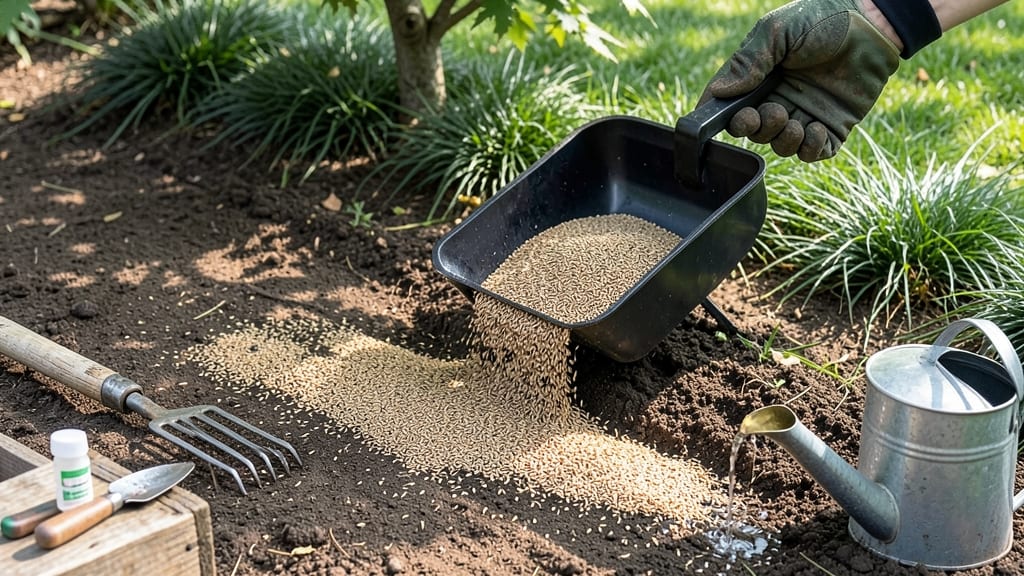
If you’ve ever stared at a patchy lawn and wondered when is the best time to plant grass seed in Maryland, the answer might be simpler than you think: planting it at the wrong time.
Maryland’s 7a-8a climate throws curveballs—too early, and your seeds bake in the sun; too late, and weeds steal the show. But here’s the good news: timing it right unlocks a thick, green lawn with minimal effort.
Most gardeners assume spring is the only window, but Maryland’s ideal months—March-April and September-October—offer cooler soils and steady rainfall, giving grass the perfect start. Fall, especially, is a secret weapon: fewer weeds compete for space, and roots establish deep before winter.
That said, your location matters—Western MD’s drier air demands earlier planting, while Eastern MD’s humidity extends the fall window.
Ready to skip the guesswork? This guide cuts through the confusion with proven strategies for soil prep, seed selection, and watering schedules tailored to Maryland’s microclimates. Whether you’re seeding a new yard or patching bare spots, you’ll learn how to outsmart the weather and grow grass that stays lush year-round.
Let’s dive into the science—and save you from another season of patchy disappointment. Your dream lawn starts with the right timing, and I’ve got the exact steps to make it happen.
Maryland’s ideal grass-seeding windows: spring vs. fall planting compared
Maryland’s USDA zones 6a–8a create a delicate balance for grass seed germination—too early, and frost zaps tender sprouts; too late, and summer heat dries out seedlings.
The best time to plant grass seed in Maryland hinges on two prime windows: early spring (March–April) and fall (September–October), each with distinct advantages. Let’s break down which season wins for your lawn’s success, plus how Maryland’s regional quirks twist the rules.
Fall planting is the gold standard for Maryland lawns because cooler temperatures and consistent rainfall create ideal conditions. Soil stays 50–65°F—perfect for germination—while weeds are less aggressive.
Spring, however, offers a shorter window before summer’s heat sets in, making timing critical. Warm-season grasses (like Bermuda) have a narrow window in late spring, while cool-season grasses (tall fescue, Kentucky bluegrass) thrive in both seasons.
Here’s how Maryland’s climate zones influence your choices: Western MD’s drier springs demand earlier seeding (late February–March), while Eastern MD’s humidity extends fall planting into November. Piedmont’s higher elevation?
Expect 1–2 weeks later for both windows. Misjudge timing, and you’ll face heat stress, drought, or weed takeover—costly mistakes for your wallet and patience.
🌱
Fall’s edge in Maryland comes down to weed suppression and root establishment. When you plant in September, weeds are already slowing down, and your grass gets a head start on nutrients before winter.
Spring planting, while possible, requires pre-emergent herbicides to outpace crabgrass and chickweed. Pro tip: If you choose spring, aim for late March–early April when soil temps hit 50°F consistently.
For warm-season grasses like Bermuda or Zoysia, Maryland’s short window is late May–early June, but these need full sun and heat to thrive. Cool-season varieties like tall fescue or Kentucky bluegrass dominate Maryland lawns because they handle our humid summers and cold winters.
If you’re overseeding, late summer (August) can work for warm-season grasses, but success depends on shade cloth and frequent watering.
Regional tweaks matter: In Western MD (Zone 7a), plant 2 weeks earlier in spring and 1 week later in fall than Eastern MD (Zone 8a). Baltimore’s urban heat island effect?
Start spring seeding 1 week later to avoid premature drying. Always check soil temps with a soil thermometer—50°F is the magic number for germination.
🌿
Ready to pick your window? Fall is the safest bet for most Maryland lawns, but spring can work with extra prep. Next, we’ll dive into soil prep, seed selection, and watering schedules to turn your timing advantage into a thick, green lawn—no patchy surprises. Let’s get your soil ready!
How to prepare your Maryland lawn for perfect grass seed germination
Preparing your Maryland lawn properly before planting grass seed is the difference between a thick, vibrant lawn and a patchy, weed-infested disappointment. Start by testing your soil pH 4–6 weeks before seeding—Maryland’s clay-heavy soils often need lime to raise pH (ideal: 6.0–7.0) for optimal germination.
Use a home test kit or send a sample to your local Cooperative Extension office for precise results.
Once you’ve adjusted the pH, remove all debris—leaves, rocks, and weeds—using a lawn rake or dethatcher. Maryland’s humid summers mean weeds will sprout aggressively, so apply a pre-emergent herbicide 2–4 weeks before seeding to block crabgrass and chickweed.
For organic options, use corn gluten meal, which also acts as a natural fertilizer.
After seeding, mulch lightly with straw or peat moss (¼ inch thick) to retain moisture and protect seeds from Maryland’s erratic spring rains. Water gently but frequently—keep the top 1–2 inches of soil moist (not soggy) for the first 2–3 weeks.
Use a sprinkler with fine mist to avoid dislodging seeds. For a watering schedule, aim for 10–15 minutes/day in the early morning to reduce evaporation and fungal risks.
Finally, avoid foot traffic on new seedlings for at least 4–6 weeks. Maryland’s humidity creates ideal conditions for disease pressure, so monitor for fungal spots (like brown patch) and treat early with copper fungicide if needed.
With this prep, your grass will germinate 7–21 days (depending on variety and weather), giving you a dense, weed-resistant lawn by summer.
Remember: Fall prep (like aerating in September) sets you up for spring success, while spring prep (like pre-emergent in March) keeps weeds at bay during the growing season. Maryland’s climate rewards patience—don’t rush the process! 🌱