
How To
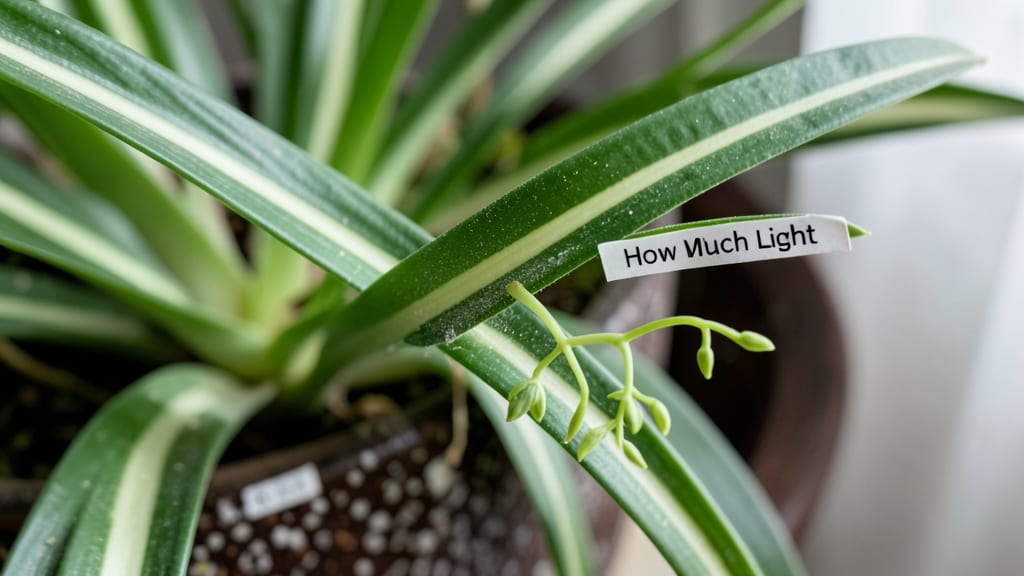
Ideal light levels for spider plants: bright indirect sunlight explained
Spider plants (Chlorophytum comosum) thrive in bright indirect light, making them perfect for indoor spaces with natural light. Too little light causes leggy growth, while too much direct sun can burn delicate leaves.
The key is balancing 4-6 hours of filtered sunlight daily—think of it as morning sun with afternoon shade.
Indirect light means positioning your plant near a window but not in direct rays. For example, a north-facing window provides gentle light, while an east-facing window offers morning brightness without harsh afternoon sun. South-facing windows require extra caution—use a sheer curtain to diffuse intensity.
If you’re unsure about your space, test it with a light meter app or observe how your plant reacts over weeks. Spider plants adapt slowly, so gradual adjustments work best. Avoid placing them near hot lamps or vents, which can stress leaves even with adequate light.
For low-light offices, supplement with a grow light (12–14 hours/day) to mimic natural conditions. LED grow lights with a cool white spectrum work best—place them 6–12 inches above the plant. Rotate the pot weekly to ensure even growth, as spider plants lean toward light sources.
If your spider plant is near a west-facing window, watch for afternoon sun (2–5 PM). Move it back 3–4 feet or add a light-colored curtain to prevent sunburn. Pro tip: Turn the pot occasionally so all sides receive equal light, promoting symmetrical growth and preventing lopsided foliage.
Outdoor spider plants can handle partial shade in gardens (USDA zones 9–11), but they’ll appreciate morning sun and afternoon shade during summer. In colder climates, bring potted plants indoors before temperatures drop below 50°F to avoid stress.
Remember, spider plants are forgiving—they’ll survive in less-than-ideal light but won’t thrive. The goal is bright indirect light that keeps leaves glossy and variegated. Start with a north or east window, monitor for stress signs, and adjust gradually.
With the right light, your spider plant will reward you with lush growth and plenty of spiderettes to propagate! 🌱
Ideal light levels for spider plants: bright indirect sunlight explained
Spider plants (Chlorophytum comosum) thrive in bright indirect light, making them perfect for homes with limited direct sunlight. The key is replicating their natural under-canopy habitat—think dappled sunlight filtering through trees.
Too little light causes leggy growth, while too much direct sun leads to brown leaf tips or crispy edges. Let’s break down the exact light spectrum your plant needs.
Start by identifying your home’s light zones. East-facing windows provide gentle morning sun, while north-facing windows offer consistent indirect light all day. South-facing windows can be too intense unless you place your plant 3-5 feet away from the glass.
West-facing windows are riskiest due to harsh afternoon rays, so avoid placing your spider plant directly in their path.
| Light Intensity | Ideal Conditions | Signs of Stress |
|---|---|---|
| Low Light (<30%) | Dull green leaves, slow growth, stretched stems | Leggy growth, pale variegation |
| Moderate Light (30-50%) | Healthy variegation, compact growth, 4-6 hours indirect light | None (ideal range) |
| High Light (50-70%) | Bright indirect light, 6+ hours daily | Brown tips, crispy edges, yellowing |
| Direct Sun (>70%) | Harsh sunlight, no protection | Scorched leaves, bleached variegation |
For office environments, position your spider plant 1-2 feet from a window—even fluorescent lighting can work if supplemented with a grow light for 12-14 hours daily. Rotate the pot quarter-turn weekly to ensure even growth, as plants lean toward their light source.
A simple trick: If your plant’s leaves are facing the window, it’s getting enough light. If they’re stretched toward the light, it needs more brightness.
Artificial grow lights are a game-changer for low-light spaces. Use full-spectrum LED bulbs (6,500K color temperature) placed 6-12 inches above the plant for 6-8 hours daily. Avoid incandescent bulbs—they emit too much heat and can damage delicate foliage.
Test your setup by monitoring leaf color: Rich green with white stripes means you’re nailing it.
Seasonal adjustments are key. In winter, when sunlight is weaker, move your spider plant closer to a south-facing window or add a grow light for 4-6 extra hours.
In summer, shield it from midday sun (11 AM–3 PM) by using sheer curtains or relocating it to a shadier spot. Observe your plant’s response weekly—adjustments should be gradual to avoid shocking the roots.
Pro tip: Use a light meter (or a free app like Light Meter) to measure 1,000–2,500 lux for optimal growth. If your reading is below 1,000 lux, supplement with artificial light.
Above 3,000 lux, filter the light or move the plant farther away. Your spider plant’s variegated patterns will thank you with vibrant, healthy stripes!