
Plants
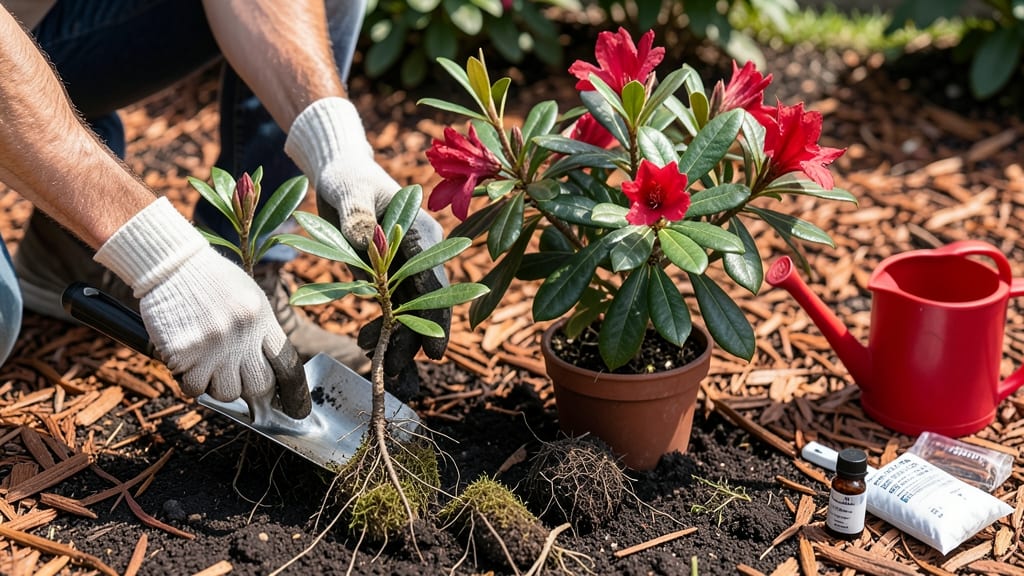
Knowing when to plant azaleas in Zone 9 is the difference between vibrant blooms and struggling shrubs—especially when summer heat can stress young roots. If you’ve ever watched an azalea 🌸 wilt under the sun or fail to thrive, timing is likely the culprit.
Zone 9’s mild winters and long growing season mean you’ve got two prime windows: fall (October–December) or early spring (February–March). Planting in these months lets your azaleas establish strong roots before extreme heat or cold hits, setting them up for years of stunning flowers.
But here’s the catch: summer planting is a no-go unless you’re using containers, which give you more control over moisture and shade. I’ll walk you through the best months, soil prep, and even how to adjust for microclimates—so you can avoid common mistakes and get the best results.
Ready to transform your garden? Let’s dive into the exact steps to plant azaleas for maximum success in your Zone 9 climate.

Optimal planting months for azaleas in Zone 9 climate
Planting azaleas in Zone 9 requires careful timing to avoid the intense summer heat and ensure strong root establishment before winter. The ideal planting window spans from October through December, when soil temperatures cool and rainfall increases—perfect conditions for azaleas to establish roots before dormancy.
For early bloomers, you can also plant in February or March, just as the growing season begins. This timing allows roots to grow before the spring bloom cycle kicks in.
However, avoid planting in summer months, as the heat can stress young plants and lead to transplant shock.
Zone 9’s mild winters and hot summers create unique challenges. Azaleas need time to adapt to their new environment without the added stress of extreme heat or drought. Fall planting gives them 6-8 weeks of root growth before winter slows activity down.
If you miss the fall window, early spring planting in February or March is your next best option. Just be sure to water deeply after planting and keep the soil consistently moist until roots establish.
| Month | Why It Works | Soil Conditions | Care Tips |
|---|---|---|---|
| October | Cooler temps, ideal for root growth before winter. | Warm but not scorching; retains moisture. | Water weekly, mulch heavily. |
| November | Soil cools further, reducing transplant shock. | Moderate temps, higher humidity. | Reduce watering slightly; protect from frost. |
| December | Plant enters dormancy; minimal stress. | Cool soil, minimal evaporation. | Water lightly; avoid disturbance. |
| February | Early growth begins; roots establish before bloom. | Warming soil, increased moisture. | Fertilize lightly; monitor for pests. |
| March | Active growth phase; rapid root expansion. | Warm, moist soil; ideal for blooming. | Water deeply; prune dead blooms. |
If you plant in September, be prepared for hotter soil temperatures and potential drought stress. While possible, it’s riskier than fall planting. Similarly, January or April plantings can work but may struggle with temperature fluctuations or spring heatwaves.
For container-grown azaleas, timing is slightly more flexible. You can plant them in late winter or early spring as long as you protect them from afternoon sun and keep the soil moist. Containers heat up faster, so shade cloth can be a lifesaver during Zone 9’s intense summers.
Pro tip: Test your soil pH before planting—azaleas thrive in acidic soil (pH 4.5–6.0). If your soil is alkaline, amend it with peat moss or sulfur to create the perfect environment for your new azaleas.
Remember, well-established roots mean healthier blooms and longer-lasting plants. With the right timing, your azaleas will reward you with vibrant spring and summer flowers for years to come. 🌸
Key factors that determine the best planting window for Zone 9 azaleas
Zone 9’s mild winters and hot summers create unique challenges for azalea planting. Unlike cooler climates, you must avoid summer heat stress while capitalizing on fall moisture and spring growth spurts.
The ideal window hinges on three critical factors: soil temperature, rainfall patterns, and humidity levels—all of which shift dramatically between seasons.
In Zone 9, soil temperatures above 75°F (24°C) can shock azalea roots, leading to transplant shock. This is why fall planting (October–December) works best—soils cool to 60–70°F (15–21°C), mimicking their native mountainous habitats. Even early spring (February–March) offers a second chance, as soils warm gradually.
Rainfall timing is another game-changer. Zone 9’s dry summers make transplanting risky, but fall’s natural moisture gives young roots a head start. Aim for 2–3 weeks after your region’s last summer downpour to let soils settle. In southern Zone 9 (e.g., Miami), this might mean planting in November; in northern Zone 9 (e.g., Phoenix), October is safer.
⚠️ Avoid These Planting Pitfalls in Zone 9
- Summer Heat: Transplanting in June–August causes root burn and wilting within days.
- Winter Drought: Planting in January risks dry soil if rains stall.
- Overcrowding: Zone 9’s compacted soils need 3–4 feet between azaleas for airflow.
Don’t overlook humidity’s role. Zone 9’s low winter humidity (especially inland) can dry out newly planted azaleas. If your area has below 40% humidity in December–February, consider container planting or mulching with pine straw to retain moisture.
Coastal Zone 9 gardeners have an edge here—ocean breezes naturally increase humidity, reducing stress.
For container-grown azaleas, timing shifts slightly. Since pots dry out faster, plant 1–2 weeks earlier than in-ground varieties to account for frequent watering needs. Choose self-watering containers with drainage holes to prevent root rot, a common issue in Zone 9’s hot, dry spells.
Pro tip: Test your soil’s moisture retention before planting. Dig a 6-inch hole and fill it with water—if it drains within 30 minutes, your soil is too sandy for azaleas.
Amend with peat moss or compost to improve water-holding capacity. This simple step can mean the difference between thriving blooms and struggling shrubs.