
Plants
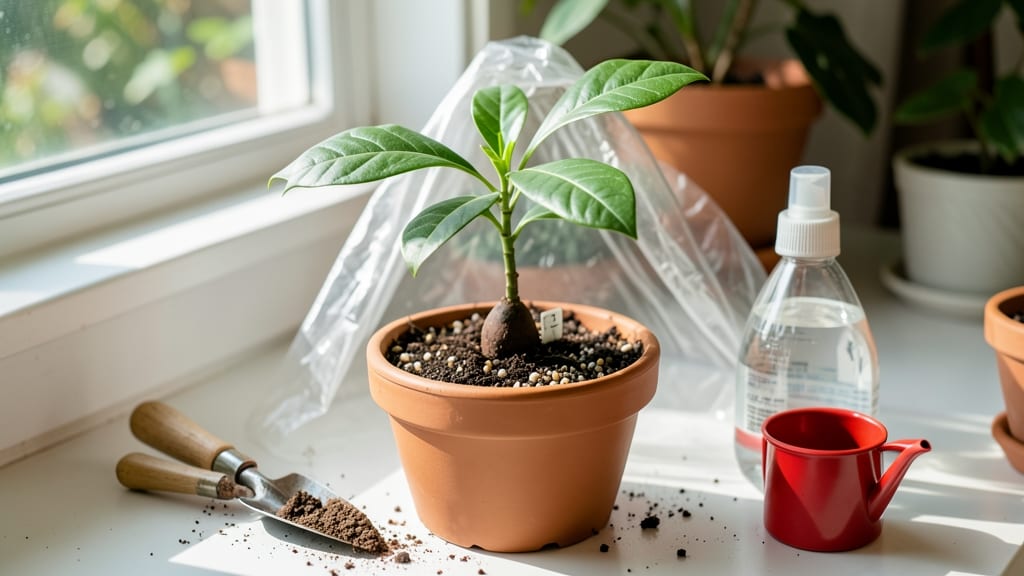
When to plant an avocado seed in the dirt is the critical step that determines whether your little tree will thrive or struggle. Timing this move is the make-or-break moment for your 🥑 tree’s future. Plant too soon, and delicate roots may struggle; wait too long, and your seedling could weaken. The ideal window depends on your climate—especially in USDA Zone 6, where frost is a real threat.
Most gardeners swear by waiting until the seedling has a thick stem (about pencil-width) and 6-inch roots before transplanting. This usually happens 8-12 weeks after germination, but warmer zones may speed it up. The key? Avoid planting outdoors until soil temperatures hit 60°F+—typically April-May in Zone 6.
Don’t rush the process. A seedling with cotyledons only (those first tiny leaves) isn’t ready—wait for true leaves to appear. Skipping this step means weaker roots and slower growth later. Let’s break down exactly when and how to transition your avocado seed into soil for the best chance at survival.
Whether you’re a first-time grower or a seasoned plant parent, getting this step right sets the stage for a healthy, thriving tree. Ready to learn the foolproof method? Let’s dive into the timing and techniques that work.
Optimal germination stages before planting avocado seed in dirt
Timing the transition from water to soil is the most critical step in growing an avocado tree from seed. Most gardeners start by germinating the seed in water, but knowing when to plant avocado seed in dirt ensures your seedling develops a strong root system.
The ideal window occurs when your seedling reaches 6-12 inches tall with a stem diameter of at least 0.5 inches—these are clear signs of readiness.
Avocado seeds typically germinate in 2-8 weeks in water, depending on temperature and humidity. During this time, monitor for root length (4+ inches) and leaf development (true leaves, not just cotyledons).
These milestones indicate your seedling has absorbed enough nutrients from the water and is ready to photosynthesize independently in soil.
One common mistake is transplanting too early—seedlings with underdeveloped roots struggle to adapt, leading to wilting or death. Conversely, waiting too long risks overcrowded roots in the water glass, which can rot.
Aim to plant when roots are dense but not tangled, and the stem is sturdy enough to support itself.
Climate plays a huge role in timing. In USDA Zones 9-11, you can plant outdoors year-round, but most gardeners in Zones 6-8 wait until after the last frost date (typically April-May) when soil temperatures exceed 60°F.
Cooler climates may require starting seeds indoors in late winter for an earlier transplant.
Before planting, harden off your seedling by placing it outdoors for 2-3 hours daily over 5-7 days. This gradual exposure to sunlight and temperature fluctuations prepares it for the transition. Skip this step, and you risk sunburn or shock when planted directly in soil.
🌱 Key Germination Milestones Before Planting
| Stage | Seedling Characteristics | Timeframe | Action |
|---|---|---|---|
| Early Germination | Root sprout (1-2 inches) | 2-4 weeks | Keep in water; change water weekly |
| Root Development | Roots 4+ inches; cotyledons appear | 4-6 weeks | Monitor root health; avoid overcrowding |
| True Leaves | True leaves (not cotyledons); stem thickens | 6-8 weeks | Begin hardening off; prepare soil |
| Planting Ready | 6-12 inches tall; 0.5-inch stem; dense roots | 8-12 weeks | Transplant into soil (spring/summer) |
For gardeners in tropical climates (Zones 10-11), you can plant avocado seeds directly in soil year-round, but they’ll grow faster with warmth and humidity.
In these regions, aim to plant when soil temperatures stay above 65°F for consistent growth. Cooler months may slow germination, so indoor starts are still recommended.
If you’re unsure whether your seedling is ready, check for three key signs: a thickened stem, multiple true leaves, and roots that fill the water container.
These indicate the seedling has stored enough energy to survive the transplant shock. Ignoring these signs often leads to poor root establishment in soil.
Pro tip: Use a clear glass or jar for germination to monitor root growth easily. Once roots reach 4-6 inches, it’s time to transition to soil. This method also helps you avoid root-bound seedlings, which struggle to adapt to new environments.
Finally, remember that avocado seedlings grown from seed are not guaranteed to fruit—they may take 5-13 years to produce avocados, if ever. However, the journey of nurturing a seedling into a tree is just as rewarding as the potential harvest.
Plant at the right stage, and you’ll set your young tree up for long-term success.
Optimal germination stages before planting avocado seed in dirt
Your avocado seed won’t survive long in water alone—it needs soil to develop a robust root system. The key is waiting until your seedling shows two key readiness signs: a thickened stem (about 0.5 inch diameter) and roots reaching 6+ inches long.
This usually takes 4-8 weeks, depending on warmth and humidity. Rushing this stage risks weak roots that can’t support the plant in soil.
Monitor your seedling’s growth closely. A healthy avocado seedling will have 3-5 true leaves (not just the initial seed leaves) and a firm, upright stem. If roots grow too long in water, they’ll become root-bound and brittle, making transplantation difficult.
Trim excess roots gently with clean scissors if they exceed 8 inches before planting.
| Stage | Key Milestones | Timeframe | Action Required |
|---|---|---|---|
| Early Growth | Sprouting, 1-2 seed leaves | 1-2 weeks | Keep in water; no soil yet |
| Root Development | Roots 3-6 inches, stem thickens | 3-5 weeks | Prepare soil mix; avoid transplanting |
| Transplant Ready | 6+ inch roots, 3+ true leaves, 0.5" stem | 6-8 weeks | Plant in soil; use root stimulator |
Timing your transplant depends on your climate zone. In USDA Zones 9-11 (tropical/subtropical), you can plant outdoors as early as February-March when soil temps hit 60°F+. For Zones 6-8, wait until after your last frost date (typically April-May) to avoid cold damage.
If frost is still a risk, keep your seedling indoors near a south-facing window until late spring.
Never plant your avocado seed directly into soil without pre-germinating it in water. Direct sowing leads to rotten seeds or seedlings that can’t break through hard soil. The water stage is critical—it lets you inspect root health and control growth conditions before committing to soil.
Think of it as a training period for your seedling’s survival skills.
If your seedling stalls in water (e.g., no new growth for 2+ weeks), it may need a warmth boost. Place the jar near a heat source (like a sunny windowsill or under a grow light) to encourage faster development.
Avoid overcrowding multiple seeds in one jar—each needs space to breathe and develop strong roots.
Pro tip: Use a clear jar for germination so you can monitor root growth daily. Once roots hit 6 inches, it’s time to transition to soil. Hold off longer, and you risk root circling (a common issue where roots grow in tight loops, strangling the plant).
This is why patience pays off—your seedling’s long-term health depends on this careful timing.