Plants
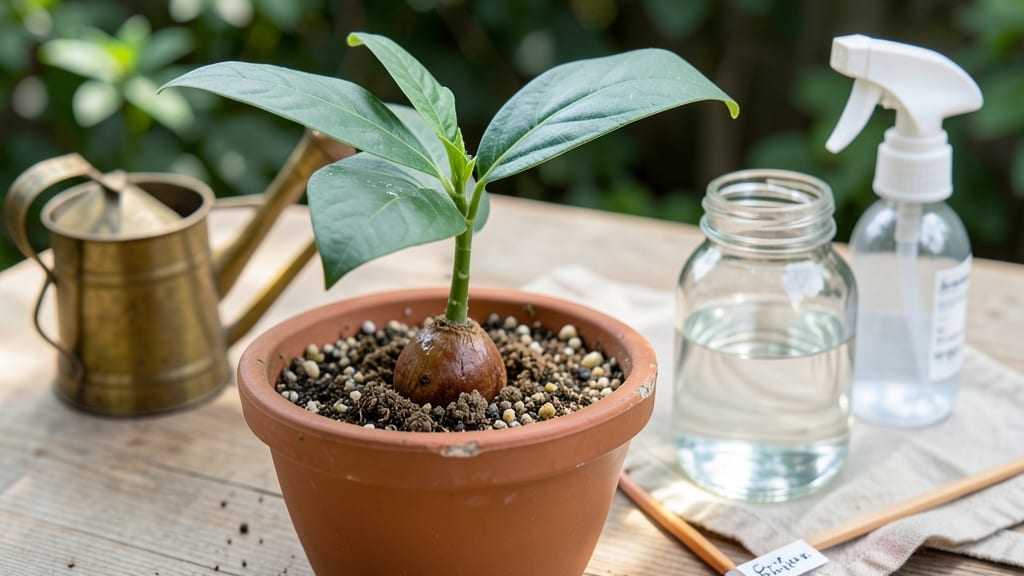
Planting an avocado seed in soil at the wrong time can mean the difference between a thriving 🥑 tree and a sad, rotting mess. The key isn't just when—it's understanding your climate, soil warmth, and even humidity levels to give your seed the best shot at life.
Most gardeners assume spring is the only window, but the truth is more nuanced. Whether you're in a warm tropical zone or a cooler region, timing your planting to match soil temperatures (ideally 70°F or above) is the game-changer.
I'll break down the exact seasonal cues and climate-specific rules to avoid common pitfalls like mold or stunted growth.
You might think patience isn't a factor, but rushing the process can kill your seed before it even sprouts. The right moment comes when your seed has developed a sturdy root system and a few leaves—signs it's ready to transition from water to soil.
Let me show you how to spot these signs and prepare your seed for a smooth planting.
From indoor starters to outdoor beds, I'll cover everything you need to know to maximize your 90% germination success rate. Whether you're a beginner or a seasoned gardener, these tricks will help you grow a healthy avocado tree that stands a chance to bear fruit one day.
Optimal timing for planting avocado seeds in soil (by climate zone)
Timing your avocado seed planting is the single most critical factor for success. Unlike most plants, avocado seeds thrive best when transplanted into soil after roots reach 2-3 inches—not immediately after germination. This ensures a strong, resilient seedling ready for soil conditions.
Your climate zone dictates the perfect window. In USDA Zones 9-11 (tropical/subtropical), you can plant directly outdoors in late winter to early spring (February-March) when soil temperatures hit 60°F+. For Zones 7-8, wait until after the last frost (April-May) to avoid cold shock.
In cooler zones (Zones 5-6), start seeds indoors in January-February and transplant outdoors only after all frost risk passes (typically June). Avocado seeds are sensitive to cold—below 50°F can stunt growth or kill the seedling.
Here’s the key rule: Soil must be warm (at least 65°F) and moist but well-draining when you plant. Test with your finger—if the top inch feels cool, wait. If it’s damp but not soggy, your seedling is ready for the transition.
For container growing, timing is flexible—plant anytime indoors as long as you provide 6+ hours of sunlight daily and maintain 70°F+ temperatures. This is ideal for gardeners in Zones 3-6 who want to grow avocados year-round.
Pro tip: Use a soil thermometer to check temperatures. If your soil is below 60°F, your seedling will struggle to establish roots. In hot climates (Zones 10-11), plant in early spring to avoid summer heat stress.
Watch for new leaf growth before transplanting—this signals the seedling has strong enough roots to handle soil. If leaves yellow or wilt, wait 1-2 more weeks before planting.
Remember: Patience is key. Avocado seeds can take 4-8 weeks to germinate, and rushing the soil transition often leads to failure. Let your seedling develop roots first, then plant when conditions are ideal.
Once planted, mulch around the base to retain moisture and regulate soil temperature. This is especially critical in dry or hot climates where soil can dry out quickly.
Optimal timing for planting avocado seeds in soil (by climate zone)
Timing your avocado seed planting is the difference between a thriving seedling and a failed experiment. Unlike direct soil planting, avocado seeds need a pre-germination phase in water—typically 4-8 weeks—before transitioning to soil.
The key is planting in soil when your seedling shows 2-3 inches of roots and 2-3 true leaves, signaling it’s ready for nutrient-rich soil.
Your climate zone dictates the best time to plant. In USDA Zones 9-11 (tropical/subtropical), plant outdoors in early spring (March-April) when soil temperatures hit 60°F+. For Zones 7-8, wait until mid-spring (May) to avoid late frost damage.
In Zones 3-6, start seeds indoors in late winter (February) and plant outdoors only after all frost risk passes (June).
Soil temperature is non-negotiable. Use a soil thermometer—ideal temps are 65-75°F. Cold soil (<50°F) causes root rot, while scorching heat (>85°F) stresses young roots. In containers, you can plant slightly earlier (late April) since pots warm faster than ground soil.
| Climate Zone | Outdoor Planting Window | Soil Temp Requirement | Prep Tips |
|---|---|---|---|
| Zones 9-11 | Early spring (March-April) | 60°F+ | Acclimate seedlings to sun gradually |
| Zones 7-8 | Mid-spring (May) | 65°F+ | Use black plastic mulch to warm soil |
| Zones 3-6 | Late spring (June) | 70°F+ | Start indoors 8-10 weeks before last frost |
| Containers | Late April (earlier than ground) | 55°F+ | Use well-draining mix + heat mat |
Watch for seasonal cues like blooming jasmine (Zone 9+) or dandelions (Zones 3-8) to confirm safe planting. These indicate stable warmth. If your area has unpredictable weather, err on the side of delaying—avocado seedlings are resilient and can wait a few weeks in water.
Pro tip: Hardening off is crucial. Move seedlings outdoors for 2-3 hours/day for 7-10 days before full transplant. Start with morning shade and gradually increase sun exposure to avoid leaf scorch. Use a cloche or shade cloth if your climate swings between hot days and cool nights.
Remember, patience is key. Rushing the process leads to transplant shock, while waiting too long risks overgrown roots that tangle in pots.
Aim for a 2-3 inch root ball with bright green leaves—that’s your cue to plant in soil and give your avocado seedling the best start possible. 🌱