
Planting
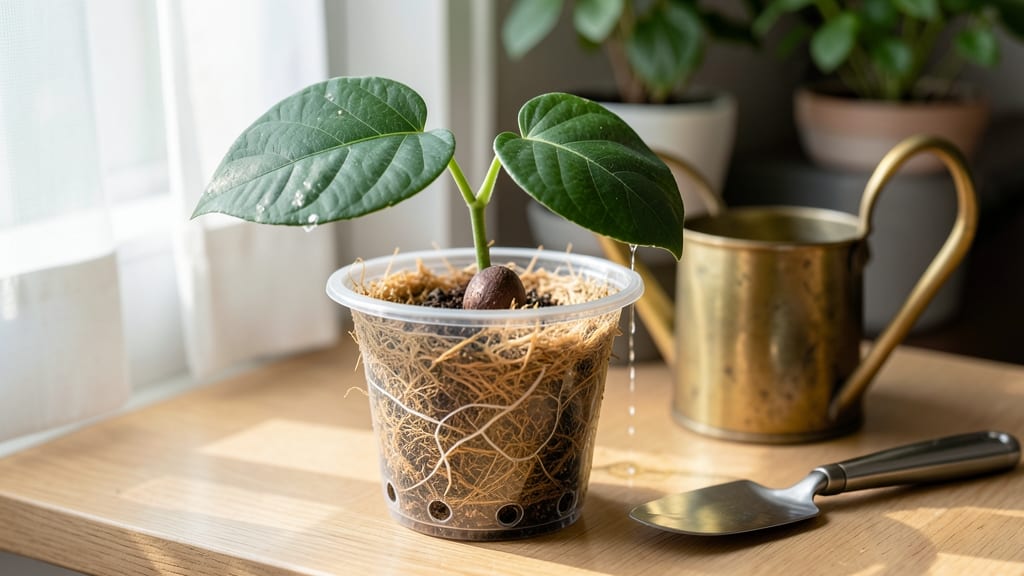
When should I put my avocado plant in soil? Timing the move of your 🥑 avocado plant from water to soil is one of the most critical steps—and getting it wrong can mean the difference between a thriving tree and a sad, stunted houseplant. If you plant too soon, delicate roots may not be ready for soil stress, while waiting too long risks overgrown roots that struggle to adapt.
Most gardeners swear by the 3-4 inch root rule as the golden standard, but there’s more to it than just measuring. You’ll also need to consider your climate—Zone 6a growers should aim for spring planting after the last frost, while warmer regions can transplant year-round with proper care.
In this guide, I’ll walk you through exactly how to check your avocado’s readiness, the best soil mix for healthy growth, and common mistakes that kill young plants.
Whether you’re a first-time grower or looking to refine your technique, these insights will help you avoid the pitfalls and give your avocado the strong start it deserves.
Ready to give your plant the perfect home? Let’s dive into the science—and save your avocado from the most common transplanting disasters.
How to check avocado root growth before planting in soil
Timing is everything when transferring your avocado plant from water to soil. The golden rule is waiting until roots reach 3-4 inches in length. This ensures your seedling has developed a strong root system to support growth in soil.
Smaller roots may not anchor well, leading to transplant shock or even death.
Start by gently removing your avocado pit from its water jar. Run your fingers along the roots to feel their length and density. Look for white or light tan roots—dark or mushy roots signal rot from overwatering. Healthy roots should also branch slightly near the base of the pit.
Another key sign is root density. If roots are tightly packed around the pit and extending outward, your plant is ready. Sparse or wispy roots mean more time in water. Remember, patience here prevents future problems like stunted growth or poor nutrient uptake.
🌱
| Root Stage | Length | Root Color | Branching | Action |
|---|---|---|---|---|
| Early Growth | Under 2 inches | White or pale | Minimal | Keep in water |
| Developing | 2-3 inches | Light tan | Slight branching | Monitor closely |
| Ready to Plant | 3-4 inches | White/tan | Moderate branching | Prepare soil |
| Overgrown | Over 4 inches | Dark or mushy | Excessive | Risk of rot |
Seasonal timing also matters. In USDA Zone 6a, aim to transplant between April and May, after the last frost date. If you're in a warmer climate, you can plant year-round, but avoid extreme heat or cold.
For indoor growers, use a grow light to simulate sunlight if natural light is limited.
Before planting, trim any roots longer than 4 inches to encourage a balanced root system. Use clean, sharp scissors to avoid damaging the plant. This step reduces transplant shock by preventing overgrowth that can't absorb nutrients efficiently.
Test your soil's drainage by filling a container with your chosen mix and pouring water through it. If water pools at the bottom after 10 minutes, your mix drains too slowly.
Avocados hate soggy roots—amend with perlite or sand if needed. Well-draining soil prevents root rot, the #1 killer of young avocado plants.
Place your avocado pit in the prepared soil at a 1-inch depth, with the widest part of the pit just below the soil surface. This ensures the pit doesn't rot while allowing new roots to grow downward. Water lightly after planting to settle the soil without displacing the roots.
💧
After transplanting, keep your avocado in bright, indirect light for the first week to reduce stress. Gradually introduce it to full sun over 2-3 weeks. Avoid fertilizing for 4-6 weeks—new roots are sensitive to nutrients and may burn.
Instead, focus on consistent watering and humidity control, like placing a tray of water nearby.
Watch for new leaf growth in 2-3 weeks, a sign your plant is adapting. If leaves yellow or wilt, it may be adjusting to its new environment.
This is normal, but severe wilting could indicate underwatering or transplant shock. Adjust care accordingly to keep your avocado on track for healthy growth.
How to check avocado root growth before planting in soil
Timing is everything when moving your avocado plant from water to soil. The golden rule is waiting until roots reach 3-4 inches long. This ensures your plant has developed a strong root system to support growth in soil.
Smaller roots may struggle to adapt, leading to stunted development or even death.
Start by gently lifting your avocado pit from its water jar. Look for dense, white roots that branch out from the base. Healthy roots should feel firm and slightly rubbery—not mushy or brown. If roots are sparse or under 2 inches, give them another 2-4 weeks in water.
Root color is your second clue. White or pale yellow roots are ideal, signaling vigor. Dark brown or black roots indicate root rot, a fungal issue from overwatering. If you spot this, rinse the roots in hydrogen peroxide (3%) for 10 minutes before replanting.
Root branching is another key sign. Multiple secondary roots (smaller roots growing off the main ones) show your plant is ready. Fewer than 3-4 main roots with minimal branching means it’s not time yet. Patience here prevents transplant shock.