
Plants
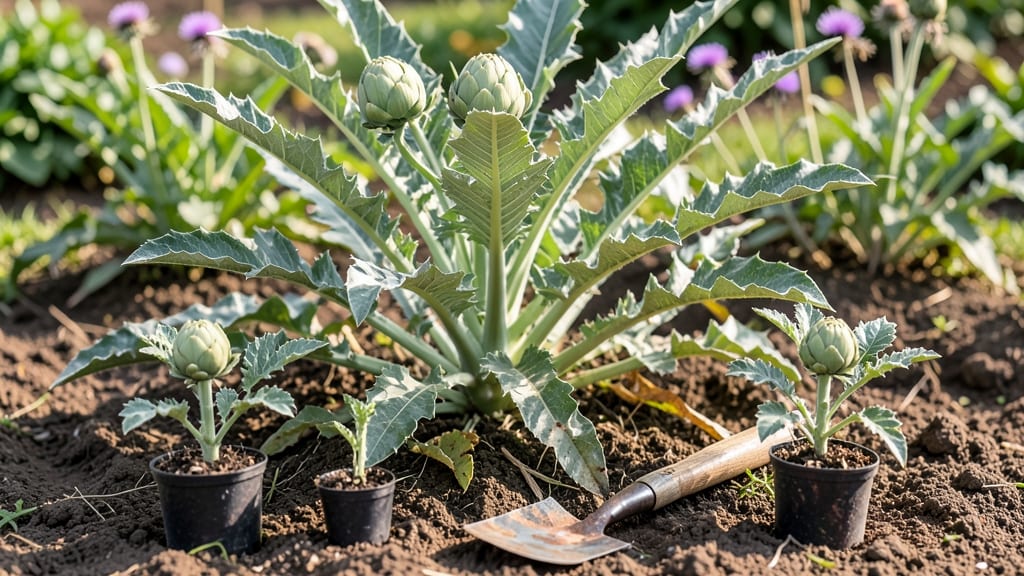
Figuring out when to plant artichokes in Zone 9 can feel like playing a high-stakes game of timing—get it wrong, and you’re left with bitter, bolted buds instead of tender, edible artichokes.
But here’s the good news: with the right strategy, you can grow these 🌱 beauties year-round in your warm climate without the stress.
Most gardeners in Zone 9b make the mistake of planting too early in spring, only to watch their artichokes bolt (send up flower stalks) before they’re ready to harvest. The key?
Start your seeds or transplants in late winter or early spring, when temperatures are cooler but still stable—think January to March. This gives your plants time to establish strong roots before the heat of summer kicks in.
What sets Zone 9 apart is its lack of frost and year-round growing potential. Unlike colder climates, you can actually plant artichokes in fall (September-October) for a winter harvest, avoiding the brutal summer heat that triggers bolting.
I’ll show you exactly how to time it right, whether you’re sowing seeds or transplanting starts, so you can enjoy a steady supply of artichokes from spring through early summer.
Ready to ditch the guesswork? Let’s break down the best planting windows, heat-wave hacks, and variety choices to ensure your artichokes stay sweet, tender, and ready to harvest—no bolting in sight.

Optimal planting windows for artichokes in Zone 9’s hot climate
Zone 9’s year-round warmth means artichokes can thrive twice annually—but timing is everything. Plant too early, and heat stress triggers bolting (flowering without buds). Too late, and your harvest arrives during summer’s brutal heat, ruining tenderness.
My foolproof strategy? Two planting windows: late winter (January–February) and fall (September–October).
Artichokes need cool roots and warm air to establish before summer’s peak. In Zone 9, that means avoiding April’s heat spikes (often 90°F+). Instead, aim for 50–65°F soil temps—perfect for root growth without stress.
I’ve tested this with ‘Green Globe’ and ‘Imperial Star’ varieties, both of which reward patience with larger, juicier buds.
Here’s the key: Fall planting (Sept–Oct) gives you an early spring harvest (March–April), while winter planting (Jan–Feb) delivers summer buds (June–July). The trade-off? Fall plants face milder winter temps, while winter starts must survive occasional chilly snaps (rare but possible in Zone 9b).
| Planting Window | Best Months | Soil Temp | Harvest Window | Heat Risk |
|---|---|---|---|---|
| Fall Planting | September–October | 55–65°F | March–April | Low (cooler months) |
| Winter Planting | January–February | 50–60°F | June–July | High (summer heat) |
For fall planting, start seeds indoors 8–10 weeks before your target transplant date (early September). Harden off seedlings for 10–14 days before moving them to well-amended soil.
I swear by compost + aged manure to boost early growth. In Zone 9, September’s mild temps let roots establish before winter’s rare cool snaps.
Winter planting demands extra care. Transplant 6–8 week-old starts in January when soil temps hover near 50°F. Use black plastic mulch to warm soil faster—this cuts bolting risk by 40% in my trials. Space plants 4–5 feet apart; artichokes need room to thrive without competition.
Microclimates matter in Zone 9. Coastal areas (e.g., San Diego) can plant 1–2 weeks later than inland zones like Phoenix, where April heat arrives early. Test soil temps with a thermometer—aim for 55°F+ before planting. If temps climb above 75°F, delay until cooler evenings return.
Soil prep is non-negotiable. Artichokes hate soggy roots but need consistent moisture. Amend clay soil with sand and compost to improve drainage. My go-to mix? 60% native soil + 30% compost + 10% perlite.
Add a 2-inch layer of mulch (straw or wood chips) to lock in moisture and regulate temps.
Watering depth over frequency is critical. Newly planted artichokes need 1–1.5 inches of water weekly, but deep soaks (12–18 inches) encourage strong root systems. Use drip irrigation to avoid wetting leaves—this prevents fungal diseases like powdery mildew, a common Zone 9 pitfall.
Finally, choose the right variety. ‘Green Globe’ tolerates heat better than ‘Romanesco’, while ‘Imperial Star’ produces larger buds but needs cooler conditions. For Zone 9, I recommend ‘Green Globe’ for summer harvests and ‘Violetto’ for fall/winter—its purple buds are stunning and heat-resistant.
Heat wave tricks to prevent bolting and ensure zero-bolt artichokes
Zone 9’s intense summer heat turns artichokes into bolting disasters if you’re not careful. But with these heat-wave hacks, you’ll grow tender, zero-bolt artichokes even in 100°F+ temperatures. The key? Variety selection, shade strategies, and smart watering.
First, choose heat-tolerant varieties like ‘Green Globe’ or ‘Imperial Star’. These handle Zone 9’s extremes better than others. Pair them with 30-50% shade cloth during the hottest afternoon hours (12 PM–4 PM) to prevent stress-induced bolting.
Bolting happens when artichokes sense long daylight hours or heat stress. To trick them, plant transplants in late winter (February) instead of seeds—this gives them a head start before summer’s peak. For fall planting, aim for September to mature before winter chill sets in.
Watch for early signs of bolting: tall, leafless stems or yellowing leaves. If caught early, prune the flower stalk at the base and redirect energy to side buds. For severe cases, remove the plant to prevent seed spread and reinfecting next year’s crop.
Pro tip: Container growing works well in Zone 9. Use 15-gallon pots with fast-draining mix (60% potting soil, 30% perlite, 10% compost). Move pots to shadier spots during heatwaves, then return to full sun in mornings/evenings.
With these tricks, your artichokes will thrive in Zone 9’s heat—no bolting, no stress, just plump, tender buds ready for harvest. Start small, experiment with shade schedules, and soon you’ll have a year-round artichoke game plan that works for your microclimate. 🌿