
Trees
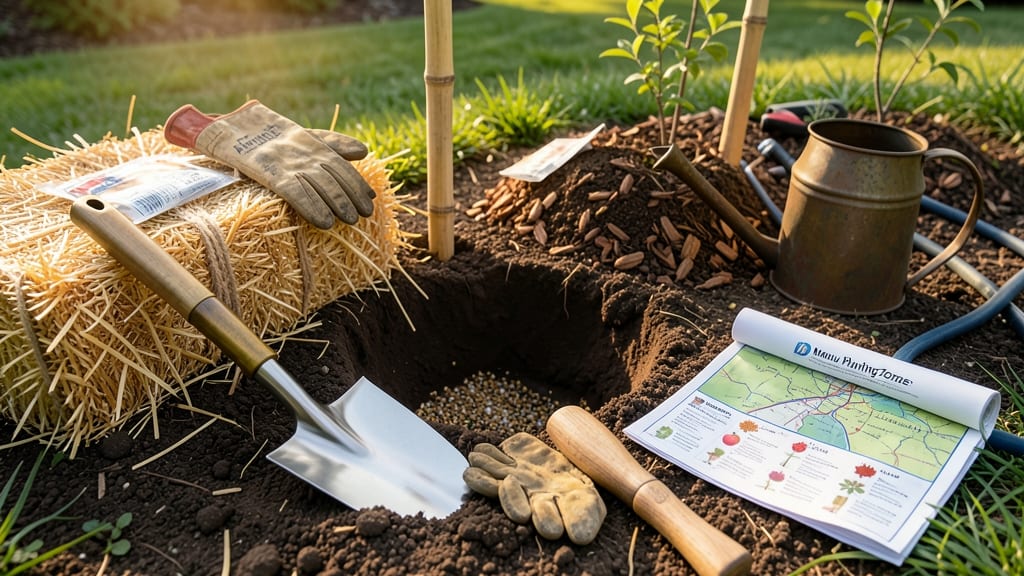
If you’ve ever wondered when is the best time to plant trees in Missouri despite your best efforts, the answer might be as simple as choosing the wrong season.
Missouri’s 5b-6b climate offers two prime windows for tree planting—fall or early spring—but getting the timing wrong can mean the difference between a thriving shade provider and a sad, stunted sapling.
I’ve spent years helping Missouri gardeners like you navigate these decisions, and the key isn’t just about picking a season—it’s about understanding how your specific USDA zone plays into the equation.
Whether you’re in St. Louis’s humid lowlands or Kansas City’s drier uplands, the perfect planting window depends on soil temperatures, frost dates, and even tree species.
In this guide, I’ll break down exactly when to plant in Missouri, from the ideal months for bare-root vs. container-grown trees to how to prep your soil for maximum survival.
You’ll discover why fall planting often gives trees a head start, and how early spring can be a game-changer for certain varieties.
Ready to give your new tree the best possible start? Let’s dive into the science—and the simple steps—so you can plant with confidence, no matter where you are in the state.
Missouri’s ideal tree planting windows: spring vs fall by USDA zone
Missouri spans USDA zones 5a-7a, creating distinct planting windows for your new trees. The golden rule is to plant when soil temperatures are above 40°F but below 85°F—this gives roots time to establish before extreme heat or cold.
In northern Missouri (zones 5a-5b), aim for late April to early June or September to October, while southern Missouri (zones 6a-7a) can extend planting into November or even March.
Fall planting is often preferred in Missouri because cooler temperatures reduce transplant shock, and rainfall increases in autumn, helping roots settle. However, bare-root trees must be planted while dormant—typically November to early March—before buds swell.
Evergreens like arborvitae or pine need extra care in zone 5a due to winter desiccation risks.
Spring planting (March-April) gives trees the entire growing season to establish, but avoid planting after May in most zones—late spring saplings may struggle with summer drought or competed soil moisture from weeds.
In St. Louis (zone 6a), the ideal window is September 15-October 15 or March 15-April 15, aligning with local frost dates.
Missouri’s microclimates add complexity: Urban areas like Kansas City (zone 6a) can experience earlier last frosts (mid-April) than rural southwest Missouri (zone 7a), where November planting may still work. Always check your local cooperative extension service for 10-year frost averages—these vary by just 1-2 weeks across the state.
Deciduous trees like oak or maple thrive when planted in fall because their roots grow even in cool soil, while evergreens (e.g., spruce or fir) need spring planting to avoid winter burn.
Missouri’s clay-heavy soils in zones 5a-6a also mean amending with compost is critical—especially in urban areas where compaction is worse. Always dig a test hole 2-3 times wider than the root ball to check drainage.
Pro tip: Use mulch 3-4 inches deep (but keep it 6 inches away from the trunk) to retain moisture and regulate soil temperature. In drought-prone southwest Missouri (zones 6b-7a), deep watering every 7-10 days is non-negotiable during the first growing season.
For container-grown trees, planting is possible year-round except in extreme heat (>90°F) or cold (<20°F).
Missouri’s unpredictable weather means flexibility is key. If you miss the ideal window, container-grown trees can be planted in late winter (February) as long as the ground isn’t frozen.
Just water thoroughly and protect with burlap if early frosts threaten. The best time to plant is when your local nursery’s bare-root section is fully stocked—that’s your cue!
For fastest establishment, pair planting with mycorrhizal fungi (available at garden centers) to boost root growth. In zone 5a, windbreaks are essential—young trees can dry out quickly in exposed sites. Always stake only if necessary (e.g., for top-heavy species like willow) to avoid girdling the trunk.
Remember: Missouri’s planting success hinges on soil prep, timing, and species
Missouri’s ideal tree planting windows: spring vs fall by USDA zone
Missouri spans USDA zones 5b through 7a, meaning your planting timeline should align with local frost dates and soil conditions. In northern Missouri (zones 5a-5b), like in St. Joseph, aim for late April to early May in spring or October to early November in fall.
Meanwhile, southern Missouri (zones 6a-7a), such as Springfield, can plant as late as mid-November due to milder winters.
Spring planting gives trees a full growing season to establish roots before winter, but fall planting (6-8 weeks before first frost) is often preferred because cooler temps reduce transplant shock.
For example, a white oak planted in September in zone 6a will have a head start on root growth before dormancy.
| USDA Zone | Best Planting Months | Soil Temp Threshold | Key Consideration |
|---|---|---|---|
| 5a-5b (North) | April-May, Sept-Oct | 50°F+ | Late frosts common |
| 6a (Central) | March-April, Oct-Nov | 55°F+ | Moderate drought risk |
| 7a (South) | Feb-April, Nov | 60°F+ | Humidity increases fungal risk |
In northern Missouri, prioritize fall planting for deciduous trees like maple or hickory—their leaves will signal when to plant (aim for after leaf drop).
For evergreens, such as arborvitae, plant in early spring to avoid winter desiccation. Southern Missouri gardeners can extend fall planting into November but should avoid late spring due to summer drought risks.
Missouri’s clay-heavy soils in many regions (like St. Louis) require amending with compost before planting.
Test your soil’s pH (ideal: 6.0-7.0) and adjust with lime or sulfur as needed. Container-grown trees can be planted year-round (except winter), but bare-root trees must go in during their dormant season—spring or fall.
Don’t overlook local microclimates. Urban areas like Kansas City may experience heat islands, while rural Ozark regions stay cooler longer. Use a soil thermometer to confirm 50°F+ soil temps before planting—this ensures roots won’t freeze or overheat.
After planting, mulch heavily (3-4 inches) with shredded bark to retain moisture and regulate soil temperature. Water deeply once weekly (10-20 gallons per tree) for the first year, and avoid fertilizing until spring to prevent root burn.