
Trees
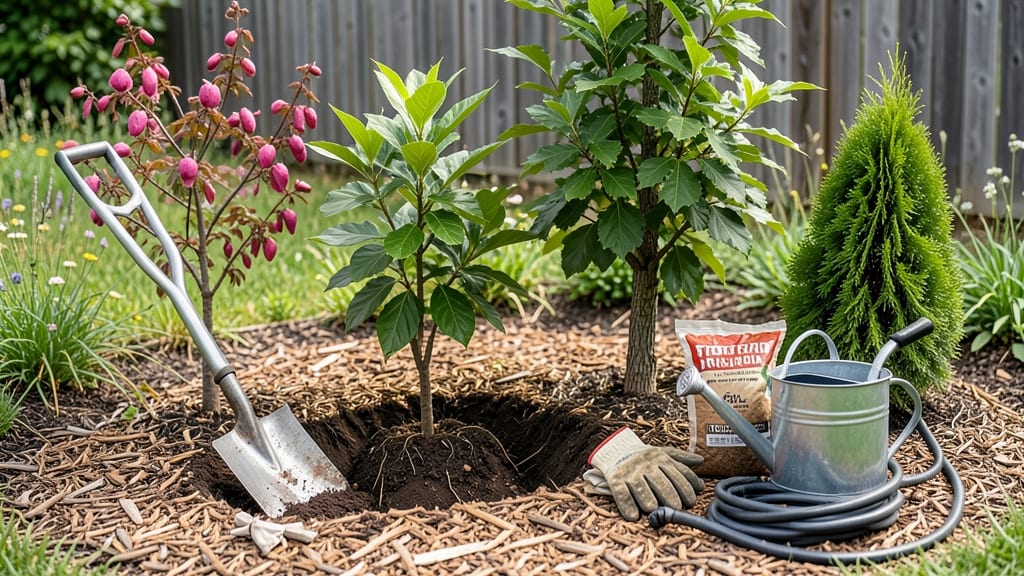
When is the best time to plant trees in Oklahoma? Knowing the answer can make the difference between a thriving 🌳 and one that struggles to take root. The state's shifting seasons—from scorching summers to unpredictable freezes—make timing everything for long-term success.
Fall and early spring are your best bets, but even then, Oklahoma's microclimates (like the drier western panhandle vs. the wetter eastern regions) demand precision. Plant too early, and your tree might not establish roots before winter; too late, and summer heat could stress it out.
I'll break down the best months for planting, factoring in soil temps, frost dates, and even tree species—because an oak and a pine don’t play by the same rules. Let’s get your trees off to the strongest start possible.
Whether you're a seasoned gardener or a first-timer, these insights will help you avoid costly mistakes and give your trees the fighting chance they deserve in Oklahoma’s ever-changing climate.
Oklahoma’s ideal tree planting seasons: month-by-month survival guide for strong root establishment
Oklahoma’s unpredictable weather—from scorching summers to sudden freezes—makes timing critical when planting trees. The best windows are fall (October–November) and early spring (March–April), when soil is workable and rainfall supports root growth.
These months align with USDA Zones 6a–8a, ensuring your tree establishes before extreme heat or cold arrives.
In western Oklahoma (e.g., Panhandle), where winters are harsher, focus on late fall planting (November) to beat early frosts.
Meanwhile, eastern Oklahoma (e.g., Tulsa) can extend spring planting into mid-April due to milder conditions. Soil temperature is your best guide: aim for 40–60°F—cool enough to slow weeds but warm enough for roots to grow.
🌳 Visual Guide: Below is a month-by-month breakdown of Oklahoma’s planting seasons, including soil conditions, rainfall, and regional adjustments to maximize survival rates.
For bare-root trees, fall planting is ideal—they enter dormancy naturally, reducing transplant shock. Container-grown trees, however, can be planted year-round (except December–February) since their roots aren’t exposed. Native species like redbud or eastern red cedar thrive when planted in fall, while fruit trees (e.g., pecan) prefer
Critical factors that determine the best planting time for your Oklahoma tree species
Oklahoma’s diverse climate zones (USDA 6a-8a) and unpredictable weather mean the best planting time depends on your tree species. Deciduous trees like oak or maple thrive when planted in fall or early spring, while evergreens such as pine or cedar prefer late fall to early winter to avoid summer stress.
Native species like eastern red cedar or pecan also adapt better to Oklahoma’s drought-prone soils when planted during cooler months.
Soil temperature plays a critical role. For most trees, root establishment happens best when soil temps are between 50°F and 70°F. In Oklahoma, this typically means October through April, but western regions like Panhandle may need adjustments due to earlier freezes.
Always check local frost dates—planting too late in spring risks heat stress, while late fall planting can expose young roots to winter desiccation.
Water availability is another key factor. Oklahoma’s variable rainfall means trees planted in spring (March-April) need consistent irrigation during dry spells, while fall-planted trees benefit from natural winter moisture. Drought-tolerant species like mesquite or Texas red oak can handle less frequent watering once established, but young trees still require deep, weekly watering during their first year.
🌳 Pros & Cons of Oklahoma Tree Planting Seasons
| Season | Pros | Cons |
| Fall (Oct-Nov) | Cool soil, natural rainfall, less competition | Risk of winter drought stress |
| Early Spring (Mar-Apr) | Warmer soil, active growth starts | Late freezes can damage new shoots |
| Late Spring (May-Jun) | Longer daylight for recovery | Extreme heat stress, high evaporation |
💡 Tip: Container-grown trees can be planted year-round in Oklahoma, but bare-root trees must follow seasonal rules.
Don’t overlook soil conditions.
Oklahoma’s clay-heavy soils in eastern regions (like Tulsa) drain poorly, while sandy soils in western areas (like Lawton) dry out quickly. Test your soil’s pH—most trees prefer 6.0-7.5—and amend with compost or sulfur as needed. Native species like American sycamore or blackjack oak are already adapted to Oklahoma’s challenging soils, making them ideal choices for low-maintenance planting.
Finally, consider tree size and maturity. Bare-root trees (cheaper, smaller) must be planted during dormant seasons (fall or early spring), while container-grown trees (larger, established roots) offer more flexibility.
In Oklahoma, spring-planted container trees can outperform fall plantings if you’re in a drought-prone zone, as their established root systems handle summer heat better.
By matching your tree species, soil type, and local microclimate with Oklahoma’s planting windows, you’ll give your new tree the best shot at thriving—no matter where you live in the state. Native species are your best bet for low-water, high-survival results! 🌿