
Companion Plants
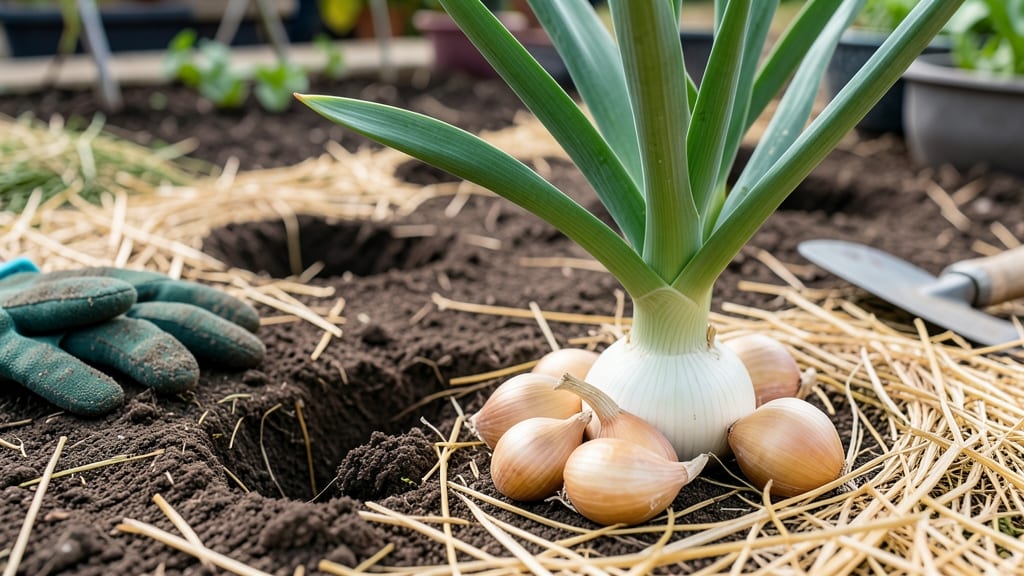
If you're asking "when should I plant garlic in Zone 6", timing is everything—because planting your 🧄 too early or late could mean the difference between a garden full of plump bulbs and a total flop.
Zone 6's chilly winters and unpredictable springs demand precision, and hardneck garlic (the best variety for this climate) has specific needs that most gardeners overlook.
Most gardeners in Zone 6a/6b swear by planting in October or early November, but why? The secret lies in giving your garlic enough time to establish roots before the ground freezes—without letting it sprout too soon.
Too early, and you risk weak growth; too late, and winter might stall its development entirely. Let me show you the exact window that works best for your region.
Beyond just the calendar, soil temperature and frost dates play a huge role. We'll break down how to check your soil's readiness, when to adjust for early or late frosts, and even whether a spring planting could work in a pinch.
With these insights, you'll never second-guess your planting schedule again.
Ready to grow garlic that rivals the farmers' market? Stick around—I'll walk you through every step, from soil prep to the first signs of harvest, so you can enjoy those bold, flavorful cloves come summer.

Best planting months for garlic in Zone 6: hardneck variety guide
If you're growing hardneck garlic in Zone 6, timing is everything. Unlike softneck varieties, hardnecks need a cold winter period to form those prized cloves and scapes. In Zone 6, fall planting is your golden window—but getting it wrong can mean small bulbs or no harvest at all.
For most of Zone 6 (6a/6b), the ideal planting window is between mid-October and early November. This gives garlic roots time to establish before the ground freezes, while still exposing it to 40-60 days of cold temperatures (below 40°F) needed for bulb development.
🌱 Zone 6 Garlic Planting Timeline
- 1 Mid-October: Plant hardneck garlic when soil temps drop to 40-50°F (use a soil thermometer).
- 2 November: Adjust for early frosts—plant 4-6 weeks before ground freeze (Zone 6 typically freezes by mid-November).
- 3 December-January: Mulch heavily (4-6 inches) to protect from freezing, but leave tops exposed for winter sunlight.
- 4 March-April: Remove mulch when soil thaws; scapes emerge first (harvest these in May-June).
- 5 July-August: Harvest bulbs when lower leaves brown and tops flop (240 days after planting).
What if you miss fall planting? Spring planting is possible in Zone 6, but results are so-so. Plant softneck varieties (not hardnecks) in early spring (March-April), but expect smaller bulbs since they won’t get the cold vernalization needed for hardneck quality.
Pro tip: Use a soil thermometer to confirm temps. Aim for 40-50°F at 4-inch depth—this is your sweet spot for root establishment before winter. If temps drop below 32°F within a week of planting, your garlic may struggle to root.
Zone 6 gardeners in warmer microclimates (e.g., near lakes or urban areas) can push planting to early December, but late November is safer. Conversely, those in colder pockets should plant by late October to avoid frozen soil.
For hardneck varieties like ‘Music,’ ‘German White,’ or ‘Silverskin’, fall planting is non-negotiable. These need cold stratification to form bulbs. Softnecks (like ‘Artichoke’) can handle spring planting, but they’re better suited for Zones 7+.
Remember: Garlic planted in fall in Zone 6 will harvest in late July or August—just in time for summer cooking! But if you wait until spring, you’ll miss the flavor and bulb size that cold weather delivers.
Key factors that determine your Zone 6 garlic planting window
Your Zone 6 garlic planting window isn't just about checking a calendar—it's about understanding three critical factors: soil temperature, frost dates, and daylight hours. These elements work together to create the perfect conditions for hardneck garlic to establish roots while avoiding premature sprouting or winter damage.
First, soil temperature is your best friend. Garlic cloves need soil between 40°F and 50°F to sprout properly. If the soil is too warm (above 50°F), your cloves might shoot up too quickly, leaving them vulnerable to winter cold.
Use a soil thermometer to check—this is non-negotiable for success in Zone 6.
Next, frost dates dictate your planting deadline. In Zone 6, the last frost typically occurs around November 15, but this can vary by 1-2 weeks depending on your exact location.
Aim to plant 4-6 weeks before the ground freezes—this gives your garlic enough time to root but not enough to sprout before winter sets in.
🌱 Zone 6 Garlic Planting Factors
- Soil Temp: 40°F–50°F (use a thermometer!)
- Frost Window: Plant by November 15 (adjust for early/late frost)
- Daylight: 10+ hours of daylight triggers sprouting
- Root Depth: Cloves need 6+ inches of loose soil
- Adjust for Warm Springs: If spring arrives early, plant hardneck varieties (they handle cold better)
Don't overlook daylight hours—garlic cloves need 10+ hours of daylight to trigger sprouting. In Zone 6, this means planting in late fall when days are shorter. If you plant too early (like in September), your garlic might sprout before winter, only to get damaged by frost.
Finally, soil preparation ties into timing. Loose, well-draining soil is essential for root growth. If your soil is still warm or compacted when you plant, your garlic won't establish properly. Work in compost or aged manure 2-3 weeks before planting to give your soil time to cool and improve.
Pro tip: If you're unsure about your frost dates, check your local USDA Plant Hardiness Zone Map or ask your cooperative extension service for precise data. Every 5-10 miles can shift your frost window by a week!