
Plants
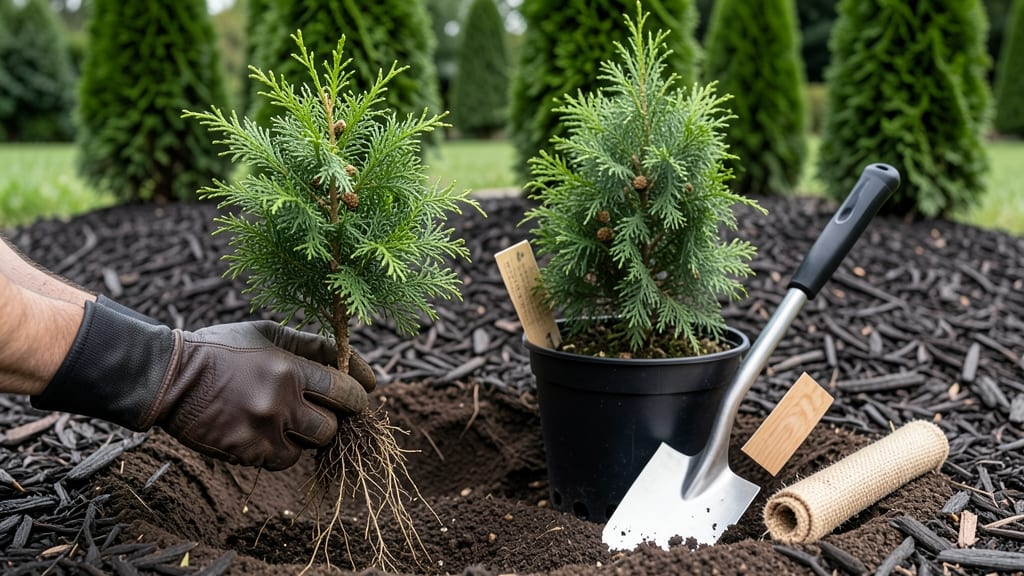
If you're wondering when to plant arborvitae in Michigan, timing is everything—especially when your evergreen 🌲 needs to establish strong roots before winter's harsh freeze. Michigan's 5b-6b climate means you've got a narrow window to get it right, whether you're planting in early spring or late fall.
Most gardeners swear by planting in early spring (March-April) when the soil warms up but before the heat of summer sets in. This gives your arborvitae a full growing season to settle in before winter hits.
But fall planting (September-October) also works if you choose cold-hardy varieties and protect them from early frosts.
Here's the key: avoid planting when the ground is frozen or too wet, as this can lead to root rot or shock.
I'll show you how to pick the perfect spot, prep the soil, and choose varieties that thrive in Michigan's unpredictable winters, so your arborvitae grows into a lush, long-lasting privacy screen.
Ready to get started? Let's break down the best months, soil prep tips, and how to give your arborvitae the best chance for success—no matter what Michigan throws at it.
Best planting months for arborvitae in Michigan’s climate zones
Michigan’s USDA zones 5b-6b create a narrow window for planting arborvitae—but timing matters more than you might think. Unlike tropical plants, arborvitae thrive when planted during cooler shoulder seasons, where roots establish before winter dormancy or summer heat stress.
The ideal window spans from early spring (March-April) to early fall (September-October), aligning with soil temperatures between 40°F and 60°F.
Spring planting (March-April) gives young roots 6-8 weeks to establish before Michigan’s first frost (mid-October on average). Fall planting (September-October) offers similar benefits—roots grow slowly but avoid summer drought. The key? Avoid planting in extreme heat or deep freeze, which stresses tender roots.
Containerized arborvitae handle spring planting better than bareroot varieties, which need moist soil to prevent desiccation.
Here’s how Michigan’s microclimates affect timing:
- Northern Michigan (Zone 5b): Plant in May-June to avoid late spring frosts
- Southern Michigan (Zone 6a/6b): March-April or September-October works best
- Urban areas (Detroit, Grand Rapids): Watch for heat islands—plant in early fall to escape summer heat
| Planting Window | Soil Temperature | Root Establishment Time | Best For |
|---|---|---|---|
| Early Spring (March-April) | 40°F–50°F | 6–8 weeks before frost | Bareroot & containerized |
| Late Spring (May-June) | 55°F–65°F | 8–10 weeks before frost | Northern Michigan (Zone 5b) |
| Early Fall (September-October) | 50°F–60°F | 4–6 weeks before dormancy | Southern Michigan (Zone 6a/6b) |
Containerized arborvitae offer flexibility—you can plant them up to 6 weeks later than bareroot varieties because their roots stay protected. For example, a 3-gallon container plant can handle late May planting in Zone 6b, while a #1 container (1-gallon) should go in by early April.
Always check the root flare (where roots meet the trunk) to ensure it’s 1–2 inches above soil level—this prevents rot in Michigan’s heavy clay soils.
Pro tip: Soak containerized plants for 10–15 minutes before planting to rehydrate roots. For bareroot varieties, soak roots in water + mycorrhizal inoculant for 1–2 hours to boost survival rates.
Michigan’s alkaline soils (pH 7.0–8.0) often need sulfur or peat moss to lower pH to the ideal 6.0–7.0 range for arborvitae.
Watch for early frost warnings in your county—some years, October freezes hit as early as September 20th. If planting in late fall, choose a sheltered location (e.g., near a south-facing fence) to protect young plants. Mulch with 3–4 inches of shredded bark immediately after planting to insulate roots.
Michigan’s short frost-free season (150–180 days) means arborvitae planted in late May or June may struggle to establish before winter. If you miss the ideal window, opt for container-grown plants—they tolerate transplant shock better than bareroot stock.
For urban gardens, consider dwarf varieties like ‘Compacta’, which establish faster in tight spaces.
Local nurseries like Michigan Bulb or Wayne County Nursery often stock Michigan-grown arborvitae acclimated to your region’s climate. Ask for ‘Winter Gem’ or ‘Emerald Green’—both thrive in Zone 4–6 and handle Michigan’s winter winds better than tender varieties.
Always plant on a cloudy day or evening to reduce transplant shock from sunburn.
Remember: Root establishment > shoot growth in Michigan’s climate. Prioritize watering deeply 2–3 times per week for the first month, then taper to weekly deep waterings once roots spread. Avoid overwatering in winter, which can lead to root rot in frozen soils.
Best planting months for arborvitae in Michigan’s climate zones
Michigan’s USDA zones 5b-6b mean arborvitae can handle harsh winters—but planting at the wrong time risks frost heave or poor root establishment. The ideal window spans from early spring to early fall, when soil temperatures stay above 40°F for consistent growth.
Spring planting (March–April) gives roots time to establish before winter, while fall (September–October) allows 6-8 weeks of root growth before dormancy. Bareroot varieties thrive best in spring, while containerized plants can handle fall planting with minimal stress.
Here’s how Michigan’s microclimates affect timing: Northern regions (Zone 5b) should plant late April–May to avoid late frosts, while Southern areas (Zone 6b) can start as early as March or extend into October.
| Season | Best Months | Soil Temp | Key Considerations |
|---|---|---|---|
| Spring | March–April | 45–60°F | Bareroot plants only; avoid frost-prone areas |
| Summer | May–August | 60–75°F | Containerized plants; water deeply 2x/week |
| Fall | September–October | 40–55°F | 6+ weeks before first frost; mulch heavily |
| Winter | Avoid | Below 40°F | Risk of frost damage; only transplant established plants |
🌱 Planting Timeline for Michigan Arborvitae
For containerized arborvitae, you can plant up to November in Zone 6b, but protect roots with 4–6 inches of mulch to insulate against winter temperature swings. In colder Zone 5b areas, stick to September planting to ensure roots harden before snowfall.
Pro tip: Test soil moisture before planting—well-draining soil prevents root rot, especially in Michigan’s heavy clay regions. Amend with compost or sand if your soil feels compacted.
Remember: Arborvitae planted in early fall often outperform spring-planted trees because they establish roots in cool weather, reducing transplant shock. Just avoid planting when frost is forecasted within 2 weeks.