
Plants
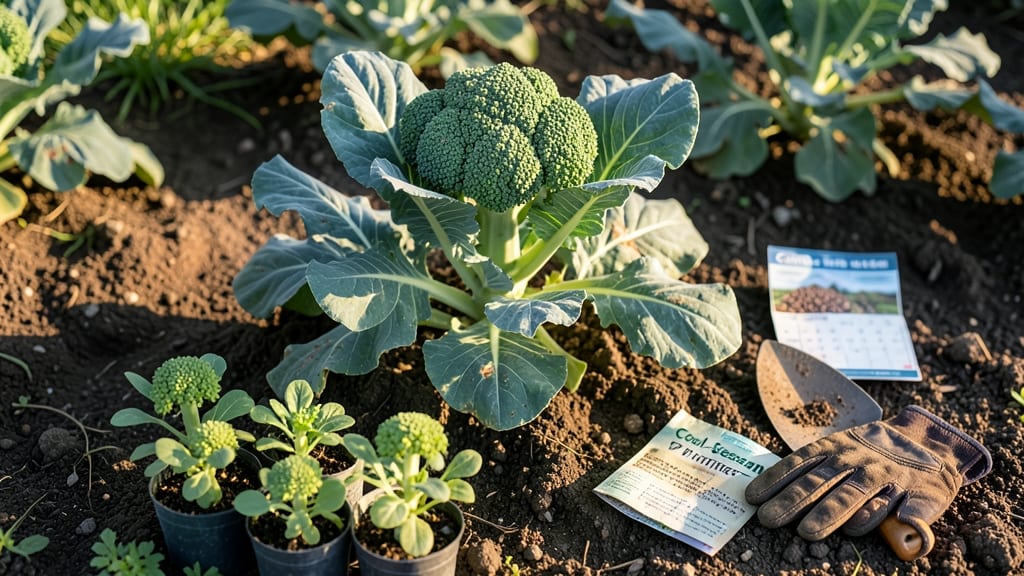
Timing your broccoli 🥦 planting in Colorado isn’t just about the calendar—it’s about outsmarting the state’s unpredictable frost and short growing seasons. Plant too early, and a late snowstorm could wipe out your seedlings; too late, and your heads might bolt before you even get to harvest.
The sweet spot depends on your elevation, microclimate, and whether you’re aiming for a spring or fall crop.
In Colorado’s USDA Zones 5-7, most gardeners plant broccoli in early spring (March-April) or late summer (July-August) to avoid extreme heat or frost. But with Denver’s 5b-6a zone and the Western Slope’s 6b-7a, your exact deadlines shift—sometimes by weeks.
The key? Knowing your last frost date (usually around April 15 in the Front Range) and planning 90-100 days before the first frost for a fall harvest.
I’ll break down the exact planting windows for your region, plus the cold-hardy broccoli varieties that thrive in Colorado’s short season. Whether you’re a high-altitude gardener or a Denver urban farmer, these tips will help you beat the odds and grow bountiful, flavorful heads—without the guesswork.
Ready to turn your garden into a broccoli powerhouse? Let’s dive into the proven strategies that work for Colorado’s climate, from soil prep to harvest timing. Your perfectly timed crop starts here.
Colorado broccoli planting calendar: exact dates by elevation zone
Colorado’s diverse elevations and microclimates mean your last frost date could vary by weeks.
Front Range gardeners (Denver, Boulder) typically see April 15 as their average last frost, but high-altitude areas (Fort Collins, Estes Park) may wait until May 1. Western Slope (Grand Junction, Durango) enjoys earlier springs, with March 20 as a safer bet for planting.
For spring broccoli, aim to plant 4-6 weeks before your local last frost date. This gives seedlings time to establish roots before soil warms.
In Denver (Zone 5b-6a), that’s mid-March to early April. High-altitude gardens (7,000+ ft) should wait until late April to avoid late spring frosts.
Fall planting is trickier—broccoli needs 90-100 days to mature before first frost. In Denver, sow seeds by mid-July for a September-November harvest. Western Slope can push it to early August, while high-altitude areas should start by late June.
🌱
Microclimates matter! Urban Denver gardens in sunny, south-facing spots may warm up 1-2 weeks earlier than shaded yards. Use local weather stations (like MesoWest) to track soil temperatures—broccoli thrives when soil reaches 40°F.
For extended harvests, try succession planting: Sow new seeds every 2 weeks in spring or fall. This ensures a steady supply of fresh broccoli heads instead of a single bolting batch.
If you’re in a high-altitude zone, consider row covers to protect seedlings from late frosts. A lightweight fabric can add 5-10°F of warmth, buying you extra growing time.
Colorado’s short growing season demands precision. Miss the planting window, and you’ll face bolting broccoli or frozen seedlings. But with these elevation-specific dates, you’ll maximize your harvest—whether you’re in Denver, Durango, or the Rockies.
Pro tip: Start seeds indoors 4-6 weeks before your target planting date for a head start on the season. Use grow lights to simulate long daylight hours.
🌿
Best cold-hardy broccoli varieties for Colorado’s short season
Colorado’s short growing season and temperature swings demand broccoli varieties that tolerate cool weather and bolt-resistant genetics. I’ve tested these top 5 varieties in my Denver-area garden, and they consistently deliver sweet, compact heads even when spring lingers late or summer heat arrives early.
For high-altitude gardens (6,000+ ft), prioritize varieties like ‘Waltham 29’—a classic open-pollinated variety that handles light frosts and produces hearty side shoots. In lower elevations (Denver and below), ‘De Cicco’ and ‘Calabrese’ thrive with their disease resistance and prolonged harvest windows.
To extend your harvest, use succession planting every 2-3 weeks from late March through early July. For example, sow ‘Little Sprint’ (a compact variety) in containers on your patio—it matures in just 50-60 days, perfect for late-summer plantings when soil stays warm.
Pro tip: Mix ‘De Cicco’ (a sprouting broccoli) with ‘Calabrese’ (a heading type) to maximize space. The sprouting variety produces multiple small heads, while Calabrese delivers large, single crowns—ideal for roasting or steaming.
For high-altitude gardens (7,000+ ft), avoid ‘Packman’—it’s prone to bolting in Colorado’s unpredictable springs. Instead, opt for ‘Waltham 29’ or ‘Green Magic’, which handle cooler soils and shorter daylight better.
Always start seeds indoors 4-6 weeks before your last frost date (use grow lights if natural light is limited). Transplant seedlings when soil reaches 45°F—warmer soils speed up growth but risk bolting in hot spells.