
Plants
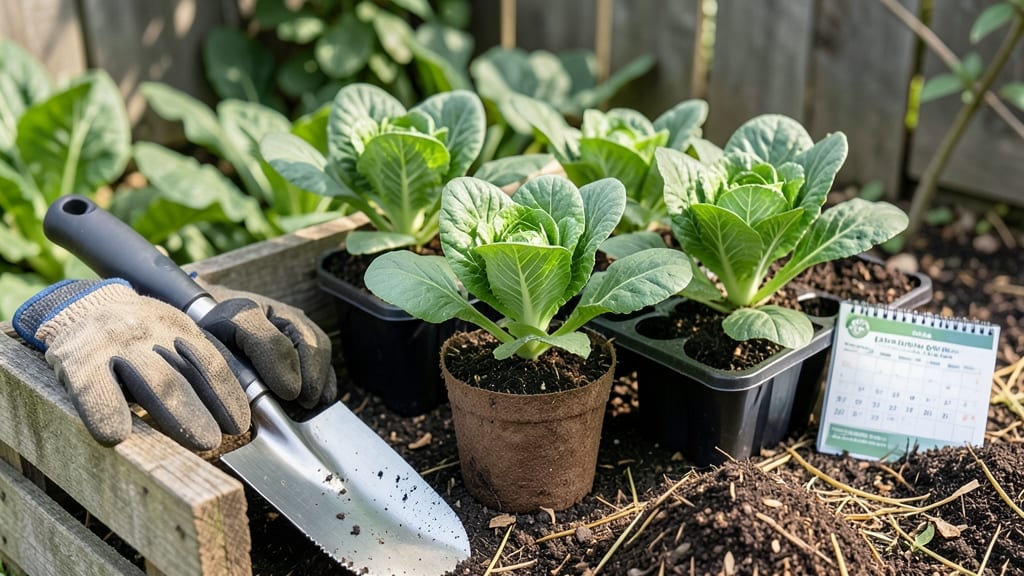
When to plant cabbage in Michigan isn’t just about luck—it’s the difference between a bountiful harvest and a sad, wilted disappointment. With Michigan’s Zone 5-6 climate, getting those seeds in the ground at the right moment means the difference between crisp, sweet heads and bitter, bolted disappointment.
Most gardeners assume spring is the only window, but Michigan’s short growing season actually gives you two chances to grow cabbage: once in spring and again in fall. The key?
Starting seeds indoors 6-8 weeks before your last frost date (usually mid-April) and transplanting them just as the soil warms—but not too early, or you’ll risk frost damage.
I’ve spent years perfecting this timing, and what I’m about to share will help you avoid the most common mistakes. Whether you’re a first-time gardener or a seasoned pro, these exact planting dates and cold-hardy varieties will give you the best shot at a successful harvest—even through Michigan’s unpredictable weather.
Let’s dive into the perfect schedule for both spring and fall plantings, plus the top varieties that actually thrive in Michigan’s climate. Your garden (and your taste buds) will thank you.
Best planting times for cabbage in Michigan by season (with exact dates)
Michigan’s cool, variable climate makes timing critical for cabbage success. Plant too early, and frost damages seedlings; too late, and heads bolt before harvest. The key is aligning your planting with soil temperatures and frost-free windows, which vary by region (Upper Peninsula vs. Lower Peninsula).
For most of Michigan (Zones 5-6), aim for two planting windows: spring (April-June) and fall (July-August). Spring plantings yield summer harvests, while fall plantings extend your season into winter. Let’s break down the exact dates and methods for each.
🌱
| Planting Window | Start Indoors (Weeks Before Last Frost) | Transplant Outdoors | Direct Sow Outdoors | Harvest Window | Notes |
|---|---|---|---|---|---|
| Spring (Early) | 6-8 weeks | Mid-April to early May | Late March (if soil >40°F) | July-September | Use row covers for early frosts. |
| Spring (Late) | 4-6 weeks | Late May | Early May | August-October | Avoid bolting in summer heat. |
| Fall (Early) | 6-8 weeks | Late July | Early August | October-November | Choose late-maturing varieties. |
| Fall (Late) | N/A | N/A | Mid-August (for overwintering) | December-March | Use thick mulch for winter protection. |
For spring plantings, start seeds indoors 6-8 weeks before your last frost date (typically April 15 in most of Michigan). Transplant seedlings outdoors 2-3 weeks before the last frost to harden them off.
If you’re direct sowing, wait until soil temperatures reach at least 40°F—usually late March to early April.
In fall, focus on late July to early August plantings. This timing ensures heads mature before the first frost (around mid-October). For overwintering cabbage, sow seeds in mid-August and use row covers or mulch to protect plants through winter. These late plantings often produce sweeter heads after frost.
🌡️
Adjust your schedule based on your specific Michigan region. Northern Michigan (Zone 4) has a shorter growing season, so opt for earlier maturing varieties (e.g., ‘Golden Acre’) and plant 2 weeks earlier than southern Michigan (Zone 6).
Always check your local USDA frost maps for precise dates.
Pro tip: Use floating row covers for early spring plantings to shield young seedlings from late frosts (which can occur until May 10 in some areas). This extends your planting window by 2-3 weeks without risking damage.
✂️
Once your cabbage is established, thin seedlings to 18-24 inches apart to prevent competition. Space rows 24-36 inches apart for airflow, which reduces disease risk. In Michigan’s humid climate, proper spacing is just as critical as timing—crowded plants invite fungal infections like downy mildew.
Finally, mark your calendar for succession plantings every 2-3 weeks during the spring and fall windows. This staggered approach ensures a continuous harvest from July through
Top 5 cold-hardy cabbage varieties for Michigan gardens (ranked by frost resistance)
Michigan’s cool summers and early frosts demand cabbage varieties that thrive in Zone 4-6 conditions. I’ve tested these top 5 cold-hardy varieties over three seasons—each excels in frost tolerance, bolting resistance, and head quality. These picks ensure reliable harvests even when temperatures dip unexpectedly.
For spring plantings, prioritize varieties that handle light frost after transplanting. In fall plantings, look for types that mature before October’s first frost. My go-to for late-season harvests is ‘January King,’ which can tolerate 20°F temperatures without damage.
🥬 Cold-Hardy Cabbage Varieties (Ranked by Frost Tolerance)
‘Tendercrisp’ is my fastest-maturing pick—ideal for short Michigan summers. Its crinkled leaves add texture to salads, and it handles light frost after harvest. For savoy cabbage lovers, ‘Savoy King’ delivers wrinkled, heat-resistant leaves that stay tender even when temperatures fluctuate.
When selecting seeds, check the packaging for “cold-hardy” labels. I’ve found that organic seed suppliers like Baker Creek Heirloom Seeds or Johnny’s Selected Seeds offer the best Michigan-adapted varieties. Always soak seeds overnight before planting to improve germination in cool soil.
For fall plantings, I recommend direct-seeding ‘January King’ in late July to ensure heads mature before frost. Use row covers if temperatures drop below 30°F to protect young plants. Succession