
Plants
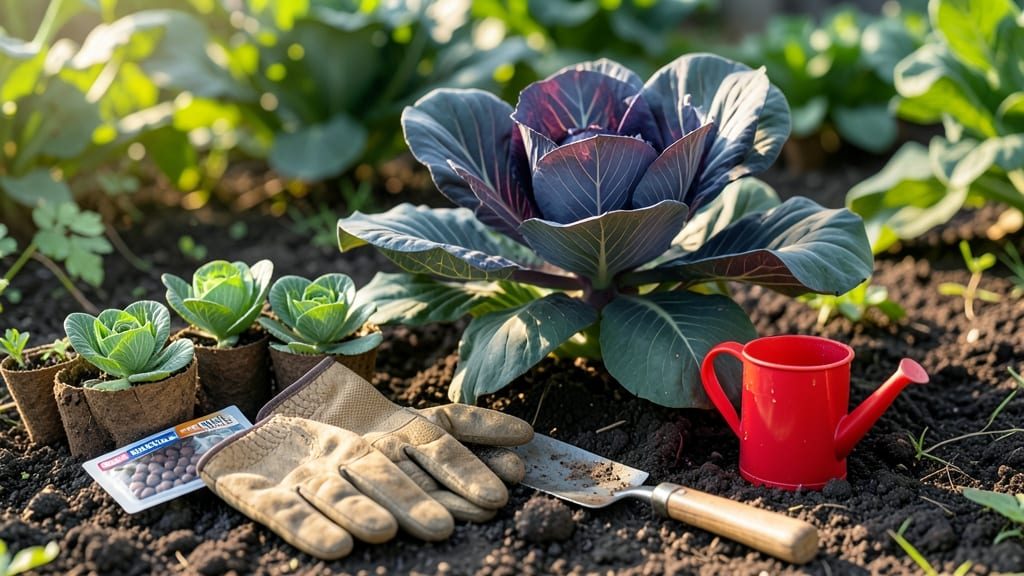
If you’ve ever wondered when to plant cabbage in Georgia, you’re not alone—especially when dealing with bitter-tasting cabbage or losing harvests to Georgia’s sweltering heat.
The key to growing sweet, crisp 🥬 in Heat Zone 8A lies in planting at the perfect time—neither too early (risking heat stress) nor too late (inviting pests).
Georgia’s warm climate demands a strategic approach: spring plantings should start by late February, while fall crops thrive when sown August through early September. These windows align with the state’s frost dates, ensuring your cabbage matures before summer’s brutal heat or winter’s chill sets in.
But timing isn’t the only factor—soil prep, variety selection, and even microclimate adjustments (like coastal vs. Piedmont differences) play a huge role in success. I’ll walk you through everything you need to know to plant cabbage the right way, from seed to harvest.
Ready to avoid common mistakes and enjoy a steady supply of homegrown 🥬? Let’s dive into the exact steps that’ll transform your garden this season.
Best planting windows for cabbage in Georgia’s heat zone 8A
Cabbage thrives in cool weather, but Georgia’s Heat Zone 8A means you’ll need to time your plantings carefully. The key is avoiding spring heat and fall frosts, which can stress or ruin your plants.
I’ve grown cabbage in Georgia for years, and I’ve learned that two planting windows work best: late winter/early spring and mid-summer/early fall.
For spring plantings, start seeds indoors 6-8 weeks before your last expected frost date (around mid-March in most of Georgia). Transplant seedlings outdoors 4-6 weeks before the last frost, typically in late February to early March.
This gives your cabbage time to mature before the April heat sets in.
Fall plantings are trickier but equally rewarding. Begin seeds indoors 8-10 weeks before the first frost (around mid-November), which usually means starting in late August to early September. Transplant seedlings outdoors by mid-August so they’ll have enough time to form heads before cooler weather arrives.
Georgia’s microclimates can vary dramatically, so adjust your timing based on your specific location. For example, coastal areas like Savannah may have slightly later frost dates than inland areas like Athens. Always check your local USDA Heat Zone and monitor weekly temperature forecasts to fine-tune your schedule.
If you’re new to growing cabbage, I recommend starting with one spring and one fall planting to test your soil and climate. Once you’ve mastered those, you can experiment with succession planting every 2-3 weeks for a continuous harvest.
This method ensures you always have fresh cabbage on hand without overwhelming your garden at once.
Another pro tip: Use shade cloth (30-50%) if planting in late spring or early fall when temperatures fluctuate. This helps protect young plants from heat stress while still allowing enough sunlight for growth.
I’ve seen cabbage bolt (go to seed prematurely) when exposed to sudden heat waves, so this simple tool can save your harvest.
For container gardening, start seeds in pots 4-6 weeks before transplanting outdoors. Cabbage grows well in containers as long as they’re at least 12 inches deep and 18 inches wide.
This is a great option for urban gardeners or those with limited space, and the timing remains the same as for in-ground plantings.
Remember, soil temperature matters just as much as air temperature. Cabbage seeds won’t germinate well in cold soil (below 45°F). Use a soil thermometer to check before planting, especially in early spring when ground temps can lag behind air temps.
If the soil is too cold, wait a few more days or use black plastic mulch to warm it up faster.
Finally, keep an eye on your local pest patterns. In Georgia, cabbage worms and aphids are common in spring, while harvesting pests like deer and raccoons may target fall plantings.
Plan your planting schedule around these threats—early spring plantings often escape the worst of the summer pests, while fall plantings can be protected with row covers.
Best planting windows for cabbage in Georgia’s heat zone 8A
Georgia’s Heat Zone 8A climate demands precise timing for growing cabbage—too early, and your plants will bolt; too late, and summer heat will stress them. The key is planting during cooler months when temperatures stay below 80°F.
For spring, aim for late February to early March, while fall planting should happen between mid-August and early September.
Cabbage thrives in Georgia’s spring and fall seasons because these periods offer the ideal temperature range of 50-75°F. In Heat Zone 8A, the average last frost date is around March 15, so starting seeds indoors 4-6 weeks before this date is critical.
For fall, begin planting 8-10 weeks before the first frost, which typically hits mid-November.
| Planting Window | Ideal Months | Key Considerations |
|---|---|---|
| Spring Planting | Late February - Early March | Start seeds indoors 4-6 weeks before last frost; transplant after soil reaches 50°F. |
| Fall Planting | Mid-August - Early September | Plant 8-10 weeks before first frost; use shade cloth if temps exceed 85°F. |
| Succession Planting | Every 2-3 Weeks | Extend harvest by planting new seeds every 2-3 weeks in spring/fall. |
In Georgia’s Piedmont region, where nights can still be cool in spring, you can push planting slightly earlier—early February—but protect seedlings with row covers if frost threatens.
Coastal areas, however, should wait until mid-March due to their milder winters and later frost dates. Always check your local frost date averages to fine-tune your schedule.
For succession planting, sow new seeds every 2-3 weeks after your initial planting to ensure a continuous harvest. This works especially well in Georgia’s long growing season, allowing you to enjoy fresh cabbage from May through November.
Just be sure to stop planting by late September to avoid heat stress before the first frost.
If you’re growing cabbage for storage, prioritize fall plantings. Varieties like ‘Golden Acre’ or ‘Red Express’ store well and can last through winter if harvested before hard frosts. For immediate harvests, spring plantings of ‘Cavalo’ or ‘Early Jersey Wakefield’ deliver crisp heads in 60-70 days.
Remember, Georgia’s humidity and heat can accelerate bolting, so always provide consistent moisture and partial shade during peak summer months. With the right timing, you’ll enjoy sweet, crisp cabbage all season long! 🥬