
Plants
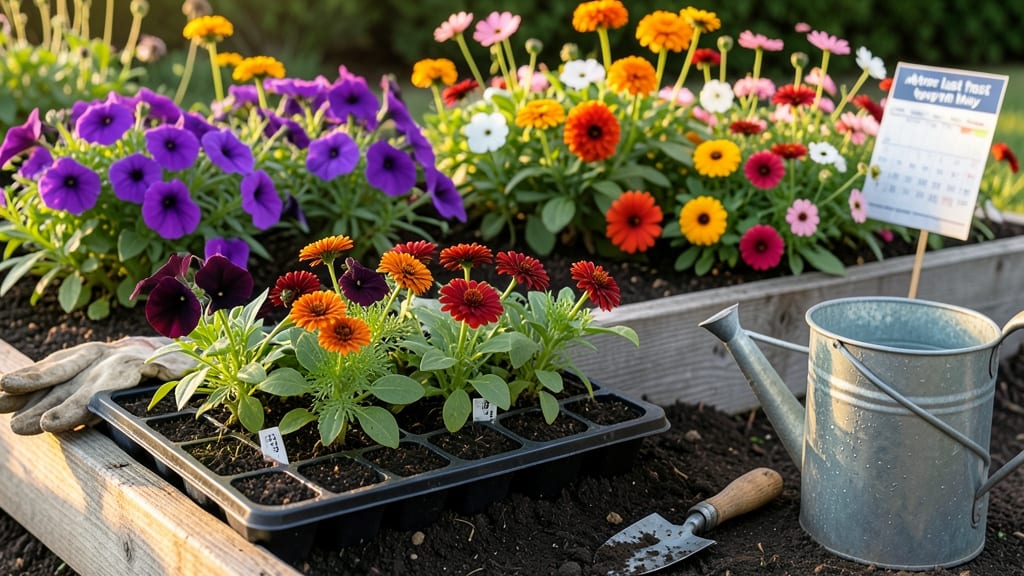
Timing your annuals planting in Wisconsin can mean the difference between a garden bursting with 🌸 life and one that never takes off. With frost dates swinging wildly from April 1 in the north to May 1 in the south, getting it right requires more than just guessing—it’s about understanding your microclimate.
I’ve spent years watching Wisconsin gardens transform when annuals get planted at the perfect moment. The key isn’t just waiting for the last frost—it’s knowing how to work with your local climate, whether you’re in Zone 4a or Zone 6b.
Some varieties thrive when planted as early as mid-April, while others need to wait until early June to avoid a surprise freeze.
What you’ll discover here are the exact planting windows for your region, plus smart tricks to extend your growing season. From heat-loving tomatoes to cool-season snap peas, we’ll cover everything so your garden stays vibrant from June to October—no matter where in Wisconsin you’re gardening.
Ready to turn your garden into a showstopper? Let’s dive into the most reliable dates and strategies to make your annuals flourish, even when Mother Nature throws a curveball.
Wisconsin’s frost-free planting zones: dates by region (2024 forecast)
Wisconsin’s frost dates vary dramatically by region, making precise timing critical for your annual flowers and veggie gardens. Southern Wisconsin enjoys 150–180 frost-free days, while northern areas see just 90–120 days.
These differences mean planting zinnias in Madison isn’t the same as planting them in Green Bay.
To avoid frost damage, I rely on data from the Wisconsin State Climatology Office and UW-Extension, which track last spring frost and first fall frost trends. This year’s forecast suggests earlier-than-average last frosts in southern zones due to warming trends, but northern areas should still prepare for delays.
Pro Tip: Use heat mats or row covers to push planting dates 2–3 weeks earlier in frost-prone zones. For example, tomatoes in Milwaukee can go in by May 1, but in Eau Claire, wait until May 15.
| Region | Avg. Last Frost | Avg. First Frost | 2024 Adjustment | Key Annuals |
|---|---|---|---|---|
| Southern WI (e.g., Milwaukee, Madison) | April 25–May 1 | October 10–15 | 1 week earlier | Marigolds, Zinnias, Basil |
| Central WI (e.g., Wausau, Stevens Point) | May 1–10 | September 25–October 5 | On schedule | Petunias, Snapdragons, Lettuce |
| Northern WI (e.g., Green Bay, Superior) | May 15–25 | September 15–25 | 3 days later | Cosmos, Sunflowers, Cucumbers |
| Lake Michigan (e.g., Sheboygan, Kenosha) | April 15–20 | October 5–10 | 2 weeks earlier | Pansies, Nasturtiums, Radishes |
| Driftless Region (e.g., La Crosse, Eau Claire) | May 10–15 | October 1–10 | On schedule | Marigolds, Basil, Peppers |
For cool-season annuals like lettuce or spinach, you can start 4–6 weeks before your last frost date. In Madison, that means mid-March under row covers. Meanwhile, heat-loving plants like tomatoes and peppers need soil temps above 60°F, so wait until late May in northern zones.
Local Master Gardener programs often host plant sales aligned with these dates—check your county’s UW-Extension office for region-specific workshops. I always attend mine in Juneau County to get last-minute adjustments based on recent weather patterns.
If you’re unsure about your exact microclimate, use the USDA Plant Hardiness Zone Map and overlay it with Wisconsin’s frost data.
For example, Zone 5a (northern WI) has shorter windows than Zone 6a (southern WI), so prioritize fast-maturing varieties like ‘Early Girl’ tomatoes (50 days) over ‘Brandywine’ (80 days).
Remember: Frost can return anytime before June 10, even in southern Wisconsin. I’ve seen late-May frosts in Racine—always have frost cloth ready for sensitive plants like impatiens or coleus.
For late-summer planting, aim to sow 4–6 weeks before your first frost. In Green Bay, that’s late July for basil or bush beans. Use slow-release fertilizer to extend their harvest window into October.
Track your local frost dates using the National Oceanic and Atmospheric Administration (NOAA) or your local cooperative extension service. These tools help me fine-tune my planting schedule every year—because in Wisconsin, one week makes all the difference.
How to adjust planting dates for Wisconsin’s unpredictable weather patterns
Wisconsin’s unpredictable frost dates can leave gardeners scrambling, but with the right adjustments, you can safely plant annuals 2-4 weeks earlier than the average last frost date.
The key is understanding how to protect tender seedlings and warm the soil—two critical factors that separate successful early planting from frozen failures.
Start by checking the Wisconsin State Climatology Office for your region’s historical frost dates, then add a buffer.
For example, if your area’s average last frost is May 1, consider using protective measures to plant heat-loving annuals like tomatoes as early as April 15—but only if you’re prepared for a late frost.
🔍 Numbered Highlights: 5 Ways to Extend Your Wisconsin Planting Season
- Row Covers: Use lightweight fabric to protect seedlings from light frosts (28–32°F). Remove during the day when temps rise above 50°F.
- Cold Frames: Create a mini greenhouse with clear plastic or glass to warm soil by 10–15°F—ideal for starting peppers and eggplants 3 weeks early.
- Black Plastic Mulch: Spread it over soil 1–2 weeks before planting to absorb sunlight and raise soil temps by 5–10°F.
- Cloche Bells: Place individual glass or plastic domes over seedlings to shield them from light frosts while allowing sunlight.
- Hardening Off: Gradually expose seedlings to outdoor conditions for 7–10 days before final planting to build resilience.
For cool-season annuals like lettuce or spinach, you can often plant them 4–6 weeks before the average last frost date. These hardy varieties tolerate light frosts and may even taste sweeter after a chill.
However, avoid planting warm-season crops like basil or cucumbers until soil temps consistently stay above 55°F—cold soil stunts their growth.
Monitor weekly weather forecasts and use the National Weather Service’s frost prediction maps to time your planting. In northern Wisconsin, where frosts linger later, prioritize fast-maturing varieties (under 60 days) to ensure harvests before the first frost in October.
In southern Wisconsin, you’ll have more flexibility to experiment with longer-season plants like pumpkins or sunflowers.
If a late frost threatens, have a backup plan. Keep extra seedlings on hand or use emergency row covers to shield newly planted annuals. Remember, the goal isn’t to beat the frost—it’s to work with Wisconsin’s climate while maximizing your growing season.
With these strategies, you’ll turn Wisconsin’s unpredictable weather into a garden advantage, ensuring your annuals thrive from May through October—no gamble required. 🌱