
Flowers
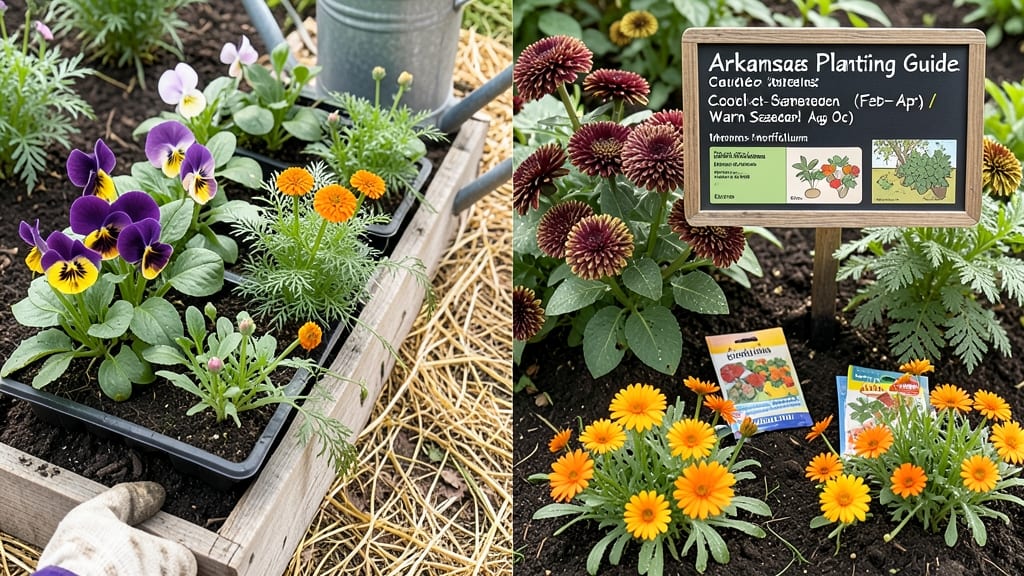
When to plant flowers in Arkansas can make all the difference between a stunning garden and a season of wilting disappointment. With USDA zones 7a-8b and Arkansas’ unpredictable spring weather, knowing the exact planting windows is key to vibrant blooms all year. Most Arkansas gardeners swear by planting 🌸 flowers between March and May for spring blooms, but fall planting in September-October gives you a head start on next year’s color. The secret? Waiting until after the last frost date—usually around mid-March—when soil warms to at least 60°F. Whether you're growing heat-loving annuals like impatiens or hardy perennials such as coneflowers, getting the timing right ensures stronger roots and bigger blooms. I'll show you exactly which flowers thrive in Arkansas' climate and how to extend your blooming season without frost damage. Ready to transform your yard into a year-round paradise? Let's dive into the zone-specific deadlines that will make your flowers in Arkansas the envy of the neighborhood.
Arkansas planting zones: key dates for frost-free flower success
Arkansas spans USDA Hardiness Zones 6b through 8a, meaning frost dates vary dramatically from the northern mountains (Zone 6b) to the southern delta (Zone 8a). Understanding these zones helps you pick the perfect planting windows for your flowers—whether you're growing heat-loving annuals or cold-hardy perennials.
The average last frost date hovers around March 15 in northern Arkansas but pushes to April 1 in the south.
For spring planting, wait until soil temperatures hit 60°F—this usually aligns with late March to mid-April for most regions. Fall planting, on the other hand, should occur 6-8 weeks before the first frost, typically between September and early October.
Missing these windows risks frost damage or heat stress in tender varieties.
Here’s how Arkansas’ zones break down for optimal flower planting, including last frost dates, first frost averages, and ideal planting windows:
| Zone | Last Frost | First Frost | Spring Planting | Fall Planting |
|---|---|---|---|---|
| 6b (Northern AR) | March 15 | November 1 | April 1 - May 1 | September 1 - October 1 |
| 7a (Central AR) | March 30 | November 10 | March 30 - April 15 | September 15 - October 15 |
| 7b (Central AR) | April 10 | November 15 | April 10 - April 30 | September 20 - October 1 |
| 8a (Southern AR) | April 15 | November 20 | April 15 - May 1 | September 30 - October 15 |
In Zone 6b, where frosts linger longer, I recommend starting cold-hardy annuals like pansies or snapdragons indoors in February for early blooms. For Zone 8a, you can even plant tender annuals like marigolds as early as February if you use row covers for protection.
For perennials, timing matters too—plant in early spring (before June bugs emerge) or early fall to give roots time to establish before winter. Daylilies and coneflowers, for example, thrive when planted in September for next-year blooms.
Heat-tolerant varieties like Lantana or Zinnias can handle Arkansas’ summer heat, but they still need well-draining soil and regular watering during dry spells. If you’re in Zone 7b or warmer, you can even stagger plantings every 2-3 weeks to extend blooms from spring to fall.
Pro tip: Use a soil thermometer to confirm 60°F soil temps before planting—cold soil slows root growth and increases damping-off risk in seedlings. In northern Arkansas, I’ve had success with row covers to push spring plantings 2-3 weeks earlier without frost damage.
Remember, Arkansas’ humidity and summer heat can stress flowers, so morning watering and mulching are key to keeping roots cool. By aligning your planting with these zone-specific windows, you’ll avoid the most common mistakes—like frost-nipped petunias or wilting impatiens in July’s heat.
Best flowers to plant by season in Arkansas (with exact months)
Arkansas’ humid subtropical climate means two prime planting windows: spring (March-May) and fall (September-October). Each season offers ideal conditions for different blooms—from heat-tolerant annuals to cold-hardy perennials. Let’s break down the best flowers to plant month-by-month, including soil prep tips to ensure success.
For spring planting (March-May), focus on cool-season annuals like pansies and snapdragons, which thrive in 50-60°F soil. Perennials like Black-Eyed Susans and Coneflowers can also be planted in early spring, while tender annuals like impatiens should wait until after the last frost (mid-March in most zones).
Always amend soil with compost to improve drainage.
🌸
- 🌱 Cool-Season Annuals: Pansies, Snapdragons, Sweet Alyssum (March-April)
- 🌿 Perennials: Coneflowers, Black-Eyed Susans, Daylilies (March-April)
- 🌼 Tender Annuals: Impatiens, Petunias, Marigolds (After last frost, mid-May)
- 🌞 Heat-Tolerant Annuals: Zinnias, Sunflowers, Lantana (June-July)
- 🌻 Succession Planting: Cosmos, Vinca (Every 4-6 weeks)
- 🍂 Cool-Season Annuals: Mums, Kale, Stock (September)
- 🌺 Perennials: Asters, Sedum, Russian Sage (September-October)
- 🌿 Bulbs: Tulips, Daffodils (October-November)
- Spring: Test soil pH (6.0-7.0 ideal); add compost or aged manure.
- Fall: Mulch heavily (3-4 inches) to protect roots.
- Summer: Use mulch to retain moisture in 90°F+ heat.
For summer planting (June-July), prioritize drought-resistant flowers like zinnias and lantana, which thrive in full sun and well-draining soil. Succession planting every 4-6 weeks keeps your garden blooming all season. Water deeply in the morning to avoid fungal issues from Arkansas’ humidity.
Fall is perfect for cool-season blooms like mums and asters, which handle cooler temps and even light frosts. Plant bulbs in October for spring blooms, and mulch heavily to insulate roots. Avoid planting tender annuals after October 15, as they won’t survive winter.
🌿
Pro tip: Use row covers in early spring or late fall to extend planting windows by 2-3 weeks. For container gardening, choose compact varieties like dwarf petunias or nasturtiums, which thrive in 5-gallon pots with well-draining mix.
Always check USDA Zone 7a-8b guidelines for your specific Arkansas county!