
Plants
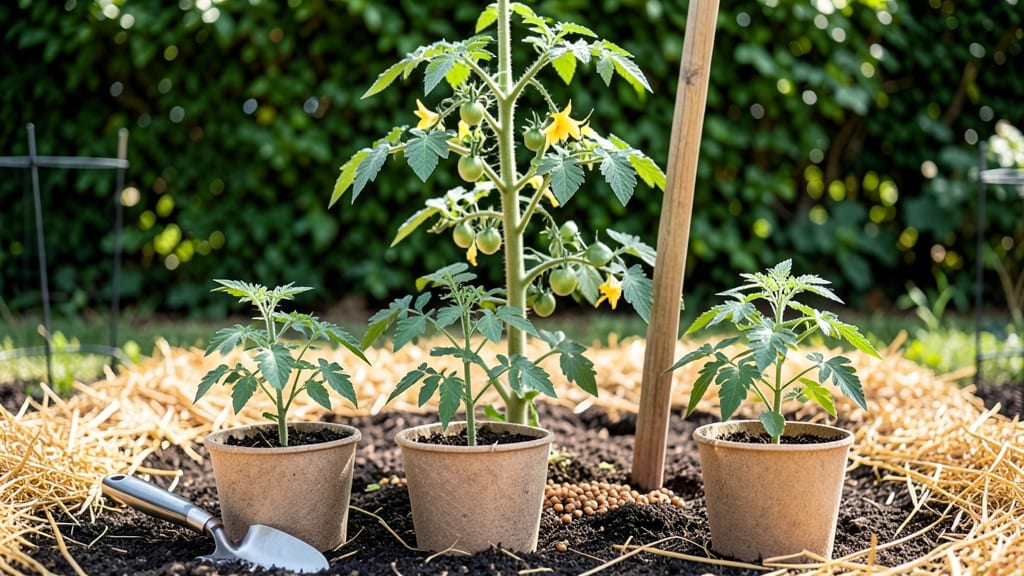
California tomato planting calendar by region: exact dates for coastal, Central Valley, and desert zones
California’s tomato planting success hinges on understanding your microclimate. Coastal areas like San Francisco have cooler soils, while Central Valley and desert regions (like Palm Springs) can plant months earlier.
The key is aligning with your last frost date and soil warmth thresholds—tomatoes need 60°F+ soil to thrive.
For Northern California, coastal zones (e.g., Sonoma) typically wait until mid-April to early May, while inland areas (e.g., Sacramento) can plant 2-3 weeks earlier. Southern California’s desert regions (e.g., Riverside) often start as early as late February, thanks to warmer soils.
Here’s your region-specific planting calendar to avoid cold-soil shock and maximize fruit production. Use these dates as a starting point—adjust based on your yard’s specific conditions.
| Region | Coastal Zones (e.g., San Francisco, Santa Barbara) | Central Valley (e.g., Fresno, Stockton) | Desert (e.g., Palm Springs, Riverside) |
|---|---|---|---|
| Spring Planting Window | Mid-April to early May | Late March to mid-April | Late February to early March |
| Soil Temperature Threshold | 60°F+ (wait for coastal fog to lift) | 60°F+ (warmer inland soils) | 55°F+ (desert soils warm faster) |
| Fall Planting Window | Late July to early August | Early August to mid-August | Mid-August to early September |
| Key Adjustment Factor | Coastal fog delays soil warming | Central Valley heat speeds up growth | Desert heat requires shade cloth |
| Transplant Shock Risk | High (cooler nights) | Moderate (hot days) | Low (warm soils) |
Pro tip: Use a soil thermometer to confirm 60°F+ soil before planting. Coastal gardeners should wait until morning fog lifts—planting too early risks root rot from cold, damp soils. Inland areas can often plant 2-3 weeks earlier due to faster soil warming.
For Southern California deserts, start seeds indoors in late January to transplant by late February. These areas can also extend the season with fall planting (mid-August to early September), but use shade cloth to prevent sunscald on fruits.
If you’re in transition zones (e.g., Santa Cruz Mountains or San Bernardino foothillslater planting. These areas experience temperature inversions where higher elevations stay cooler longer. A simple trick: Plant heat-tolerant varieties like ‘Heatmaster’ or ‘Solar Fire’ if you’re pushing the early planting window.
Remember: Tomatoes thrive on consistency. Planting at the right time ensures strong root establishment before the summer heat kicks in. Avoid the temptation to plant early—cold soil stress is the #1 reason tomatoes fail in California gardens. 🌱
Next, we’ll dive into microclimate adjustments—how to fine-tune these dates for your specific yard, whether you’re in an urban heat island or a high-altitude pocket. Stay tuned! 🌡️
How to adjust planting times for your local microclimate (even within the same county)
California’s microclimates can vary dramatically even within a single county—think of the coastal fog in Santa Cruz versus the desert heat just 50 miles inland. These differences mean your neighbor’s perfect planting time might be a disaster for your garden.
The key is understanding how to adjust based on local conditions like elevation, urban heat islands, and coastal influences.
For example, San Francisco’s last frost date averages March 15, but just 20 miles inland in Berkeley, it’s February 15. Meanwhile, Palm Springs never sees frost, so their planting window stretches from November to March.
Use these adjustments to fine-tune your schedule for optimal fruit set and avoid common pitfalls like blossom-end rot from temperature swings.
Here’s how to customize planting times for your specific spot, even if you’re just a few miles from someone else:
Tomatoes need soil at at least 60°F (15°C) to thrive. Use a soil thermometer—cooler soils delay germination and stunt growth. In coastal areas, wait until May even if frost risk is low.
Cities like Los Angeles or Sacramento can be 10°F warmer than rural areas. If your garden is in a concrete-heavy zone, plant 2-3 weeks earlier than rural guidelines suggest.
Tomatoes require 800–1,200 growing degree days (GDD) from transplant to harvest. Check local weather station data (like Western Regional Climate Center) to calculate your personalized planting window.
In San Diego or Monterey, persistent fog can delay soil warming by 3–4 weeks. Plant heirloom varieties (like Brandywine) in late April instead of March for better success.
Mountain areas like Mammoth Lakes (elevation 7,900 ft) have cooler soils even in summer. Wait until June 1 or use black plastic mulch to warm the soil faster.
In Yuma or Riverside, you can plant as early as November for winter harvests. Use shade cloth to protect seedlings from intense desert sun until they’re established.
Don’t forget to monitor local weather forecasts for unexpected cold snaps, especially in transition zones like the Central Valley. A single 40°F night can devastate young plants. For extra protection, use row covers or plant in warm microclimates like near south-facing walls.
Pro tip: If you’re unsure, start with container-grown tomatoes. They warm up faster and let you adjust planting times more flexibly. For in-ground planting, test your soil and amend with compost to improve drainage—especially critical in clay-heavy coastal soils.