
Plants
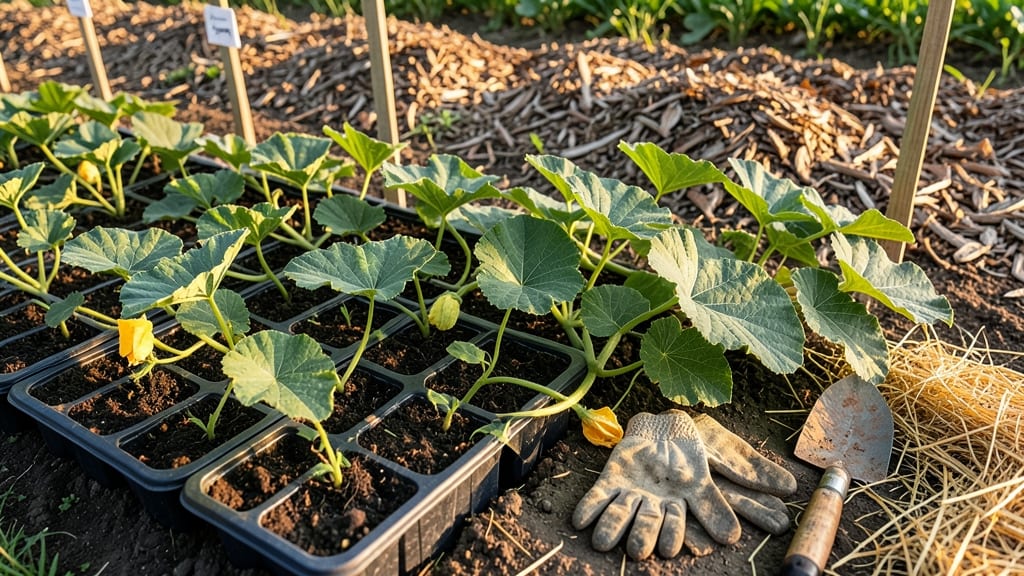
If you've ever planted acorn squash in Texas only to watch your hard work wilt under unexpected frost or shrivel in scorching summer heat, you're not alone. The key to a bountiful harvest lies in understanding exact planting deadlines that align with Texas' brutal climate swings.
Texas gardeners know timing is everything—plant too early, and frost will ruin your harvest; too late, and summer heat shrinks yields. With USDA zones 8a-10b offering wildly different conditions from North to South Texas, there's no one-size-fits-all answer. But there are precise windows that work.
I'll show you how to plant 🎃 acorn squash for maximum success, whether you're in the High Plains or Gulf Coast. We'll cover the perfect soil temperatures, ideal transplant dates, and heat-resistant strategies that actually work in Texas' unpredictable growing seasons.
Ready to turn your garden into a squash-producing powerhouse? Let's dive into the exact timing and techniques that will give you sweet, plump acorn squash all season long—no frost, no stress, just harvests.
Texas heat Zone planting deadlines for acorn squash (by region)
Texas spans USDA Hardiness Zones 7-10, meaning your acorn squash planting window varies dramatically from the Panhandle’s chilly springs to South Texas’ early starts. Missing these deadlines risks frost damage or heat stress. Let’s break it down by region to ensure zero-frost, maximum-yield success.
For North Texas (Zones 7b-8a), like Dallas-Fort Worth, your last average frost date is February 15. Wait 2-3 weeks after this date—typically mid-March—before transplanting seedlings. In East Texas (Zones 7b-8b), like Houston, the window opens 1-2 weeks earlier due to milder winters.
In South Texas (Zones 8b-10a), including the Rio Grande Valley, you can plant as early as late January in Zone 10a. However, soil temperature is critical—wait until it hits 60°F (15°C) to avoid stunted growth. Use a soil thermometer to confirm.
🌱
| Region | USDA Zone | Last Frost Date | Ideal Planting Window | Harvest Window |
|---|---|---|---|---|
| North Texas (Dallas, Lubbock) | 7b-8a | February 15 | Mid-March to early April | Late September to December |
| East Texas (Houston, Tyler) | 7b-8b | February 1 | Late February to early April | Late September to December |
| South Texas (San Antonio, Corpus Christi) | 8b-9a | January 15 | Late January to early April | October to December |
| West Texas (El Paso, Midland) | 7b-8a | February 28 | Late March to early May | Late October to December |
| Gulf Coast (Beaumont, Galveston) | 8b-9a | January 31 | Late February to early April | September to December |
Fall planting is just as critical as spring. For North and West Texas, aim for late July to early August to avoid summer’s 100°F+ heat, which stunts growth.
In South and East Texas, you can extend planting until early September—just ensure seedlings have 4-6 weeks to mature before the first frost.
Pro tip: Use Texas A&M AgriLife’s frost date maps for your exact county. For example, Lubbock’s last frost often hits March 1, while Brownsville’s is January 15. Adjust your schedule accordingly to avoid late-spring heatwaves that can shock young plants.
If you’re in Zone 10a (e.g., Brownsville, McAllen), you can even try winter planting! Sow seeds in November for a holiday harvest—just protect seedlings with row covers during rare cold snaps.
For urban gardeners, container planting works in Texas’ heat. Use 5-gallon pots and plant 3-4 weeks earlier than ground planting—containers warm up faster. Just ensure pots have drainage holes to prevent root rot in Texas’ heavy clay soil.
Always monitor soil temperature with a thermometer. Acorn squash roots struggle below 55°F (13°C) or above 90°F (32°C). In North Texas, soil may stay too cold until April, so start seedlings indoors 3-4 weeks before transplanting.
🌿
How to extend your Texas acorn squash season (cold frames, row covers & succession planting)
Texas’ unpredictable spring and fall weather can cut acorn squash harvests short—but with the right tricks, you can extend your season by 4-6 weeks. Cold frames and row covers create microclimates that protect tender seedlings from late frosts, while succession planting ensures continuous yields. Here’s how to beat Texas’ extreme temperature swings and keep squash growing when others quit. Cold frames are my go-to for early spring starts. By placing them over seedlings 2-3 weeks before the last frost date, you can transplant hardened-off plants 30 days earlier than standard schedules. For example, in North Texas (Zone 8a), that means transplanting by mid-February instead of March. Just remember: remove covers during the day once temperatures hit 70°F (21°C) to prevent overheating.Row covers are another game-changer for fall harvests. Lightweight fabric like Agribon lets sunlight through while shielding plants from light frosts (28-32°F/-2 to 0°C). In South Texas (Zone 9b), this lets you plant fall squash as late as September—a full month later than usual.
Secure edges with soil or bricks to prevent wind damage, and water thoroughly before covering to reduce condensation risks.
Succession planting is the secret to nonstop squash. Since acorn squash takes 85-110 days to mature, stagger plantings every 2-3 weeks during your ideal window (March-April or July-August).
For instance, in East Texas (Zone 8b), plant the first batch in early March, then follow up with mid-March and late March batches. This ensures harvests from September through November—just in time for holiday baking!
- 📅 Cold Frame Starts: Begin seedlings indoors 6-8 weeks before last frost (e.g., January in North Texas). Transplant when soil hits 60°F (15°C).
- 🛡️ Row Covers for Fall: Use Agribon to protect plants through light frosts (28-32°F/-2 to 0°C). Ideal for September plantings in South Texas.
- 🔄 Succession Planting: Sow new seeds every 2-3 weeks during your ideal window (March-April or July-August) for continuous harvests.
- 🌡️ Heat Tolerance Hacks: Use shade cloth (30-50%) in Zone 10 to prevent bolting during summer’s peak heat (above 95°F/35°C).
Don’t overlook soil temperature—it’s the real limiting factor. Acorn squash won’t germinate below 60°F (15°C), so use a soil thermometer to time plantings. In West Texas (Zone 8b), wait until mid-April for spring plantings, even if frost risk drops earlier.
For fall, aim for late July to avoid scorching August heat, which stunts growth.
Pro tip: Combine methods for maximum results. Start a cold frame batch in February, then follow with row-covered plantings in March. By September, you’ll have squash from both batches—double the harvest with zero extra work.
Just watch for powdery mildew under covers and water at soil level to keep foliage dry.
With these strategies, you’ll beat Texas’ climate curve and enjoy acorn squash well into December—just in time for Thanksgiving pies and winter storage. The key? Plan ahead, protect young plants, and keep sowing until the calendar says “stop.” Your future self (and your taste buds) will thank you!