
Planting
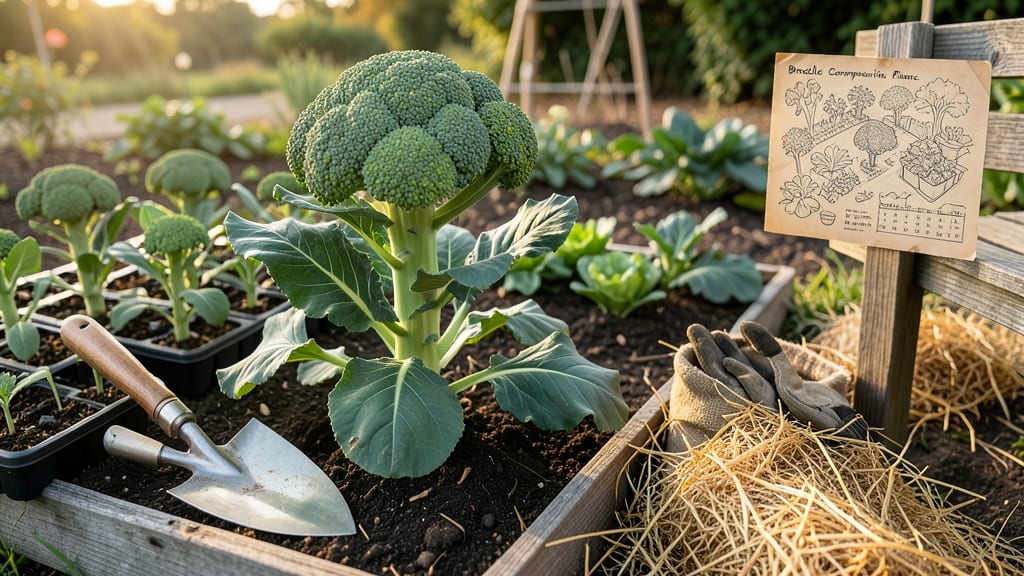
When to plant a fall garden in North Texas can mean the difference between a thriving harvest and a wasted season. If you plant too early, your crops will bolt in the summer heat, and too late means missing the sweet spot before the first frost.
With USDA Zone 8a conditions, you’ve got a narrow window—just 6-8 weeks before that first frost hits around mid-November. That’s why knowing the exact planting dates for your county is the key to success with 🍂 fall garden vegetables like kale, spinach, and radishes.
I’ll break down the county-specific deadlines so you can plant with confidence, whether you’re in Dallas, Tarrant, or Collin. Plus, I’ll share pro tips to stretch your harvest past December—no frost damage required.
Ready to turn your backyard into a fall harvest goldmine? Let’s get those seeds in the ground at the perfect time.
North Texas fall planting deadlines by county: avoid the frost trap
Timing your fall garden in North Texas is all about beating the first frost, which typically arrives between November 15-30 depending on your county.
The key is planting 6-8 weeks before frost—so for most of North Texas, that means starting seeds or transplants by mid-August to early September. Urban areas like Dallas and Fort Worth may experience frost 1-2 weeks earlier than rural counties due to heat islands.
Each county has slight variations in frost dates, so I’ve broken down the critical planting windows for the most common North Texas counties. For example, Dallas County averages its first frost on November 20, while Denton County sees frost around November 25.
These differences matter—planting broccoli or carrots too late in Dallas could mean a failed crop before harvest.
Here’s the county-by-county breakdown of your last planting dates for zero-frost crops like lettuce, spinach, and radishes. Use these as your hard deadlines to avoid frost damage:
| County | Last Planting Date (Transplants) | Last Planting Date (Seeds) | First Frost Avg. | Notes |
|---|---|---|---|---|
| Dallas | September 15 | August 15 | November 20 | Urban heat islands delay frost; monitor local forecasts. |
| Tarrant | September 10 | August 10 | November 22 | Drier soil; water deeply before frost. |
| Collin | September 20 | August 20 | November 25 | Soil stays warmer longer; ideal for late plantings. |
| Denton | September 25 | August 25 | November 28 | Higher elevation; cooler nights. |
| Rockwall | September 18 | August 18 | November 23 | Well-draining soil; amend with compost. |
If you’re planting slow-growing crops like Brussels sprouts or cabbage, start seeds indoors by mid-July to transplant by early September. For fast growers like radishes or lettuce, you can even squeeze in a second planting by mid-September—just cover them with row fabric if frost threatens early.
Pro tip: Check the Texas A&M AgriLife Extension frost prediction maps weekly. Their local county agents often adjust frost dates based on real-time data. For example, in 2022, Dallas saw frost on November 10, two weeks earlier than average—catching gardeners off guard.
Always err on the side of planting earlier rather than later.
Microclimates play a huge role in North Texas. If you live near a lake or creek, your frost date may be 3-5 days later than the county average.
Conversely, urban areas with pavement (like parts of Dallas) can experience frost earlier due to heat retention. Use a minimum-maximum thermometer to track your local conditions.
For container gardens, extend your season by 1-2 weeks since pots warm up faster in the day and cool down more at night. Move containers closer to your house or under a porch roof to shield them from cold winds.
This trick works especially well for herbs like cilantro and parsley, which bolt quickly in heat but thrive in cooler fall temps.
Remember: The soil temperature matters just as much as air temperature. Aim for 60–
Best zero-frost crops for North Texas fall gardens: fast-growing picks for short seasons
Fall in North Texas is your golden opportunity to grow cold-hardy vegetables that thrive in 60–70°F soil. The key is choosing fast-maturing varieties—those with 30–60 days to harvest—so you can enjoy fresh produce before the first frost.
These zero-frost crops are your best bets for a bountiful fall garden.
Start with leafy greens like spinach and kale, which tolerate light frosts and even sweeten up when temperatures dip. Radishes are another top pick—they mature in just 25–30 days, making them perfect for succession planting.
Don’t overlook broccoli and Brussels sprouts, which handle cooler weather and reward you with hearty harvests.
For root vegetables, carrots and beets grow well in fall’s cooler soil. Aim for short-day varieties like ‘Nantes’ carrots or ‘Detroit Dark Red’ beets, which mature quickly. Turnips and collard greens are also excellent choices—they’re frost-tolerant and packed with nutrients.
To maximize your fall harvest, use succession planting—sow seeds every 2 weeks for crops like lettuce and radishes. This ensures a steady supply of fresh produce even as temperatures drop. Pair fast growers like radishes with slower crops like broccoli to make the most of your garden space.
Don’t forget herbs and flowers to attract pollinators and deter pests! Cilantro, parsley, and dill thrive in fall’s cooler weather, while nasturtiums and marigolds add color and keep bugs at bay. These companions will help your zero-frost crops flourish until the first frost hits.
With the right fast-growing varieties and smart planting strategies, your North Texas fall garden can be just as productive as