
Planting
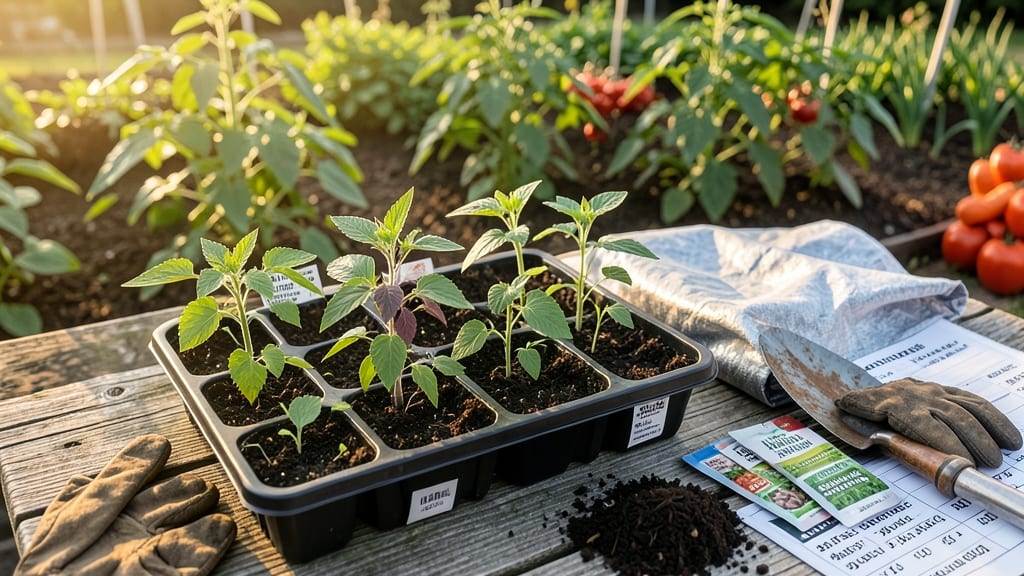
Timing when to plant a garden in Pennsylvania can feel like playing a high-stakes game of chance—one wrong move, and frost ruins your hard work.
The USDA Zones 5b/6a here mean spring arrives unpredictably, so knowing exactly when to plant makes all the difference between a bountiful harvest and wasted effort.
If you’ve ever stared at seed packets wondering, "Is it safe to plant yet?" you’re not alone. I’ve spent years tracking frost dates and soil temps across the Keystone State, and the key is understanding local microclimates—Pittsburgh’s chill contrasts sharply with Philadelphia’s milder pockets.
Let me break down the science-backed windows for your garden’s success.
We’ll cover cool-season crops like spinach and peas that thrive in March’s chill, plus warm-season stars such as tomatoes and peppers that need soil at 60°F+. With my month-by-month calendar, you’ll never guess again—just plant with confidence, whether you’re sowing directly or starting indoors.
Ready to transform your garden from "maybe next year" to "already growing"? Let’s dive into the exact weeks before last frost that’ll have your 🌱 thriving all season long.
Pennsylvania planting calendar: exact weeks before last frost by vegetable type
Pennsylvania’s USDA Zones 5b and 6a mean your planting window hinges on last frost dates, which vary by region. Philadelphia typically sees its last frost around April 15, while Pittsburgh averages April 25.
Harrisburg falls in between, around April 20. These dates determine when to plant cool-season crops like lettuce and warm-season favorites like tomatoes.
To simplify, use the 4-6 week rule for most vegetables: count back from your area’s last frost date.
For example, if your last frost is May 1, plant warm-season crops 4-6 weeks earlier (mid-March to early April) indoors or in a greenhouse. Cool-season crops can go directly into the ground 2-4 weeks before your last frost, often by early March in southern PA.
Here’s how to align your planting with Pennsylvania’s climate quirks—because a late spring in the Poconos can delay your season by weeks compared to the Delaware Valley.
| Vegetable Type | Planting Window (Weeks Before Last Frost) | Pennsylvania-Specific Notes |
|---|---|---|
| Cool-Season Crops | 4-6 weeks before last frost (direct sow) | Spinach, peas, and kale thrive in cool soil (40-50°F). Use row covers for early starts. |
| Warm-Season Crops | 2-4 weeks before last frost (start indoors) | Tomatoes, peppers, and eggplants need warm soil (60°F+). Harden off seedlings before transplanting. |
| Root Vegetables | 3-5 weeks before last frost | Carrots and beets prefer loose, well-drained soil. Avoid planting too early in heavy clay. |
| Herbs & Perennials | After last frost (April-May) | Basil and parsley love warmth. Asparagus crowns can go in early spring for a 2-year harvest. |
| Fall Planting | 8-10 weeks before first frost (late July-August) | Broccoli, Brussels sprouts, and kale handle cool nights. Use black plastic mulch to warm soil. |
For Pittsburgh’s cooler microclimate, delay warm-season crops by 1-2 weeks compared to Philadelphia. Test soil temperature with a soil thermometer—most seeds need 50°F+ to germinate. If your soil is still cold in April, opt for cold-hardy varieties like sugar snap peas or radishes.
Pro tip: Use succession planting for continuous harvests. For example, sow lettuce every 2 weeks from March to July. This ensures you’re never without fresh greens, even if your first planting bolts in the heat.
Remember, Pennsylvania’s humid summers can stress plants. Choose disease-resistant varieties like ‘Celebrity’ tomatoes or ‘Early Girl’ peppers to combat fungal issues. Mulch heavily to retain moisture and regulate soil temperature.
If you’re in Zone 6a (southern PA), you can push your season further. Try direct-sowing cucumbers in early May or planting green beans in June for a late-summer harvest. Just keep an eye on heat waves—they can stunt growth or cause blossom drop.
For container gardening, adjust your timeline by 1-2 weeks earlier. Pots warm up faster than in-ground soil, giving you a head start. Just ensure containers have drainage holes to prevent root rot in Pennsylvania’s frequent rain.
Finally, don’t forget fall planting! Many gardeners overlook the second half of the year, but cool-season crops like kale and spinach thrive in autumn. Start seeds in late July or early August for a harvest before the first frost, typically around November 15 in most of PA.
How to adjust planting dates for Pennsylvania’s microclimates and frost risks
Pennsylvania’s diverse geography means your planting dates can vary dramatically even within the same USDA Zone 5b/6a. For example, Pittsburgh’s last spring frost often arrives 2-3 weeks earlier than Philadelphia’s, while mountain regions like the Poconos may face frost risks well into June.
Understanding these microclimates helps you avoid common mistakes like planting tomatoes too early or lettuce too late.
The Penn State Extension recommends using 30-year frost averages, but real-world conditions vary. If your area experienced a late spring last year, adjust your schedule by 1-2 weeks later than the norm.
For instance, if your average last frost is May 15, but you’ve seen frost linger until May 30, wait until June 1 to plant warm-season crops like peppers and eggplants.
Even if the calendar says it’s safe, nighttime temperatures can drop unexpectedly. Use row covers or cold frames to extend your growing season by 2-4 weeks for early plantings like spinach or kale. In Zone 6a areas (e.g., Harrisburg), you might safely plant cucumbers by May 1, but a single 30°F night can devastate seedlings.
To protect your garden, monitor soil temperatures—most warm-season crops need soil at at least 60°F before planting. Use a soil thermometer to check depths of 1-2 inches. If your soil is too cold, wait another week.
For cool-season crops like broccoli or carrots, you can start 4-6 weeks before the last frost, but avoid planting if soil temps drop below 40°F.
For container gardening, adjust your timeline by 1-2 weeks earlier than in-ground planting. Containers warm up faster in spring and lose heat quicker in fall.
If you’re in a warmer microclimate (e.g., near a river or urban heat island), you can push your fall planting by 2 weeks later than the zone average.
For example, green beans might thrive in Philadelphia’s soil until early October, while rural areas may need to harvest by mid-September.
🌡️ Quick Soil Temp Guide for PA
- Below 40°F: Only hardy crops (spinach, peas)
- 40-50°F: Lettuce, broccoli, carrots
- 50-60°F: Beans, peas, radishes
- 60°F+: Tomatoes, peppers, cucumbers
If you’re unsure about your local frost risks, plant a mix of early, mid, and late varieties for succession planting. For example, sow radishes (ready in 30 days) alongside tomatoes (ready in 80 days).
This way, you’ll have continuous harvests even if some crops fail due to unexpected frost. Always keep a garden journal to track your actual frost dates—this helps you refine your schedule year after year.
For perennials like asparagus or rhubarb, timing matters less, but spring planting is ideal. These crops establish roots slowly, so give them full growing season to mature before winter.
If you’re in Zone 5b (e.g., Erie or Scranton), consider mulching heavily in fall to protect roots from freeze-thaw cycles.
🌱