
Plants
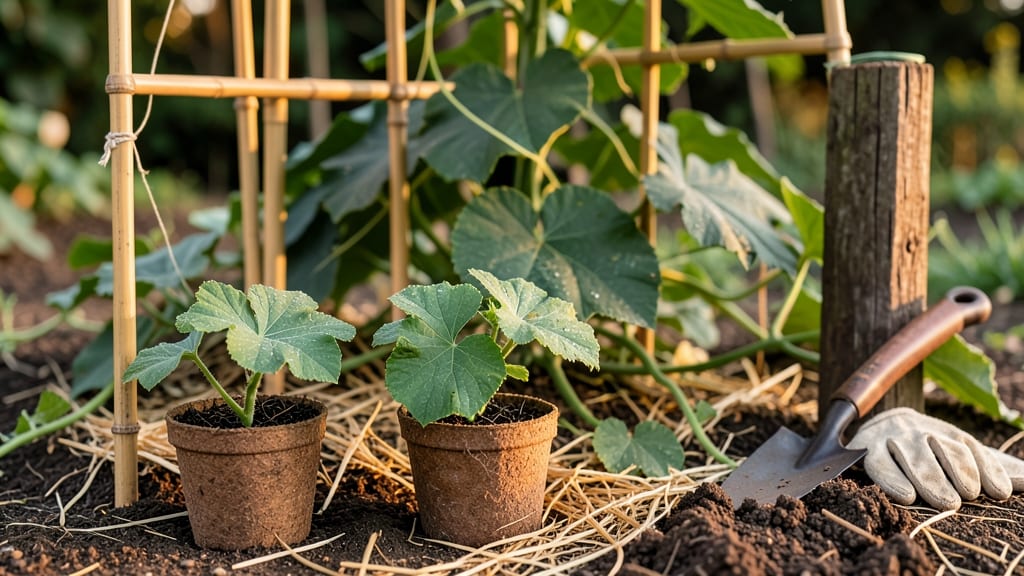
If you're asking "when to plant cucumbers in Zone 9", timing is everything—especially when summer heat can turn your garden dreams into wilted vines overnight.
Zone 9's long growing season gives you two prime windows: late winter/early spring and late summer, but getting it wrong means missing out on crisp, homegrown 🥒 all season long.
Most gardeners in 9b rush to plant too early, only to watch their cucumbers struggle under the blazing sun. The key? Wait until soil temperatures hit at least 60°F—that’s your green light for seeds to germinate without wilting.
I’ve seen firsthand how this small detail can transform a failed harvest into a garden overflowing with cucumbers by June.
But here’s the twist: Zone 9’s microclimates mean your neighbor’s perfect schedule might not work for you. Coastal areas stay cooler longer, while inland spots can fry seedlings by May.
I’ll break down exactly how to adjust your planting calendar based on your specific corner of Zone 9—so you can avoid the most common mistakes.
Ready to master the art of cucumber timing? You’ll learn not just when to plant, but how to stretch your harvest through summer’s peak heat with simple, proven tricks. Let’s get those vines growing the right way.

Optimal planting times for cucumbers in Zone 9: avoiding heat stress
Zone 9’s long, hot summers and mild winters create a unique challenge for cucumber growers. Unlike cooler climates, you can’t just plant in spring and expect success—heat stress and poor germination are real risks if you time it wrong.
The key is planting during cooler transitions when soil and air temperatures are ideal for seedling development.
Cucumbers thrive when soil temperatures stay between 60°F and 90°F. Below 55°F, seeds won’t germinate; above 95°F, vines struggle to set fruit. In Zone 9, this means focusing on two primary windows: late winter/early spring and late summer/early fall. Let’s break down the best strategies for each.
🌱 Zone 9 Cucumber Planting Timeline
| Season | Planting Window | Soil Temp | Key Considerations |
|---|---|---|---|
| Spring | Late February–Early March | 60°F–75°F | Start seeds indoors 3–4 weeks before last frost (Jan 15). Transplant after soil warms. |
| Summer | August–Early September | 75°F–85°F | Direct-sow after peak heat subsides. Use shade cloth for seedlings. |
| Fall | Mid-September–October | 65°F–80°F | Plant 8–10 weeks before first frost (Dec 15). Choose fast-maturing varieties. |
💡 Pro Tip: Test soil temperature with a thermometer before planting—60°F+ is non-negotiable for germination!
For spring plantings, begin seeds indoors in February to give seedlings a head start. Harden them off and transplant outdoors once nighttime temperatures stay above 55°F and soil reaches 60°F. This usually aligns with late February to early March, just as the worst winter chill lifts.
If you’re aiming for a summer harvest, focus on late August to early September plantings. This avoids the peak heat of July, when temperatures often exceed 100°F.
Use shade cloth (30–50%) for the first 2–3 weeks to protect young seedlings from scorching. Once established, cucumbers can handle 90°F+ days if given consistent water.
Don’t overlook fall plantings, which can yield cucumbers well into November if timed correctly. Start seeds in mid-September for a harvest before the first frost (December 15). Choose fast-maturing varieties (like ‘Straight Eight’ or ‘Marketmore’) that can go from seed to harvest in 50–55 days.
Microclimates in Zone 9—like coastal areas vs. inland deserts—can shift optimal timing by 2–4 weeks. Coastal regions (e.g., San Diego) may plant 1–2 weeks earlier due to milder nights, while inland areas (e.g., Phoenix) should delay until soil cools slightly in late spring.
Always monitor local weather patterns and adjust accordingly.
Succession planting is your secret weapon for year-round cucumbers. In Zone 9, you can stagger plantings every 2–3 weeks from February to September, ensuring a continuous supply.
For example, plant one batch in February, another in April, and a final one in August for harvests through fall.
Heat stress shows up as yellowed leaves, blossom drop, or bitter-tasting fruit. To prevent this, mulch heavily with straw or wood chips to keep roots cool, and water deeply in the morning.
Avoid wetting leaves to reduce fungal diseases like powdery mildew, which thrives in Zone 9’s humidity.
With the right timing and care, you can enjoy crisp, sweet cucumbers from spring through fall—even in Zone 9’s brutal heat. Start with the ideal planting windows, choose the right varieties, and protect your plants from stress.
Your garden will thank you with bountiful harvests all season long! 🌿
Optimal planting times for cucumbers in Zone 9: avoiding heat stress
Zone 9’s long, hot summers make cucumber planting a strategic game—get the timing wrong, and you’ll battle heat stress and poor yields. The key is planting when soil temperatures hover around 60°F but before summer’s peak intensity hits.
This means two primary windows: late winter/early spring (February–March) and late summer (August–September).
Spring plantings (February–March) give cucumbers a head start before the worst heat arrives. Aim for soil temps of 60–70°F—use a soil thermometer to check. If you plant too early, seeds may rot; too late, and vines struggle to establish before 100°F+ days arrive.
For fall harvests, seed in August to enjoy cool-season cucumbers before frost.
🌱 Zone 9 Cucumber Planting Timeline
| Stage | Action | Soil Temp |
|---|---|---|
| Late Winter | Direct seed or transplant | 60–70°F |
| Spring | Harvest before heat stress | 70–85°F |
| Late Summer | Second planting for fall harvest | 65–75°F |
| Fall | Harvest before frost | 60–70°F |
⚠️ Pro Tip: Avoid planting in June–July when temps exceed 90°F—vines wilt and fruit turns bitter.
Microclimates in Zone 9 can shift planting windows by weeks. Coastal areas stay cooler longer, while inland spots heat up faster. If your garden sits in a hot, dry microclimate, opt for shade cloth or drip irrigation to protect seedlings.
Conversely, cooler microclimates (like shaded corners) may allow earlier spring plantings.
Heat-tolerant varieties like ‘Straight Eight’ or ‘Armenian’ cucumbers handle Zone 9’s extremes better than standard types. Pair them with succession planting: sow seeds every 2 weeks in spring/fall to stagger harvests. This ensures a continuous supply of fresh cucumbers without overwhelming your garden at once.
Watch for soil moisture and humidity cues—wilting leaves by midday signal it’s time to water deeply. Mulch with straw or grass clippings to retain moisture and cool roots.
In my Zone 9b garden, I’ve found that morning watering (before 9 AM) prevents fungal diseases while keeping vines hydrated for fruit development.
Timing isn’t just about months—it’s about heat thresholds. Cucumbers need 60–85°F soil temps to thrive; above 90°F, growth stalls. Use row covers for early plantings to buffer heat stress, then remove them when vines establish.
This two-step approach extends your harvest window by 3–4 weeks in both spring and fall.