
Plants
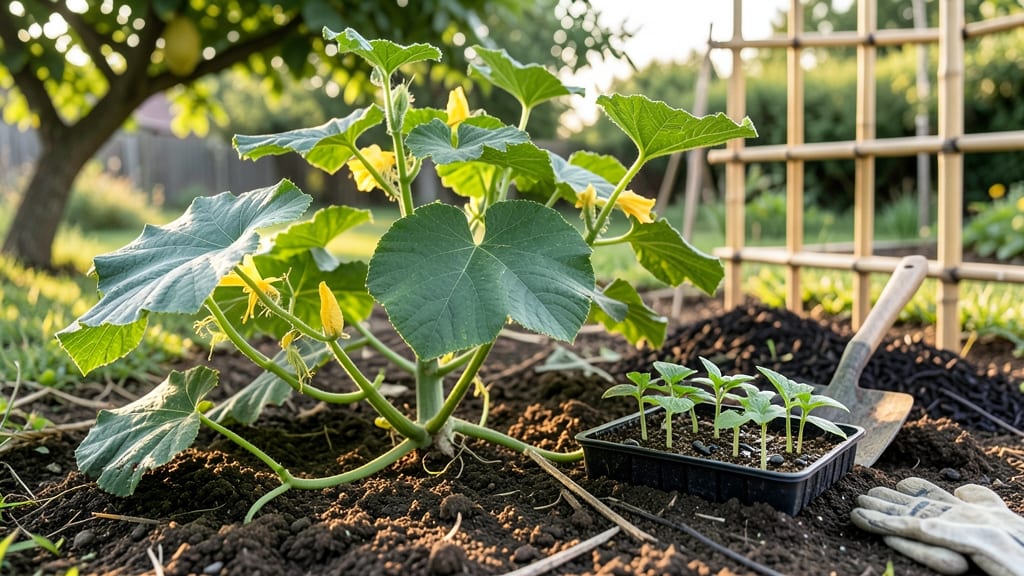
If you’ve ever wondered when to plant cucumbers in Zone 7a, you’re not alone—getting the timing right is everything. Plant too early, and frost will zap your seedlings; too late, and you’ll miss the sweet spot for a summer-long harvest.
The difference between a garden overflowing with crisp cucumbers and one that barely produces lies in those critical weeks before your last frost.
For gardeners in Zone 7a, where last frosts typically arrive between mid-March and mid-April, the ideal window to plant cucumbers is mid-April to early June. But here’s the catch: soil temperature matters just as much as frost dates.
Cucumbers need warm soil—at least 60°F—to germinate properly, which usually means waiting until late April or early May in most of the zone. Skip this step, and you’ll end up with slow, stunted plants that struggle to produce.
I’ve learned the hard way that rushing cucumbers into the ground too soon leads to disappointment, but with the right approach, you can extend your harvest well into September.
Whether you’re direct-sowing seeds or transplanting seedlings, this guide will help you pinpoint the exact timing for your specific microclimate in Zone 7a. Let’s make sure your 🥒 cucumbers get the head start they deserve.
Beyond the basics, I’ll share pro tips for succession planting, protecting your plants from late-season pests, and even how to push your harvest a little later in the year.
By the end, you’ll know exactly when to plant—and how to keep your cucumbers thriving until the first frost. Ready to grow like a pro?

Exact weeks before last frost to plant cucumbers in Zone 7a for maximum yield
Cucumbers thrive in Zone 7a when planted after the last frost date (typically March 15–April 15), but timing is everything. Planting too early risks frost damage or slow growth, while waiting too long can shorten your harvest window.
The key is balancing soil temperature (60°F+) and frost-free days (aim for at least 165 days to harvest).
Most gardeners in Zone 7a start cucumbers 2–4 weeks after the last frost, but this varies by microclimate. For example, areas like Charlottesville, VA, can plant as early as mid-April, while Chattanooga, TN, may need to wait until early May.
Always check your local frost maps for precision.
Here’s the golden rule: Never plant cucumbers outdoors until soil temperatures hit 60°F. Cold soil slows germination and weakens seedlings. Use a soil thermometer to confirm—if it’s below 60°F, wait a few more days or start seeds indoors 4–6 weeks before transplanting (early March).
Direct sowing is the most common method for cucumbers, but transplanting seedlings (purchased or home-started) can give you a 2–3 week head start. If you choose this route, harden off seedlings for 7–10 days before setting them out after the frost date.
This reduces transplant shock and speeds up recovery.
For maximum yield, plan to harvest cucumbers between June and September. This means starting seeds or transplants by early June at the latest—any later, and you risk bitter fruit or powdery mildew as temperatures drop in fall.
Succession planting (every 2–3 weeks) can stretch your harvest, but we’ll cover that in the next section.
| Stage | Action | Notes |
|---|---|---|
| Soil Prep | Test soil pH (6.0–6.8) | Add compost for fertility |
| Planting Window | 2–4 weeks after last frost | Avoid planting before May 1 in most of Zone 7a |
| Soil Temp | Minimum 60°F | Use black plastic mulch to warm soil faster |
| Seed Depth | 1 inch deep | Plant 3–4 seeds per hill, thin to 2 |
| Sunlight | 6–8+ hours daily | South-facing spots are ideal |
If you’re unsure about your exact last frost date, use the USDA Plant Hardiness Zone Map and cross-reference with local weather records. For example, Richmond, VA, averages a last frost around April 1, while Nashville, TN, often waits until April 15.
Planting 2 weeks after your local average gives a buffer for late frosts.
Pro tip: Black plastic mulch can warm soil by 5–10°F, letting you plant 1–2 weeks earlier in Zone 7a. Lay it down 1–2 weeks before planting to speed up soil warming and suppress weeds. Just
For container growing, start seeds indoors by late March and transplant after frost. Use 5-gallon pots or larger—cucumbers have shallow but sprawling roots and need space. Place containers in full sun and water daily during heatwaves to prevent stress.
Finally, choose the right varieties for Zone 7a’s hot summers. Heat-tolerant types like ‘Straight Eight’, ‘Marketmore’, or ‘Lemon Cucumber’ thrive in 85°F+ temperatures, while ‘Armenian’ cucumbers handle slight heat better than standard slicing types.
Always check days to maturity—aim for varieties that mature in 50–60 days to fit your growing season.
How to extend your cucumber harvest in Zone 7a: succession planting and late-season tips
Zone 7a’s short growing season doesn’t mean you’re limited to a single cucumber harvest. With smart strategies, you can enjoy fresh cucumbers from early summer through late August—or even longer with the right techniques. The key? Succession planting and protecting your plants from early fall frosts.
Most gardeners in Zone 7a make the mistake of planting all their cucumbers at once, leading to a short harvest window of just 4–6 weeks. Instead, I’ve found that planting in 2–3 waves (every 2 weeks) keeps my vineyards producing for months.
Start your first batch in mid-April, then follow up in early May and late May for a staggered harvest.
For late-season success, choose heat-tolerant varieties like ‘Straight Eight’ or ‘Lemon Cucumber,’ which handle Zone 7a’s late-summer heat better than standard types. These varieties also resist powdery mildew, a common issue when nights cool down in September.
Wave 1: Mid-April (after last frost)
Wave 2: Early May (for peak summer harvest)
Wave 3: Late May (to extend into August)
Use row covers to shield plants from light frosts (down to 28°F)
Choose compact varieties for containers if space is limited
Add compost to improve soil fertility before Wave 3
Test soil pH (6.0–6.8) for optimal nutrient uptake
Pick every 2–3 days to encourage continuous production
Harvest by late September to avoid bitter fruit from cool nights
One common pitfall is planting too late in Zone 7a, which can lead to stunted growth or bitter-tasting cucumbers. If you’re pushing your last planting to early June, monitor your plants closely. Use a thermometer to ensure soil stays above 60°F—cucumbers won’t germinate well in cooler conditions.
For container growers, dwarf varieties like ‘Bush Champion’ are perfect for extending the season. I’ve had success keeping potted cucumbers producing until mid-October by moving them to a sunny patio during the day and bringing them indoors at night when temperatures drop below 50°F.
Remember, cucumbers are 95% water, so keep soil consistently moist—especially during Zone 7a’s hot, dry summers. Mulch with straw to retain moisture and reduce weeds, which compete for nutrients your plants need to thrive.