
Planting
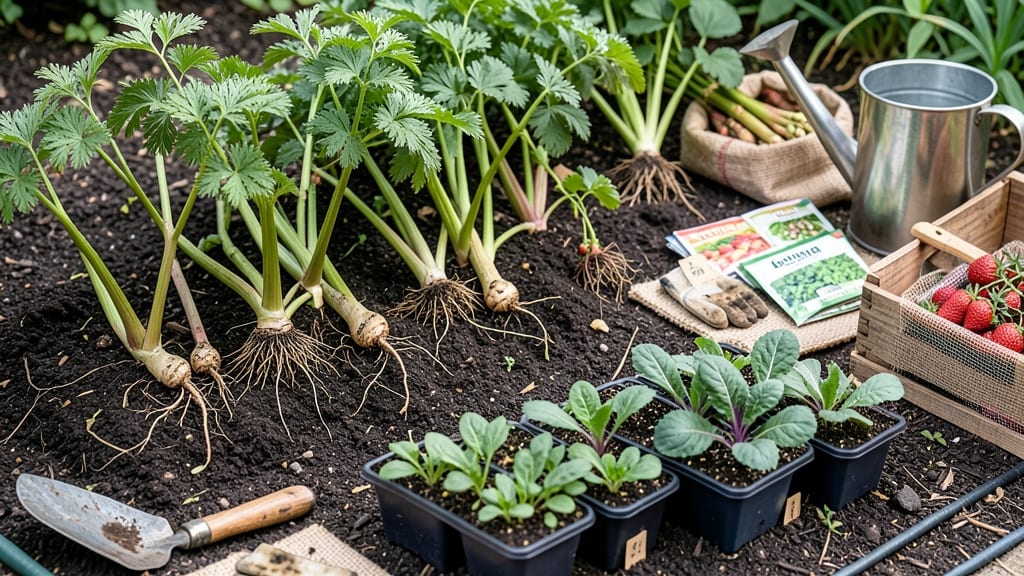
Timing your garden in Minnesota isn’t just about luck—it’s about knowing when to plant a garden in Minnesota to beat the short growing season and frost. With USDA Zone 3a-5b winters and unpredictable spring thaws, one wrong move can mean lost seeds or stunted growth.
The difference between a thriving 🌱 garden and a struggle lies in those critical planting windows: late April to mid-June for spring crops, and early August to September for fall harvests.
Let’s cut through the guesswork. I’ve broken down the exact deadlines for cool-season and warm-season plants, so you can avoid common mistakes like planting too early or missing the last frost window.
Whether you’re growing hardy kale in Zone 4b or heat-loving tomatoes, these strategies will help you maximize your harvest before the first frost hits in October.
Ready to turn your Minnesota garden into a productivity powerhouse? You’ll learn how to adjust for regional differences, extend your growing season, and choose the right varieties for your zone. No more wasted effort—just a bountiful harvest that makes the most of Minnesota’s brief but rewarding growing season.
Let’s get started—your garden’s success begins with the right timing.
Minnesota planting deadlines by crop type (Zone 4b guide)
Minnesota’s USDA Zone 4b climate means your planting schedule hinges on last frost dates, which typically fall between May 10–20 in most regions. Southern Minnesota (like the Twin Cities) often enjoys a 1–2 week earlier window than northern areas (e.g., Duluth), so adjust accordingly.
For cool-season crops, start seeds indoors 4–6 weeks before your last frost date, while warm-season crops like tomatoes and peppers need to wait until soil temperatures hit 50°F+—usually 2–3 weeks after frost.
Northern Minnesota’s shorter season (only 120–140 frost-free days) demands extra caution. Prioritize fast-maturing varieties (e.g., bush beans, radishes) and plan for succession planting to stretch harvests. Southern Minnesota gardeners gain 10–15 extra days of warmth, allowing for later plantings of cucumbers or squash.
Here’s your Minnesota planting timeline broken down by crop type, with regional adjustments for Zone 4a/4b:
| Crop Type | Planting Window (Zone 4b) | Northern MN Adjustment | Key Notes |
|---|---|---|---|
| Cool-Season Veggies (Lettuce, Spinach, Kale) | March–April (indoors) or April–May (direct sow) | Wait until May 15+ | Bolt-resistant varieties; mulch to retain moisture. |
| Warm-Season Veggies (Tomatoes, Peppers, Corn) | May 20–June 1 (after frost) | June 1–10 for northern areas | Use black plastic mulch to warm soil faster. |
| Root Crops (Carrots, Beets, Potatoes) | April–May (direct sow) | Wait until May 10+ | Loosen soil to prevent forking; plant early for harvest before summer heat. |
| Flowers (Marigolds, Zinnias, Sunflowers) | May 1–June 15 | June 1–30 for northern regions | Sunflowers tolerate cold better; start seeds early. |
| Fall Crops (Kale, Radishes, Spinach) | August 1–September 15 | August 15+ for northern areas | Avoid planting after September 1 for harvest before frost. |
For herbs like basil and cilantro, time plantings carefully: cilantro bolts in heat, while basil thrives in warmth. Start basil indoors in early April and transplant after last frost, but protect it from late spring frosts with row covers.
Cilantro, meanwhile, should be sown in early spring or late summer for a fall harvest.
Southern Minnesota’s longer growing season (up to 165 frost-free days) allows for two tomato plantings: one in early May and another in late June. Northern gardeners should stick to one early planting of determinate varieties (e.g., Roma, Celebrity) that ripen faster.
Always check seed packets for days to maturity—aim for varieties that reach harvest before your first frost.
Pro tip: Use frost dates from local almanacs (like the Old Farmer’s Almanac) for hyper-local precision. For example, Duluth’s last frost averages May 25, while the Twin Cities see frost-free conditions by May 15. Adjust your schedule accordingly to avoid frost damage to tender seedlings.
If you’re new to Minnesota gardening, start small with cold-hardy crops like peas or spinach to build confidence. These tolerate light frosts and give you a quick harvest while you learn your microclimate.
Pair them with slow-growing perennials like asparagus (which takes 2–3 years to establish) to diversify your garden’s timeline.
Remember: Soil temperature matters more than air temperature. Use a soil thermometer to confirm 50°F+ for warm-season crops. Cold soil delays germination and stresses seedlings. If your soil is still chilly in May, opt for cool-season crops or use black plastic mulch to warm it faster.
Finally, keep a garden journal to track your frost dates and planting successes. Note when unexpected late frosts occur—this helps you adjust future plantings.
For instance, if you planted tomatoes on May 10 and a May 25 frost hit, you’ll know to delay next year’s planting or use row covers for protection.
How to extend Minnesota’s growing season for late plantings
Minnesota’s short 120-165 frost-free days can feel like a race against time, but with the right strategies, you can push your harvests well into fall. I’ve tested these techniques in my own Zone 4b garden—some extend seasons by 3-4 weeks or more.
The key is combining seasonal protection with smart variety selection.
Start with row covers or floating row covers (lightweight fabric) to trap heat and shield plants from light frosts. These work wonders for cool-season crops like spinach and kale planted in early August.
I’ve seen lettuce thrive under covers until early November when temperatures stay above 25°F. For warmer crops like tomatoes, use black plastic mulch to warm soil faster and hold heat longer.
- 📅 Succession Planting: Sow fast-growing crops like radishes or bush beans every 2 weeks from May through July for continuous harvests.
- 🔥 Cold Frames: Use clear plastic or glass boxes to create microclimates—ideal for hardy greens and herbs like parsley until December.
- 🌡️ Heat-Tolerant Varieties: Choose heat-resistant tomatoes (e.g., 'Heatmaster') or peppers (e.g., 'Carolina Wonder') that thrive in 85°F+ temps.
- 🌿 Low Tunnels: Bend PVC pipes over rows and cover with agricultural fabric to create a greenhouse effect—extends harvests by 4-6 weeks for broccoli and cauliflower.
- 🌱 Overwintering: Protect perennials like asparagus and rhubarb with straw mulch (12+ inches) to survive Zone 4b winters and produce earlier next spring.
Don’t overlook soil preparation—warm soil is just as critical as air temperature. I till in compost and black plastic mulch in late April to raise soil temps 5-10°F faster than untreated beds.
For late plantings, use a soil thermometer to ensure temps hit 55°F for warm-season crops like peppers and eggplants.
Timing is everything with fall planting. Aim to sow cool-season crops (spinach, kale, carrots) by August 15 for harvests before hard frost. For warm-season holdovers (tomatoes, peppers), transplant by July 1 and use row covers to protect until September 15.
My bush beans planted in early July still produced pods in mid-October under covers!
Even with extensions, first frost dates (typically October 10-20) signal the end. Prioritize fast-maturing varieties (e.g., 'Early Girl' tomatoes—60 days to harvest) and harvest before frost hits. For perennials, cut back dead foliage in late fall but leave 3-4 inches of stems to protect crowns from freezing.
With these strategies, I’ve turned Minnesota’s brief summer into a near-year-round harvest. The secret? Start early, protect strategically, and choose the right varieties for your microclimate. Your garden’s potential isn’t limited by frost dates—it’s limited only by what you’re willing to try! 🌿