
Planting
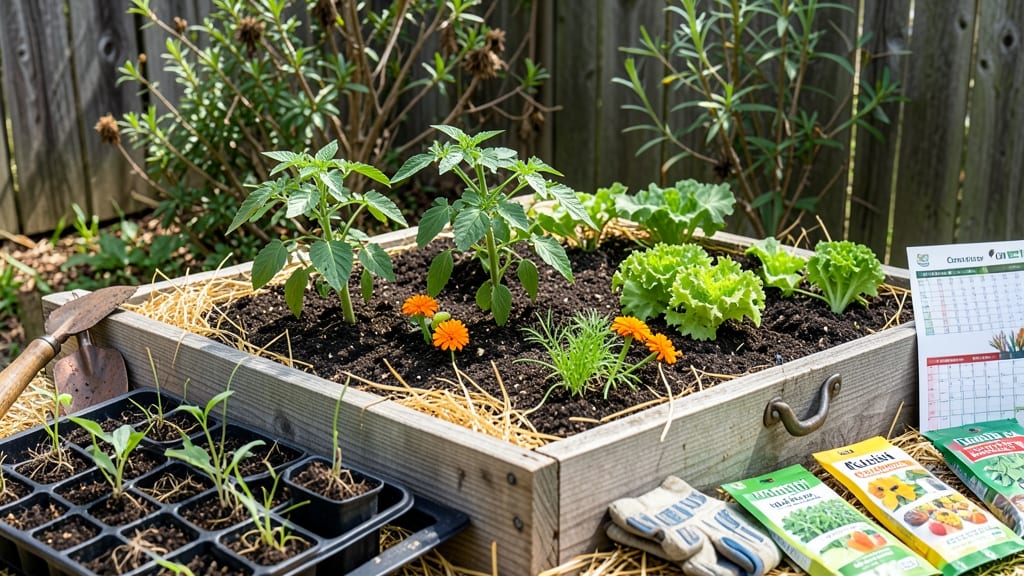
Timing your garden planting in Virginia isn’t just about throwing seeds into the dirt—it’s the difference between a bountiful harvest and a sad, wilted disappointment.
With USDA Zones 4 through 8 across the state, your neighbors’ planting schedule might not work for you, and getting it wrong could mean struggling with pests, stunted growth, or wasted seeds.
But here’s the good news: when you plant at the perfect moment, you’ll enjoy tomatoes so sweet they burst off the vine, crisp beans straight from the garden, and herbs so flavorful they’ll make your meals taste like a five-star restaurant.
The key lies in understanding your specific zone, adjusting for microclimates, and knowing exactly when to start seeds indoors or set plants directly into the soil.
Whether you’re a first-time gardener or a seasoned pro, I’ll walk you through the exact dates for cool-season crops like lettuce and spinach, warm-season favorites like peppers and squash, and even how to extend your growing season to squeeze in extra harvests.
Let’s get your Virginia garden on the right track—so you can enjoy fresh, homegrown goodness all season long.
From frost dates to soil prep and regional tweaks, you’ll learn how to fine-tune your planting strategy for your exact location, whether you’re in the Coastal Plain, Piedmont, or the mountains. Ready to turn your garden dreams into reality? Let’s dig in.
Virginia planting calendar by USDA Zone: exact dates for cool-season vs. warm-season crops
Virginia’s USDA Zones 4–8 create a patchwork of planting opportunities, but timing is everything. In Zone 4 (mountains), last spring frosts can linger until May 15–June 1, while Zone 8 (coastal) gardeners may start cool-season crops as early as February 15.
Warm-season crops like tomatoes and peppers need soil temps above 60°F, typically by April 15–May 1 in most zones.
Cool-season crops—think lettuce, spinach, and peas—thrive when soil temps stay below 75°F. In Zone 5 (Piedmont), plant these by March 15–April 15 for a spring harvest, or again in August–September for fall.
Warm-season stars like squash and beans demand warmer soil, so wait until after May 10 in most regions.
First frost dates vary wildly: Zone 4 faces frost by October 15–November 1, while Zone 8 may hold off until December 1. Plan accordingly—kale and radishes can handle light frosts, but basil and eggplants need protection or early harvests.
| Zone | Last Spring Frost | First Fall Frost | Cool-Season Planting | Warm-Season Planting |
|---|---|---|---|---|
| 4 (Mountains) | May 15–June 1 | October 15–November 1 | March 1–April 15 | June 1–June 15 |
| 5 (Piedmont) | April 15–May 1 | November 1–November 15 | February 15–March 30 | May 1–May 15 |
| 6 (Central) | March 15–April 1 | November 15–December 1 | January 15–February 28 | April 15–April 30 |
| 7 (Tidewater) | February 28–March 15 | December 1–December 15 | January 1–February 15 | March 15–March 30 |
| 8 (Coastal) | February 15–February 28 | December 15–January 1 | December 1–January 31 | February 15–March 15 |
For Zone 5–7, aim to plant warm-season crops 2–3 weeks before your last frost date. Use a soil thermometer—warm-season plants need soil at 60°F+ for 2 weeks straight. In Zone 4, extend your season with row covers or start seeds indoors 6–8 weeks early.
Pro tip: Succession planting works wonders in Virginia. After harvesting early bush beans in June, replant with carrots or lettuce for a fall crop. This keeps your garden productive from spring to frost.
Don’t overlook fall planting! In Zone 6–8, sow spinach and radishes as early as August 1 for harvests before winter. Use straw mulch to protect roots from freeze-thaw cycles.
Missed the spring window? No problem. Zone 7–8 gardeners can plant warm-season crops again in July–August for a late harvest. Just choose fast-maturing varieties (e.g., bush beans in 50 days vs. pole beans in 70).
Track your local frost dates using the NOAA Climate Data tool or your county’s Cooperative Extension Service. These resources adjust for microclimates—like urban heat islands or sheltered valleys—that can shift frost dates by 1–2 weeks.
Remember: Soil prep is key. Work in compost 4–6 weeks before planting to warm soil faster. In Zone 4–5, add black plastic mulch in early spring to accelerate soil warming by 5–10°F.
Start with these zone-specific deadlines, and your Virginia garden will thrive—no wasted seeds or bolted lettuce in sight! 🌱
How to adjust planting times for Virginia’s microclimates: Coastal vs. Piedmont vs. mountain regions
Virginia’s microclimates can make all the difference between a thriving garden and a failed one. While the state spans USDA Zones 4–8, your specific location—whether in the Coastal Plain, Piedmont, or Mountains—dictates when to plant.
Coastal areas like Norfolk (Zone 8) enjoy earlier last frost dates (around March 15), while mountain regions like Roanoke (Zone 6–7) may not see their last frost until April 15 or later. These differences mean your neighbor’s planting schedule might not work for you.
Elevation plays a huge role. For every 1,000 feet you climb, temperatures drop by about 3–5°F, delaying soil warming and pushing back planting windows. Humidity also varies: Coastal areas stay moist longer in spring, while Piedmont regions dry out faster, requiring earlier watering.
Even soil warmth differs—Coastal soils heat up quicker, while mountain soils stay cooler for weeks longer.
To fine-tune your schedule, use a soil thermometer ($15–$20) to check when soil reaches 60°F for warm-season crops like tomatoes and peppers. Coastal gardeners can plant 2–3 weeks earlier than Piedmont growers, while mountain gardeners should wait until after May 1 for most warm-season plants.
For example, in Zone 7 (common in Piedmont), plant tomatoes after April 20, but in Zone 4 (mountains), wait until May 15.
| Region | USDA Zone | Last Frost Date | First Planting (Cool-Season) | Warm-Season Ready |
|---|---|---|---|---|
| Coastal Plain | 8 | March 15 | Late Feb–March | April 1–15 |
| Piedmont | 6–7 | April 1–15 | March–April | April 20–May 1 |
| Mountains | 4–5 | May 1–15 | April–May | May 15–June 1 |
Another trick? Observe local wildflowers and trees. When redbud trees bloom (late March–April in Piedmont), it’s safe to plant peas and lettuce. When dogwoods flower (May in mountains), warm-season crops like cucumbers are ready. These natural cues adjust for microclimate quirks better than a calendar ever could.
For mountain gardeners, extend your season with row covers or cold frames to protect early plantings. In Coastal areas, watch for humidity-related diseases like powdery mildew—space plants wider and improve airflow.
Piedmont gardeners should focus on soil moisture retention, as summer droughts are common. No matter your zone, succession planting (sowing new seeds every 2 weeks) maximizes yields by keeping harvests continuous.
Pro tip: Use the NOAA Frost Calculator (free online) to input your exact ZIP code for hyper-local frost dates. Combine this with your region’s guidelines, and you’ll plant with confidence, avoiding the guesswork that leads to wasted seeds or stunted plants.
With these adjustments, your Virginia garden will thrive—no matter where you live in the state. 🌱